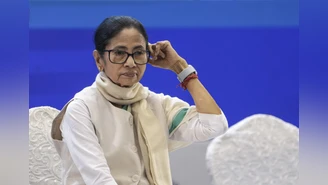
In a dramatic escalation of the ongoing electoral roll revision controversy, West Bengal Chief Minister Mamata Banerjee has formally urged Chief Election Commissioner (CEC) Gyanesh Kumar to immediately halt the Special Intensive Revision (SIR) of electoral rolls in the state, warning that the controversial exercise could lead to mass disenfranchisement and strike at the core of Indian democracy.
In a sharply worded letter dated January 3, 2026 — her third in under two months — Banerjee described the SIR as “unplanned, arbitrary and ad hoc,” asserting that it has been marred by procedural violations, administrative lapses, and unreliable technical systems. The Chief Minister’s intervention comes against the backdrop of fierce political debate as West Bengal gears up for the 2026 Legislative Assembly elections, where electoral integrity remains a pivotal issue.
What Is SIR and Why Does It Matter?
The Special Intensive Revision (SIR) is a nationwide exercise initiated by the Election Commission of India (ECI) to update and cleanse voter lists — aiming to include eligible citizens while removing duplicate or ineligible entries. Launched in late 2025, it covers multiple states including West Bengal and is part of democratic preparations ahead of state and national elections.
However, Banerjee’s criticism focuses on how the process has been implemented in Bengal, alleging that haste and lack of preparation have compromised its credibility. She contends that procedural glitches — including defective IT infrastructure, inconsistent instructions, and insufficient training of electoral officials — have eroded public confidence in what is constitutionally a sensitive exercise.
Key Grievances Highlighted by Mamata Banerjee
Mamata’s letter to the CEC outlines several specific criticisms of the SIR process:
- Administrative Irregularities: Alleged procedural violations and lack of uniform training, risking erroneous voter deletions.
- Faulty Technical Systems: Banerjee says the IT mechanisms used for data processing are unstable, error‑prone, and unreliable.
- Inconsistent Instructions: Critical guidelines are reportedly disseminated informally via WhatsApp rather than through statutory orders, raising due process concerns.
- Threat to Democracy: The CM warned that if unresolved, the SIR could inflict “irreparable damage” and disenfranchise eligible voters.
In her appeal to the Election Commission, Banerjee urged immediate corrective action to address these flaws and, if unresolved, to suspend the revision exercise to preserve democratic integrity.
Political Repercussions and Counter‑Arguments
The controversy has ignited a broader political firestorm in West Bengal. Leader of Opposition Suvendu Adhikari has hit back, accusing Banerjee of politically motivated distortion and calling her claims “pure fiction” designed to undermine the Election Commission. Adhikari argues the SIR is a legitimate, meticulously planned effort to purge duplicate and fraudulent entries from the voter list.
This clash underscores the intensity of electoral politics in the state, particularly ahead of the pending assembly poll. With both ruling and opposition blocs leveraging the SIR debate to defend their positions, voter confidence and public perception of electoral fairness have taken center stage.
Looking Ahead: Democracy Under Scrutiny
As the 2026 West Bengal elections approach, the battle over the SIR process reflects larger anxieties surrounding electoral fairness and governance transparency. The Election Commission’s response to Mamata Banerjee’s letter — whether to modify procedures, pause the exercise, or continue as planned — will likely influence public trust and political narratives in the coming weeks.
While the SIR aims to modernize and safeguard the voter register, its present controversy highlights how sensitive electoral reforms can become flashpoints in India’s vibrant democratic landscape.