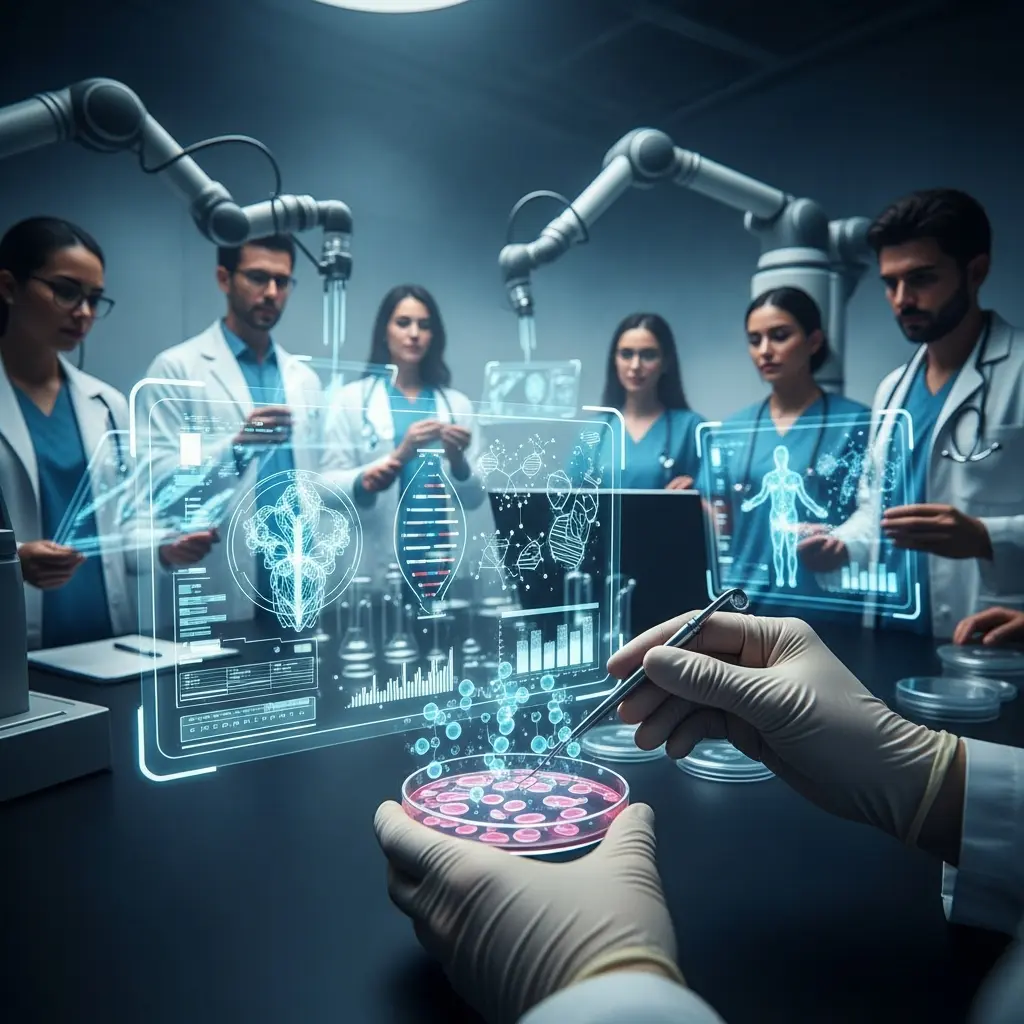
A New Era of Smarter Diagnostics
One of the most impactful changes in recent years has been in diagnostics. Early and accurate detection has always been the cornerstone of effective treatment, but traditional methods often came with delays or limitations.
Today, advanced imaging tools, genetic testing, and AI-powered diagnostic systems are enabling doctors to identify diseases much earlier than before. Conditions like cancer, heart disease, and neurological disorders can now be detected at stages where treatment is far more effective.
This leap in treatment advancements is saving lives by turning what were once late-stage diagnoses into manageable conditions. For patients, it means less uncertainty and more timely care. For doctors, it means better decision-making backed by data and precision.
The Rise of AI in Healthcare
Perhaps the most talked-about development in recent years is the growing role of AI in healthcare. Artificial intelligence is no longer a futuristic concept—it is actively assisting doctors, researchers, and healthcare providers in real-time.
AI systems can analyze vast amounts of medical data within seconds, identifying patterns that might take humans much longer to recognize. From predicting disease risks to recommending treatment plans, AI is becoming an indispensable tool.
For example, AI-powered platforms are being used to read medical scans, detect abnormalities, and even assist in surgeries. In many cases, these systems enhance accuracy and reduce the chances of human error.
But beyond efficiency, AI is also improving accessibility. In regions where medical specialists are scarce, AI tools can help bridge the gap, bringing quality care to underserved populations. This is a significant step forward for global health, where disparities in access remain a major challenge.
Personalized Medicine: Treating the Individual, Not Just the Disease
Another major breakthrough in medical innovation is the rise of personalized medicine. Traditionally, treatments were designed for large groups of people, often overlooking individual differences in genetics, lifestyle, and environment.
Today, that approach is changing. With advancements in genomics and biotechnology, doctors can tailor treatments specifically to an individual’s genetic makeup. This means therapies are not only more effective but also come with fewer side effects.
For instance, in cancer treatment, targeted therapies can now attack specific mutations within a tumor, rather than affecting the entire body. This level of precision marks a significant shift in treatment advancements, offering patients better outcomes and improved quality of life.
Personalized medicine is also playing a role in preventive care. By understanding a person’s genetic risks, healthcare providers can recommend lifestyle changes or early interventions long before a disease develops.
Digital Health and Remote Care
The integration of digital tools into healthcare has further accelerated this transformation. Telemedicine, wearable devices, and mobile health apps are making it easier for patients to stay connected with their healthcare providers.
Wearable technology, for example, can monitor heart rate, sleep patterns, and physical activity in real time. This continuous flow of data allows for early detection of potential health issues and more proactive care.
Telemedicine, on the other hand, has made healthcare more accessible than ever. Patients can consult doctors from the comfort of their homes, reducing the need for travel and long waiting times. This is especially beneficial in rural or remote areas, where access to healthcare facilities may be limited.
These innovations in healthcare technology are not just about convenience—they are about creating a more responsive and patient-centered healthcare system.
Transforming Global Health Systems
The impact of these advancements extends far beyond individual patients. On a larger scale, they are reshaping entire healthcare systems and improving global health outcomes.
Countries are increasingly adopting digital health infrastructure, investing in research, and collaborating across borders to tackle complex health challenges. From managing pandemics to addressing chronic diseases, technology is playing a crucial role in building more resilient healthcare systems.
Moreover, data-driven insights are helping policymakers make informed decisions. By analyzing trends and outcomes, governments can allocate resources more effectively and design better public health strategies.
Challenges and the Road Ahead
While the progress is remarkable, it is not without challenges. Issues such as data privacy, ethical concerns, and the high cost of advanced treatments need to be addressed. Ensuring that these innovations are accessible to all—not just a privileged few—is essential for achieving true equity in healthcare.
There is also a need for continuous training and adaptation. As technology evolves, healthcare professionals must stay updated to effectively use these tools and integrate them into their practice.