
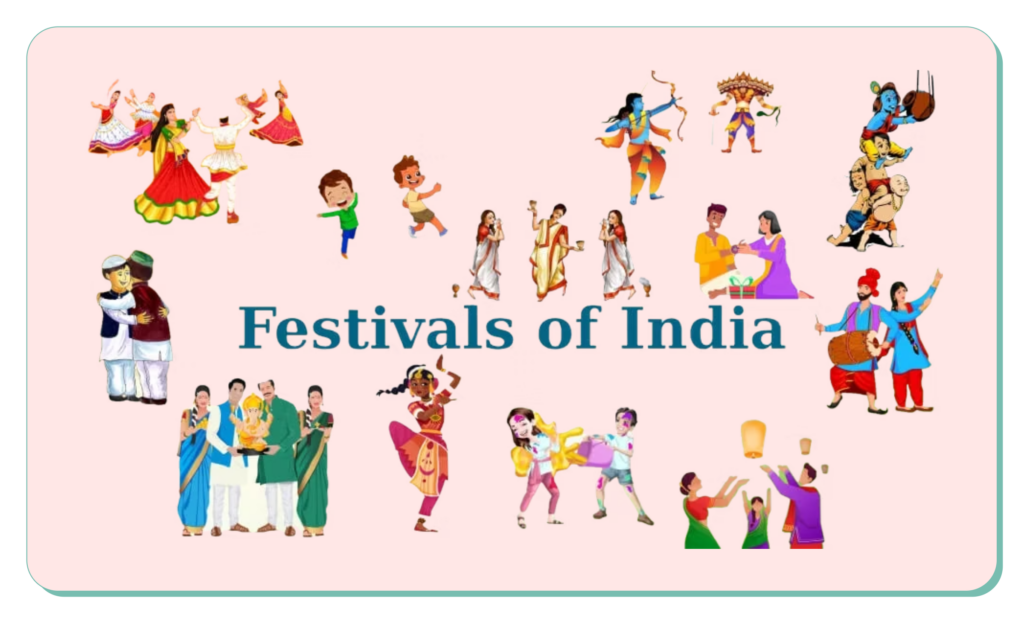
India’s festival calendar has long been a vibrant tapestry of cultural rituals, religious traditions, and community gatherings. However, in recent years the way festivals are celebrated has undergone significant transformation. From eco‑friendly celebrations and digital engagement to fusion fashion and festival‑centred travel, the evolution of Indian festivals is redefining how millions of celebrants engage with heritage. Keywords such as Indian festivals, modern celebrations, eco‑friendly festivals, festival tourism India, and cultural evolution India are increasingly relevant in this changing landscape.
One prominent shift is the growing embrace of eco‑friendly festivals. Many communities are replacing traditional synthetic idols or excessive plastic decorations with biodegradable materials, reducing waste and promoting sustainability. At the same time, the traditional religious core remains, but the outward expression has adapted—for example, in urban settings, larger processions, thematic lighting, and digital installations accompany ritual observances.
Another major trend is the influence of social media, travel, and experience‑driven celebrations. More Indian travellers are organising trips around festivals, both domestically and internationally, spurred by the “fear of missing out” (FOMO) phenomenon. Furthermore, festivals themselves are becoming staged events: a mix of heritage, entertainment, and community festivity. The keyword modern celebrations India captures this shifting dynamic.
Fashion, food, and lifestyle under the festival umbrella are also transforming. The keyword festival fashion India explores how traditional attire like chaniya‑cholis or kurtas are being reinterpreted with contemporary cuts, fabrics, and global influences—especially among younger generations. Meanwhile, food has moved beyond ritual offerings to become a central element of indulgence and cultural identity: communal feasting, street‑food fusion, and themed menus are now part of festival culture.
Regional festivals are also evolving. Consider the example of the nine‑night celebration Navratri in Gujarat and elsewhere: while the devotional Garba dance remains, the experience now includes Friday‑night DJ sessions, LED lighting, themed outfits, and tens of thousands of young participants. Similarly, the once‑simple harvest or seasonal festivals now launch large public fairs, integrate sponsorships, and target social media share‑ability. The keyword festival tourism India is strongly relevant here.
However, this evolution also raises questions about authenticity and purpose. Some observers argue that commercialization and spectacle risk diluting the spiritual or communal substance of festivals. Yet, others contend that adaptation ensures relevance for younger generations while preserving cultural continuity. In either case, the key is balance: retaining tradition while embracing innovation.
In summary, the evolution of Indian festivals in modern times reflects a broader cultural shift: traditions rooted in religion and agriculture are now intersecting with digital connectivity, fashion trends, sustainable practices, and the experience economy. Keywords such as modern Indian festivals, eco‑friendly celebrations, festival tourism India, and cultural evolution India encapsulate the multi‑layered transformation. For communities, organisers, and travellers, the imperative is to navigate this change in a way that honours heritage without remaining static. As India’s festival landscape evolves, it remains a living reflection of how culture adapts to modern life—celebratory, inclusive, and ever‑dynamic.

