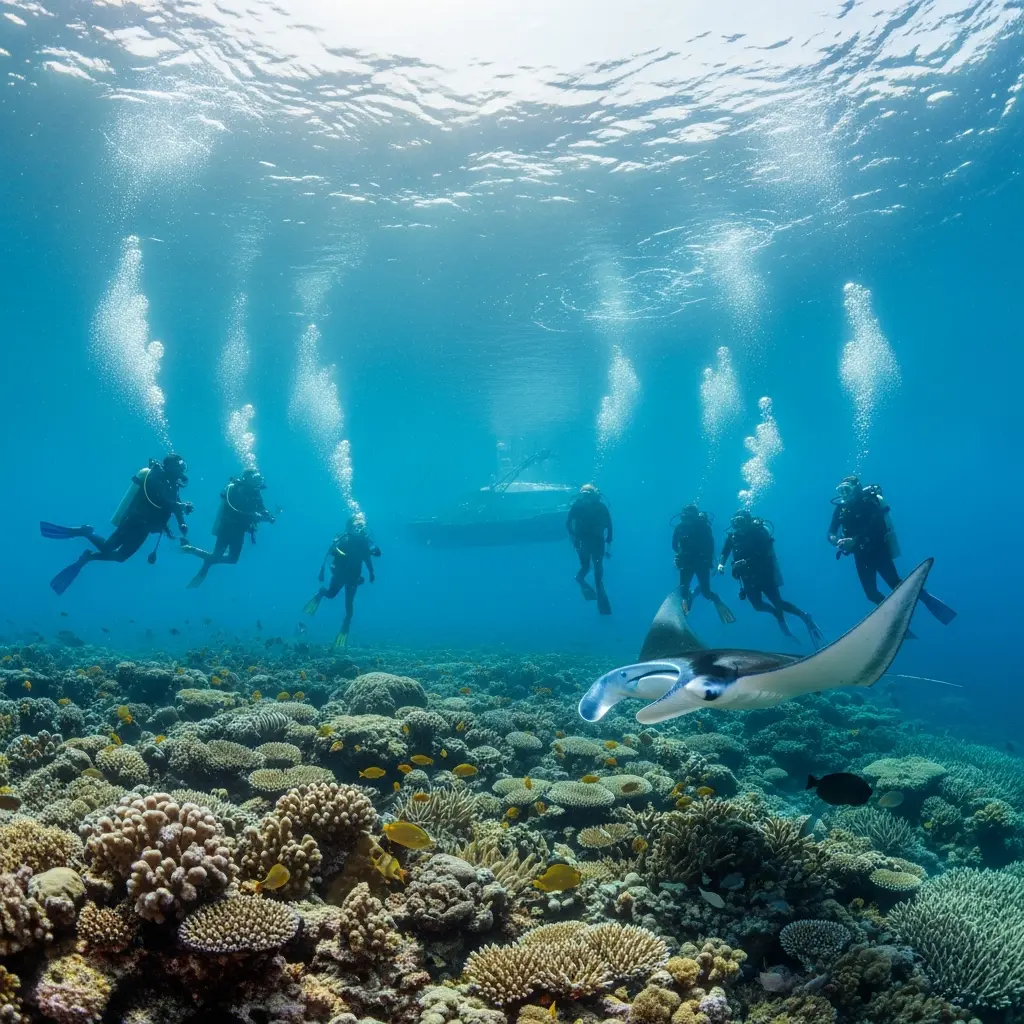
Oceans cover over 70 percent of the Earth’s surface, but for many people they can be easy to forget. Oceans are often viewed as vast and endless, but scientists and environmental experts warn that marine ecosystems are under increasing pressure from pollution, climate change, overfishing and habitat destruction.
Given these challenges, international organizations, governments, researchers, and environmental groups are calling for greater collaboration to protect the marine environment. Global momentum is building for discussions on ocean conservation, sustainable development and the urgent need to preserve marine biodiversity for future generations.
The growing support for ocean protection rests on a simple reality: healthy oceans are vital for a healthy planet.
Why the Oceans Matter Now More than Ever
The oceans are essential for daily life, even for those living hundreds of miles from the coast. They regulate global temperatures, absorb carbon dioxide, produce a large proportion of the world’s oxygen and support millions of jobs in industries such as fishing, tourism, shipping and renewable energy.
Marine ecosystems host a vast array of species, ranging from microscopic organisms to massive whales. This biodiversity helps balance the ecology and sustains food chains that millions of people rely on.
But experts say many marine habitats are under increasing stress. Coral reefs are being damaged by warming waters, plastic waste is still piling up in the oceans and pollution from industrial and urban activities threatens countless species.
With these challenges becoming more apparent, ocean conservation has become a global priority.
The Escalating Menace of Marine Pollution
Pollution is among the most pressing problems threatening the marine environment. Every year, millions of tons of plastic waste are dumped into rivers, seas and oceans. A lot of this debris eventually breaks down into tiny particles called microplastics, which can be consumed by marine life and work their way up the food chain.
Apart from plastic pollution, other problems such as chemical runoff, oil spills, untreated wastewater and industrial waste still affect coastal and marine ecosystems all over the world.
Environmental researchers highlight that pollution can be reduced only through concerted efforts at local, national and international levels. Governments are increasingly considering policies to reduce single-use plastics, improve waste management systems, and promote more sustainable production practices.
While there has been some progress, experts say there’s still a long way to go to fight pollution before long-term damage is beyond repair.
Climate Action and Ocean Health Are Inseparably Linked
The relationship between climate action and the protection of the ocean is becoming increasingly clear. Much of the heat produced by emissions of greenhouse gases is absorbed by the oceans, thereby moderating global temperatures. They are also among the planet’s greatest carbon sinks.
But it has a price.
Higher ocean temperatures are also leading to coral bleaching, changes in fish migration patterns and disruption of marine ecosystems. At the same time, ocean acidification, from the absorption of excess carbon dioxide, is making it harder for some marine organisms to build shells and skeletons.
Scientists say safeguarding the health of the oceans cannot be separated from the broader challenge of tackling climate change. Effective climate action is critical to protect marine ecosystems and mitigate future environmental risks.
As countries formulate strategies to reach climate goals, many are also incorporating ocean initiatives into their long-term sustainability plans.
Saving Biodiversity Below the Surface
People tend to associate biodiversity with forests and wildlife reserves or rare animals on land. Yet some of the world’s richest biodiversity lies under the ocean’s surface.
Marine biodiversity encompasses a multitude of fish, corals, marine mammals, sea turtles and tiny life forms that help create healthy ecosystems. These species are vital for food security, scientific research and economic activities worldwide.
Many marine populations continue to be threatened by habitat destruction, overfishing, pollution and climate related changes.
And conservationists are demanding more marine protected areas, where human activity is limited to allow ecosystems to recover and thrive. These protected areas have been shown to help restore fish stocks and protect vital habitats.
Protecting biodiversity is an environmental imperative, but also an economic necessity for communities that depend on ocean resources, experts say.# Growing a Sustainable Ocean Economy
Talks about sustainability and economic growth are increasingly being heard in the global conversation about ocean conservation. Rather than treating environmental protection and economic development as mutually exclusive priorities, policymakers are seeking ways to achieve both.
The idea of a sustainable ocean economy is about balancing economic opportunities with caring for the environment. Sustainable fisheries, eco-tourism, marine renewable energy and responsible coastal development are often put forward as examples of economic activity that can be compatible with conservation objectives.
Many coastal nations see great potential in developing ocean-based industries while safeguarding marine resources. Governments aim to create jobs, support local communities and preserve ecosystems at the same time through sustainable practices.
This is an emerging approach as countries recognize that long-term prosperity depends on healthy natural systems.# The Need for International Cooperation
Perhaps the most important message to come out of recent discussions is that no country can protect the oceans alone. Marine pollution, climate change and loss of biodiversity cross national borders.
A plastic bottle thrown away in one country may end up washing up on the coast of another. And changes in the temperature of the ocean can have an impact on marine ecosystems thousands of miles away.
This interconnected reality has encouraged more international cooperation. Environmental organizations, scientific bodies and governments are sharing more research, creating joint projects and supporting global agreements to protect marine ecosystems.
Experts say coordinated action is the best chance for making meaningful progress in ocean conservation.## The Future
The rising international commitment to ocean protection is a reflection of a growing understanding of the importance of the oceans to life on Earth. From regulating the climate and supporting biodiversity to offering food and economic opportunities, oceans are central to the planet’s future.
There are reasons to be optimistic, despite the challenges, with the growing attention given to sustainability, climate action and marine conservation. Governments, businesses, scientists and communities are coming to understand that the protection of the marine environment is not only an environmental issue it is a shared global responsibility.
Today’s actions are hoped to help sustain healthy oceans for generations to come, with continued international cooperation. The future of the planet is, after all, inextricably linked to the future of its oceans.