Lead
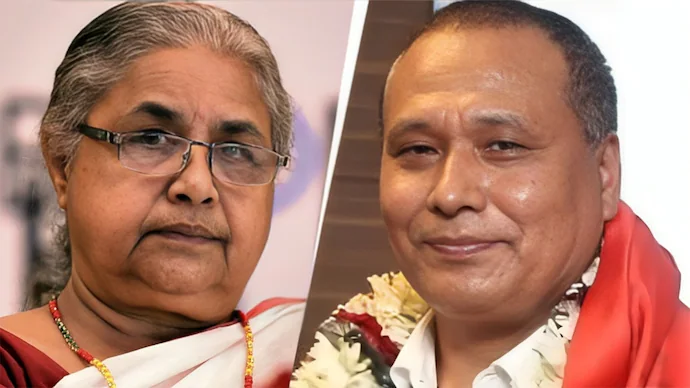
After weeks of demonstrations that forced Prime Minister K.P. Sharma Oli from office, Nepal’s Gen-Z protesters are debating who should guide an interim administration. Two names dominate conversations online and on the streets: former Chief Justice Sushila Karki, admired for her integrity, and former power-sector chief Kulman Ghising, praised for his managerial skills. Each represents a different vision of how to steer the country through a turbulent transition.
Body
Profiles of the Two Figures
Sushila Karki
Nepal’s first female Chief Justice, Karki earned a reputation for standing up to political interference during her tenure on the Supreme Court (2016–2017). Her supporters in the protest movement describe her as an impartial guardian of the constitution and believe her legal background could help ensure a lawful, transparent interim government.
Kulman Ghising
As managing director of the Nepal Electricity Authority, Ghising became a household name by dramatically reducing rolling blackouts and reforming billing practices. Many in the younger generation see him as a practical problem-solver who can deliver measurable results without being tied to party politics.
What Gen-Z Is Looking For
Young demonstrators say their top priorities are honesty, independence from entrenched parties, and a clear plan for rapid elections. They also want a leadership team that includes their own generation in decision-making and prioritises jobs, education, and digital freedom.
Strengths and Potential Drawbacks
- Karki’s Strengths: Symbol of judicial independence; no active party affiliation; moral credibility.
Challenges: Advanced age, limited experience running an executive branch, and possible constitutional hurdles if asked to head a cabinet. - Ghising’s Strengths: Administrative track record; technocratic image; widely respected for ending load-shedding.
Challenges: Some critics worry about politicisation of his reputation and whether a career bureaucrat can manage high-stakes political negotiations.
Divided but Hopeful
Online polls and mass meetings of activists show support for both names, with no clear consensus yet. Protest organisers say they are still developing a mechanism for selecting an interim leader and may put forward a shortlist rather than a single nominee. Both Karki and Ghising have publicly expressed willingness to support a clean, youth-inclusive transition but have not campaigned for the role.
Broader Implications
Analysts note that whichever figure emerges could set a precedent for non-partisan or technocratic leadership in Nepal. A choice for Karki would emphasise the rule of law and symbolic change; a choice for Ghising would highlight managerial competence and service delivery. Either way, observers believe the Gen-Z movement has already reshaped the political conversation by elevating figures known more for ethics and efficiency than for party ties.
Conclusion
Nepal’s young protesters, credited with toppling a sitting prime minister, now face an even harder task: choosing who should guide the country next. Sushila Karki and Kulman Ghising offer contrasting but complementary strengths. How Gen-Z resolves this dilemma will influence not only the next few months of governance but also the longer-term culture of leadership in Nepal.