
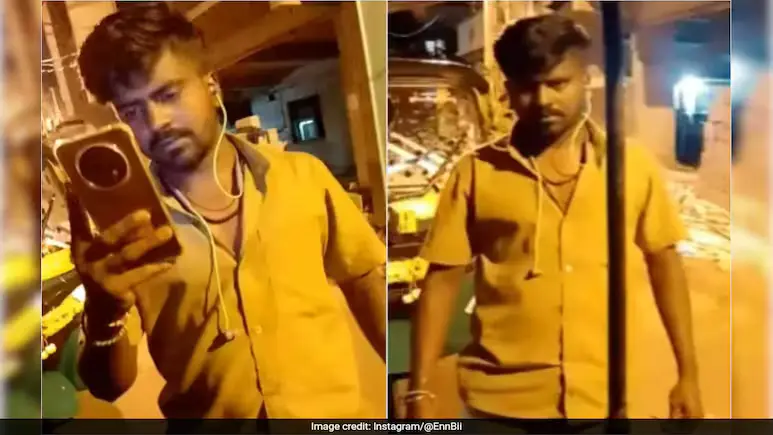
A distressing incident in Bengaluru has spotlighted the challenges faced by individuals from Northeast India in metropolitan cities. A woman from the Northeast region has accused an Uber auto-rickshaw driver of verbal abuse and attempted physical assault, allegedly due to her inability to speak Kannada.
Incident Details:
The woman, identified as Enn Bii, shared a video on social media detailing her ordeal. She recounted that after canceling a ride on October 2, the driver, identified as Pavan HS, confronted her, demanding money and insisting she speak in Kannada—a language she does not understand. The situation escalated when the driver allegedly attempted to hit her and filmed her without consent. The video quickly went viral, drawing widespread attention to issues of regional discrimination and xenophobia in Bengaluru.
Response from Authorities and Uber:
Following the woman’s complaint, Bengaluru police arrested the driver, who is currently in custody at the Kothanur police station. The police have initiated an investigation into the matter.
Uber has issued a public apology, stating that they are taking the incident seriously and are committed to ensuring rider safety and inclusivity. The company has also confirmed that an internal investigation is underway.
Broader Implications:
This incident is not an isolated case. Earlier this year, a woman from Meghalaya reported experiencing racist abuse in Delhi, prompting widespread discussions about regional discrimination.
Experts suggest that such incidents highlight the need for increased awareness and sensitivity towards individuals from Northeast India. Initiatives promoting cultural understanding and language inclusivity are essential to fostering a more harmonious society.
Conclusion:
Enn Bii’s experience underscores the challenges faced by individuals from Northeast India in urban centers. It serves as a stark reminder of the ongoing issues of regional discrimination and the importance of fostering an inclusive environment for all citizens. The responses from the authorities and Uber indicate a commitment to addressing such grievances, but sustained efforts are necessary to combat prejudice and ensure safety for everyone, regardless of their origin.

