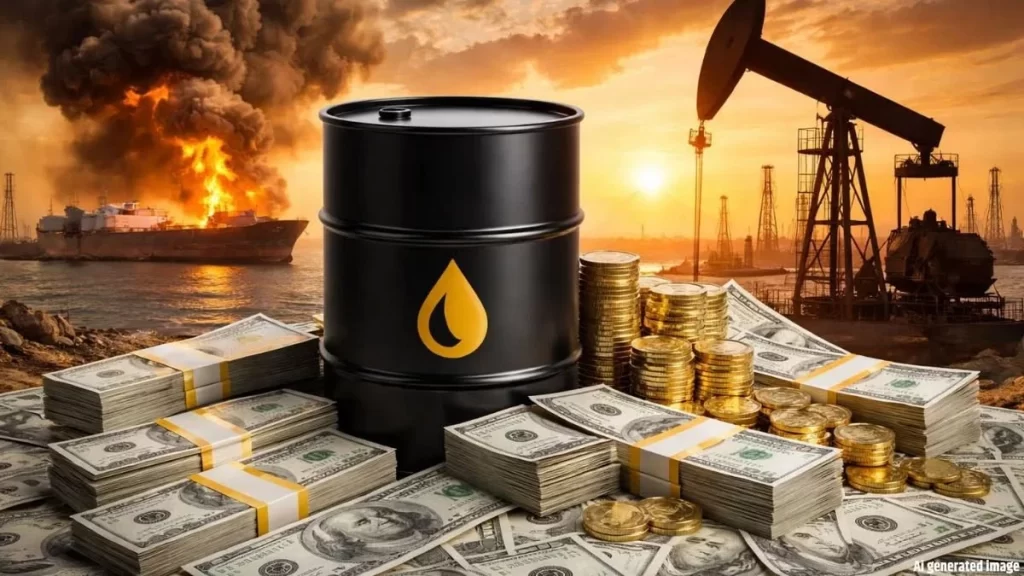
Oil prices have been erratic lately, with new conflicts in major producing countries causing dramatic daily swings. Brent crude was hanging around $114 a barrel in early May 2026. This volatility is not just figures on a screen. It is impacting wallets around the world, from fuel pumps in India to the cost of running a factory in Europe.
The Latest Price Rollercoaster
The crude oil benchmarks are telling a tale of anxiety right now. Brent crude was up 5.20% at $113.79 after falling in the previous session, while WTI was at about $100, down more than 1% in a single session, on May 4. Prices have been volatile in the last month, up around 3-4% overall but with insane intraday changes that have traders glued to their screens.
How is this different than the ups and downs of the past? The OVX index, a measure of predicted volatility in oil futures, has increased, suggesting markets are prepared for additional shocks. Consider this. One headline from the Middle East can send prices up $3-5 in hours. That means common people could see petrol prices in cities such as Mumbai or Delhi pushed up overnight, adding to the strain on household budgets already under pressure.
Geopolitical flashpoints stoking the fires
The primary culprit these days are tensions in the Middle East. With the confrontations with Iran and the US escalating, traders are apprehensive about any disruption in the Strait of Hormuz, through which 20% of the world’s oil passes. Recent fire exchanges there briefly pushed Brent near $120 in March before settling again, but the anxiety remains. About a third of the world’s oil commerce passes through this region and any snags are felt around the world, analysts say.
In Eastern Europe, meanwhile, Ukrainian raids on Russian energy infrastructure add another layer. By early 2026, export ports and refineries were under attack, thwarting Russia’s capacity to export crude despite sanctions workaround. Russia remains a significant producer but export flows have been patchy, prompting purchasers such as India to hunt for alternatives.
Risks to watch for: Blockades of Strait of Hormuz could cut off 20% of world supply.
Russia-Ukraine: Hits obstacles in oil value chain from refineries to ports.
Broader index: Geopolitical risk from Saudi Arabia, Russia, the US and China has a direct bearing on pricing.
These are not isolated incidents. Research indicates that the volatility faced by oil-importing countries bites more than that faced by exporters, turning every tweet or drone attack into market mayhem.
OPEC+ bats down fears of oversupply
OPEC+ is not doing nothing. In late 2025, the Saudi Arabia- and Russia-led group held off on output hikes for Q1 2026 and left quotas unchanged to offset projected surpluses. They added a tiny 137,000 barrels a day in December but supplies are tight overall.
Earlier predictions had signaled a 2-4 million bpd oversupply by early 2026 from non-OPEC growth such as U.S. shale, weighing on prices. But geopolitics changed the game. Now experts have upgraded earnings for key oil firms for 2026 on better margins. The cuts by Saudi and the UAE are helping but lingering concerns about demand from China put the group in a balancing act.
India’s Difficult Position amid the Storm
India has a problem of its own. As Asia’s third-largest oil consumer and the biggest importer, the country spends billions of dollars each month on petroleum. Import prices surged to a high of $156 in March, tripling and inflating the import bill and increasing the current account deficit. S&P Global predicts prolonged averages of $130 might cut 80 basis points off GDP growth in year.
You experience the fuel prices in Nagpur or anywhere else firsthand – more diesel equals greater costs for truckers, and then it’s passed down to food and commodities. India imports 85% of its oil, largely from the Middle East, therefore the risks from Hormuz are a nightmare. Government subsidies on LPG and petrol mitigate the impact but inflation continues to inch up. What does it mean for the typical commuter? Slower wallet healing, more rupees at the pump
Diversification moves accelerate: additional Russian oil via discounts, a drive on biofuel and refinery expansions. But the volatility challenges resilience . Could India move to EVs and renewables faster before the next spike ?
Global Shockwaves, Economic Pressure
High oil is a penalty on growth everywhere. Supply anxieties dominate, while weak China demand curbs upside despite persistent transport recovery. US production reaches record levels but fails to outweigh threats. Energy volatility keeps inflation elevated, but central banks eye cutbacks as inflation cools in some areas
Recent swings in brief:
Benchmark Price May 4 Monthly Change YoY Change
Brent $113.79 +3.66% +88.93% WTI $100.41
-11.11% (down last month)
N/A
Refiners like the bigger fissures, but airlines and manufacturers moan. Policy uncertainty surges in emerging markets like India and Brazil due to oil shocks.
Supply shocks against Demand concerns
Two forces are coming together: Geopolitical supply threats vs slowing demand. Global economic proxies (e.g., GECON) are the best predictors of volatility and link it to activity slowdowns. But cooperation among major manufacturers broke down after 2008, allowing for Chinese demand to impinge on markets.
Prolonged unrest in the Middle East might keep prices at high levels. But if the situation eases, prices could decrease to the $75-$80 range. Models indicate asymmetric linkages – supply shocks raise uncertainty in India, Brazil.
What Is Coming: Peace or Trouble?
De-escalation is the future of oil. If Hormuz stays open and Ukrainian strikes become less frequent surpluses might drag prices lower by late 2026, helping GDP. But there are constant disagreements, which creates higher volatility. $100+ is the new normal.
DIVERSIFICATION IS THE KEY FOR INDIA AND THE WORLD – Ramping renewables, efficiency. Markets will stay volatile but wise investors hedge bets. Will OPEC+-like producers tighten more, or let surpluses win? One thing’s for sure, in this game uncertainty reigns and everyone’s watching the next move.
Oil Prices on Wild Ride: Middle East and Other Geopolitical Storms Leave Markets on Edge