
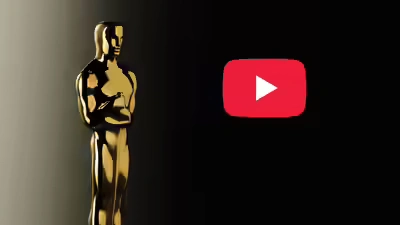
In a landmark transformation for global entertainment, the Academy of Motion Picture Arts and Sciences announced on December 17, 2025, that the Academy Awards—popularly known as the Oscars—will move exclusively to YouTube beginning in 2029. The decision brings an end to a historic broadcasting partnership with ABC that has defined the ceremony’s television presence since 1976, marking one of the most significant shifts in the Oscars’ nearly century-long history.
The move reflects the Academy’s strategic pivot toward digital-first distribution as audience viewing habits rapidly evolve. With traditional television viewership declining and online platforms dominating global media consumption, the Oscars’ transition to YouTube signals a broader reimagining of how premier cultural events reach audiences worldwide.
A Strategic Shift Toward Digital Audiences
According to the Academy, the decision to stream the Oscars exclusively on YouTube is aimed at expanding global reach, engaging younger viewers, and embracing interactive storytelling formats unavailable on linear television. YouTube’s massive user base—spanning more than 100 countries—offers the Oscars an unprecedented opportunity to connect with international audiences in real time.
Key strategic drivers behind the move include:
- Global accessibility without geographic broadcast restrictions
- Real-time audience engagement through live chats, polls, and creator collaborations
- On-demand viewing, allowing audiences to rewatch highlights instantly
- Data-driven insights to better understand viewer behavior and preferences
Industry analysts view this as a calculated response to years of fluctuating ratings and changing media economics, particularly as streaming platforms increasingly dominate awards-season conversations.
End of an Era for ABC
ABC’s five-decade association with the Oscars has been one of the longest-running partnerships in broadcast television history. During this period, the network televised iconic moments—from record-breaking wins to cultural milestones—that shaped popular cinema and global entertainment narratives.
While the Academy has not disclosed financial details, the shift underscores how even legacy media giants are facing pressure from digital platforms that offer scalability, targeted reach, and lower distribution costs.
What the YouTube Era Will Look Like
The Academy has indicated that the YouTube-hosted Oscars will retain the ceremony’s prestige while modernizing its presentation. Planned enhancements reportedly include:
| Feature | Expected Impact |
|---|---|
| Multi-language live streams | Broader international participation |
| Creator-led red carpet coverage | Increased Gen Z and millennial engagement |
| Interactive voting segments | Enhanced audience involvement |
| Short-form highlights | Higher post-event visibility |
This hybrid of tradition and innovation aims to preserve the Oscars’ cultural authority while aligning with contemporary content consumption trends.
Broader Implications for the Entertainment Industry
The Oscars’ move to YouTube sets a powerful precedent for other major live events, including music awards, sports ceremonies, and global cultural broadcasts. It reinforces the growing influence of digital platforms in shaping mainstream entertainment and signals a redefinition of “prime time” in the streaming era.
As the Academy prepares for this transition, the industry will be closely watching whether the digital-only Oscars can deliver both prestige and profitability. If successful, the move could permanently reshape how global audiences experience marquee entertainment events.
In embracing YouTube, the Oscars are not merely changing platforms—they are redefining their future.

