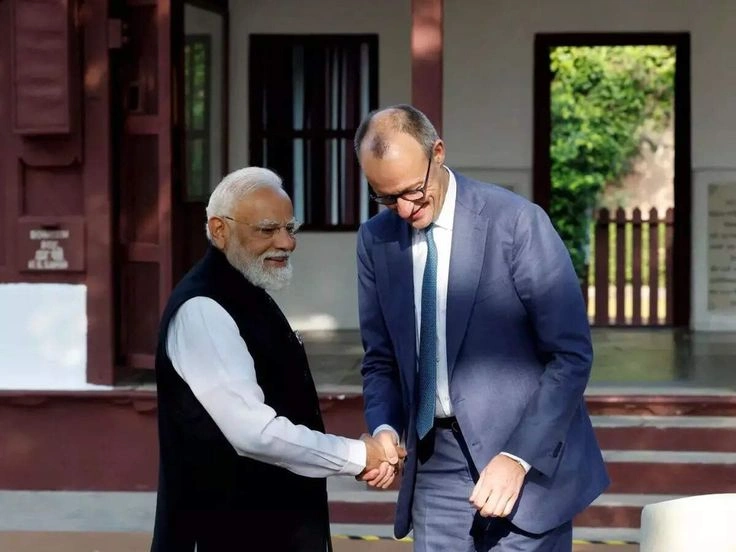
Prime Minister Narendra Modi is set to embark on a crucial four-nation diplomatic tour to Europe in mid-May. The Prime Minister will be on a visit to the Netherlands, Sweden, Norway and Italy from May 15 to May 20, 2026 in a major attempt to enhance India’s influence on the continent. The visit comes in the wake of the major Free Trade Agreement (FTA) negotiated between India and the European Union this past January and is not just regular diplomacy. It is a strategic bid to solidify long-term ties in a more uncertain global context.
A new phase in India-Europe relations
The trip is significant in that it is the Prime Minister’s first major expedition into Europe after the conclusion of what has been nicknamed the “mother of all deals” – the India-EU FTA. The deal, which would allow most Indian exports to the 27-nation bloc to enter tariff-free, has set a new benchmark for economic cooperation. While three of the countries on the itinerary, the Netherlands, Sweden and Italy, are EU members, Norway, a non-EU partner, stands out and underlines the range of the ties India is aiming to develop.
The timing is not accidental. The world economy is grappling with the fallout of regional crises and supply chain realignments, and India is striving to diversify reliance and build reliable growth paths. The diplomatic risks are high but the opportunity for mutual benefit is probably greater. Given the rapid changes in global power relations, is it not reasonable that countries would be looking for more stable and values-compatible partners?
Energy Security Comes to the Fore
If you were to choose a theme that defines this visit, it would be, without a doubt, energy security. India is eager to bolster its energy infrastructure in the aftermath of supply uncertainties, especially those from the continuing West Asia issue. Ensuring stable and inexpensive energy supplies is a key objective for domestic growth. European partners, with their leading technology in renewables and extensive experience in energy transitions, are natural allies in this.
The agenda is likely to include a number of key areas:
Long-term Liquefied Natural Gas (LNG) import contracts to mitigate price volatility.
Partnering on green hydrogen and other renewable energy, in line with India’s ambitious net-zero goals.
Collaborative research on clean energy storage solutions to promote the wider green transformation.
The delegation also intends to secure India’s status as a stable partner in the global energy market, therefore creating a model for stability that is not reliant on the short-term market swings. This transition towards a more sustainable and secure energy future is not merely about keeping the lights on; it is about ensuring that India’s economic trajectory remains uninterrupted in a world that is getting tougher to anticipate.
Technology and Strategic Defense
Besides energy, discussions in each of these four capitals are anticipated to go deep into critical and developing technologies. Particularly Sweden and Netherlands are world leaders in innovation, semiconductor manufacturing and digital infrastructure. Enhancing cooperation in this domain is important not only for India’s “Make in India” ambitions but also for it to be a worldwide manufacturing powerhouse for high-end technologies.
Defense cooperation is another foundation that cannot be disregarded. As India embarks on modernizing its strategic assets, Italy and the other European partners have cutting-edge skills that might be vital to India’s ambition of achieving self-reliance in the defense manufacturing. The aim is a full-fledged relationship where technological transfers, joint research and common security interests build a solid basis for long-term bilateral relations.
The India-Nordic Summit:
The visit will also include the third India-Nordic Summit to be organized in Norway. Originally postponed, the meet gives an opportunity for India to connect with the Nordic region as a bloc. The Nordic countries have a long history of pioneering sustainability, digitization and social welfare models and see India as a large, high-growth market that shares their dedication to democratic ideals and international conventions.
The summit will provide leaders an opportunity to get on the same page on regional developments including the crisis in Ukraine, the Indo-Pacific and the urgent need to overhaul global institutions. India and the Nordic countries can leverage their strengths to make a more significant contribution to world affairs, promoting a rules-based order that respects sovereignty and shared prosperity.
Steering through Global Turbulence
The trip is taking place in what feels like a very tense global context. In a “complex global environment” of economic disruptions, regional wars and the need for institutional transformation, India’s proactive diplomacy is an attempt to navigate with a steady hand. The Prime Minister’s regular engagements with world leaders, be it at the G20 summits or bilateral meetings, have established the stage for these high level discussions.
It’s fair to question, what does success look like for a trip this magnitude? Deals are physical (energy deals, technology collaborations, etc.), but the actual success is intangibles, the trust and relationship between leaders that is developed. As the geopolitical landscape continues to shift over the coming decades, India’s ability to engage beyond boundaries will determine its influence.
A View for the Future
While the delegation prepares for the frenzy of meetings across four nations, focus is sharp. It’s about securing the future, not only for India, but through a network of solid, strategic partners. India is driving the global agenda, not only participating in it. The emphasis is on energy security, technology collaboration and a unified perspective on global governance.
The forthcoming tour to Netherlands, Sweden, Norway and Italy is an indicator of the fact that India’s foreign policy is becoming more and more robust, pragmatic and forward-looking. Now, whether these talks produce immediate results or set the stage for future growth, the objective is clear. Clearly India is ready to be a key actor in the global economy and is looking for partnerships that are both ambitious and resilient. And in the high stakes realm of diplomacy, that commitment to involvement may be the most precious commodity of all.
PM Modi’s Europe Visit to Target Energy and Diplomacy Strategic expansion