
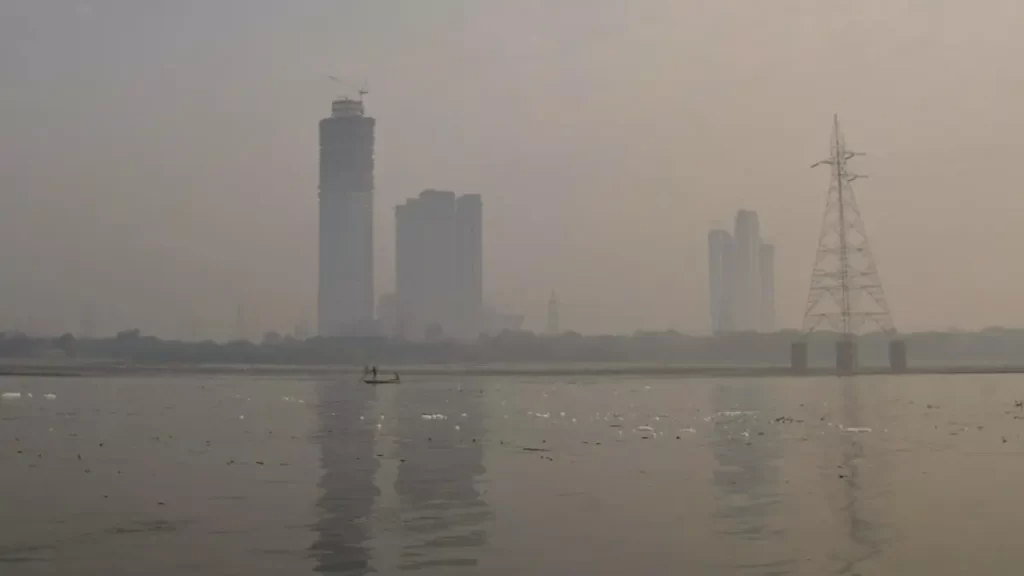
Following the festive celebrations of Deepavali, the air quality across several Indian cities has plummeted to the “severe” category, triggering a sharp rise in health complaints, particularly eye-related ailments. Ophthalmologists report a concerning 60% increase in patients seeking medical attention for burning, redness, itching, and watery eyes—conditions directly linked to the post-Diwali pollution spike.
According to health experts, the toxic mix of smoke, chemical residues, and fine particulate matter (PM2.5 and PM10) released from firecracker combustion has created hazardous conditions. These pollutants not only irritate the eyes but also exacerbate respiratory and cardiac problems. In Delhi, where the Air Quality Index (AQI) touched hazardous levels exceeding 450 in several areas, hospitals have witnessed an unprecedented influx of patients complaining of acute eye discomfort and allergic conjunctivitis.
Dr. Rajesh Kumar, a senior ophthalmologist at AIIMS, stated that exposure to the dense smog and chemical particles has led to inflammation of the conjunctiva and cornea, especially among children and the elderly. “We have recorded nearly a 60% surge in cases compared to the previous week. Many patients report burning sensations and blurred vision lasting several hours,” he said. Doctors recommend using lubricating eye drops, avoiding outdoor exposure during peak smog hours, and wearing protective glasses when stepping outside.
Environmental experts attribute this alarming trend to widespread firecracker use despite restrictions and stagnant meteorological conditions that trap pollutants close to the surface. “The lack of wind and drop in temperature after Diwali night act like a lid, preventing dispersion of smoke and particulate matter,” explained Anumita Roychowdhury of the Centre for Science and Environment (CSE). “The result is a toxic haze that not only affects breathing but also severely irritates the eyes and skin.”
Meanwhile, the Delhi government has reintroduced emergency measures, including the ban on construction activities and the implementation of the Graded Response Action Plan (GRAP) Stage IV. Schools have been advised to switch to online classes in certain areas as visibility continues to decline and air quality remains hazardous. Authorities have also urged citizens to avoid morning walks and outdoor exercises, emphasizing the health risks associated with high PM concentrations.
Medical experts further warn that repeated exposure to such high levels of pollution can have long-term consequences on vision, leading to chronic dry eye disease and corneal damage. They advocate for immediate preventive measures, including the use of air purifiers indoors and maintaining proper eye hygiene. “Even a short exposure to smog can cause lasting irritation,” said Dr. Kumar. “People should avoid rubbing their eyes and seek medical help if symptoms persist.”
As India continues to grapple with the dual challenge of festive traditions and environmental health, the post-Diwali haze has once again highlighted the urgent need for sustainable celebration practices. Experts stress that public awareness, stricter enforcement of pollution norms, and collective responsibility are essential to ensure that the joy of festivals does not come at the cost of citizens’ well-being.

