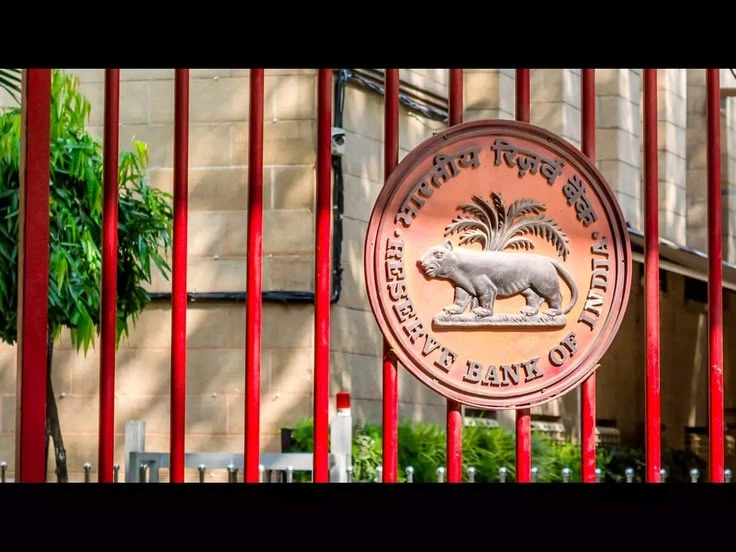
In a world where oil prices are spiking like a summer heatwave and geopolitical rumbles from the Middle East to Eastern Europe keep markets on edge, the Reserve Bank of India (RBI) is poised to keep its benchmark repo rate unchanged at 5.25%. This isn’t about playing it safe; it’s about shielding India’s economy from the kind of turbulence that could derail growth just when things were looking up.
The RBI’s Monetary Policy Committee (MPC) meets this week, and whispers from Delhi’s corridors and Mumbai’s trading floors point to no surprises. Why rock the boat now? Inflation’s hovering around the 4.5-5% mark – not runaway, but sticky enough thanks to imported inflation from crude oil crossing $85 a barrel. Add in U.S. Federal Reserve hints at stubborn rates and fresh flare-ups in global tensions, and you get why Governor Sanjay Malhotra’s team might prioritize stability over cuts. For the average Indian, managing monthly payments and the cost of living, this move might translate to consistent loan availability, though immediate relief from high interest rates isn’t on the horizon.
The Oil Price Squeeze Hitting Home
Rising oil prices India is feeling more acutely than most. India imports nearly 85% of its crude needs, and with Brent crude jumping 12% in the past month amid Houthi disruptions in the Red Sea and OPEC+ holding firm on cuts, the pressure’s real. Last week alone, diesel prices ticked up 2% in major cities, pushing transport costs higher and rippling into everything from vegetable prices to airfares.
Think about it: a family in Pune planning a weekend getaway to the hills – those fuel surcharges just got steeper. The finance ministry’s latest data shows oil import bills swelling by ₹50,000 crore year-on-year, gnawing at the current account deficit now at 1.8% of GDP. RBI’s own projections from February pegged FY26 inflation at 4.8%, but analysts at ICICI Securities now whisper it could nudge 5.2% if oil stays above $90.
Key impacts stand out clearly: every $10 per barrel rise adds 0.3-0.4% to CPI inflation, the rupee’s down 1.5% against the dollar this quarter fueling more imported costs, and fiscal subsidies on LPG and fertilizers are straining the budget by an extra ₹20,000 crore.
RBI repo rate decisions can’t ignore this. A cut now might fuel more inflation, while a hike? That’d choke credit growth when GDP forecasts are a solid 6.8% for the year.
Global Tensions Casting Long Shadows
It’s not just oil; global tensions economy-wide are making central bankers cautious. The Israel-Hamas conflict drags on, with recent escalations risking broader Middle East involvement. Meanwhile, Russia’s standoff with Ukraine shows no end, keeping energy markets volatile. Then there’s U.S.-China trade frictions bubbling up again over semiconductors and EVs.
For India, this means supply chain snarls. Exports to the U.S. – our biggest partner – dipped 3% last month amid tariff threats. The rupee’s depreciation to ₹84.50 per dollar amplifies every global shock. IMF’s latest World Economic Outlook trimmed global growth to 3.1% for 2026, citing these very risks.
Governor Malhotra, in his last presser, stressed “flexible inflation targeting” amid “exogenous shocks.” Translation: RBI monetary policy 2026 will lean neutral. Bloomberg polls show 28 of 30 economists betting on a repo rate hold 5.25%. Even doves like SBI Research argue waiting for Q2 data before any pivot.
What does this mean for global investors eyeing India? The Nifty’s up 8% YTD, but FII outflows hit ₹15,000 crore in March on U.S. Treasury yield spikes. A steady rate signals RBI’s got the backstop – think forex reserves at a comfy $650 billion.
Domestic Pulse: Growth vs. Inflation Tug-of-War
The economy is showing signs of life at home, though not without some friction. GST collections surpassed ₹2 lakh crore in March, a 10% increase compared to the previous year, suggesting strong consumer spending. The manufacturing PMI reached 58.5, the highest it had been in a year and a bit, largely due to PLI schemes that have helped electronics and auto sectors. However, rural demand is struggling. Monsoon predictions are uncertain, and farm loan waivers in states gearing up for elections are adding to the fiscal strain.
Urban India feels the repo rate pinch directly. Home loans at 8.5-9% mean that ₹50 lakh mortgage costs ₹45,000 monthly. Businesses are feeling the pinch, too. Auto sales climbed by 7%, yet MSMEs are struggling with steep working capital expenses. HDFC Bank’s recent survey reveals that 62% of SMEs are hoping for some rate relief, though the RBI is focused on the broader economic landscape.
Core inflation, excluding food and fuel costs, is currently at 4.2%. This offers a bit of breathing space.
But food prices? Wheat up 5%, veggies spiking on supply glitches. RBI’s February minutes revealed a 5-1 split for the hold, with only one vote for a 25bps cut. External members like Saugata Bhattacharya flagged oil risks, urging patience.
CPI inflation for March came in at 4.9%, a bit above the Reserve Bank of India’s 4% target, which allows for a 2% margin. GDP growth is forecasted at 6.8%, with some analysts anticipating it could exceed 7%. The repo rate remains unchanged at a neutral 5.25%, and the rupee is under pressure, trading at ₹84.50 against the dollar. Given these factors, a decision to maintain the current stance helps to maintain stability in a challenging environment.
Voices from the Street and Boardroom
Talk to a Mumbai cabbie, and he’ll say fuel hikes are killing tips. “Petrol ₹105, boss – how we survive?” one griped last week. Corporates are mixed: Tata Motors’ execs welcome steady rates for capex plans, while retail chains like Reliance Retail flag margin squeezes.
Economists weigh in too. Aditi Nayar at ICRA predicts “status quo through June, cuts in August if oil eases.” Meanwhile, UPASI tea planters in Assam fret over diesel costs eroding profits. Even as India’s digital economy booms – UPI transactions up 45% – RBI’s cautious stance ensures no bubbles form.
Ever wonder: if oil keeps climbing, will your next fuel bill force a rethink on that long-drive vacation? These real-life ripples are what keep RBI up at night.
Looking Ahead: Stability First, Relief Later?
So, as the MPC deliberates, expect the repo rate to stay at 5.25%. It’s a vote for economic stability over knee-jerk moves. Inflation should moderate if monsoons deliver and oil dips post-OPEC meetings. By mid-2026, 50-75bps cuts aren’t off the table, per Kotak Mahindra.
India’s story remains bright: demographic dividends, digital leaps, and manufacturing push under Make in India 2.0. But in this interconnected world, RBI’s steady hand buys time to navigate rising oil prices India-style – resilient, adaptive.
For investors, borrowers, and households, the message is clear: hunker down short-term, eyes on the horizon. Stability today paves growth tomorrow. Will global tensions ease enough for RBI to loosen the reins? That’s the billion-dollar question hanging over Mumbai this week.
RBI Eyes Steady Hand: Repo Rate Likely Frozen at 5.25% as Oil Shocks and Global Tensions Test India’s Economy