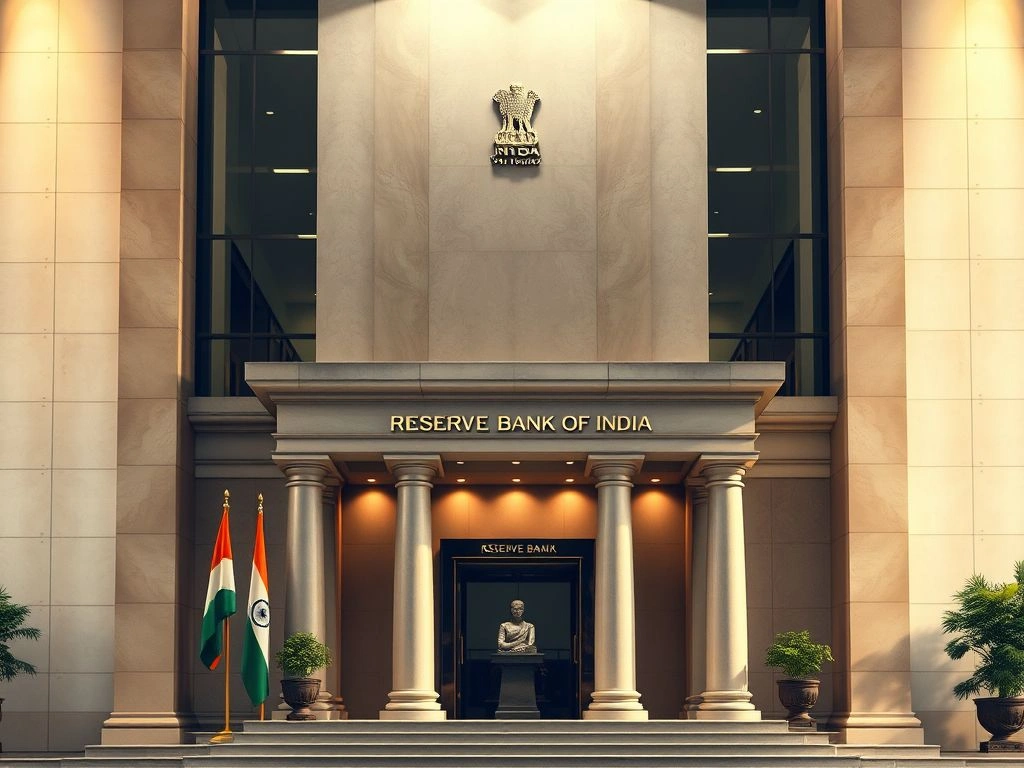
Reserve Bank of India has imposed heavy penalties on YES Bank and Hinduja Housing Finance for KYC lapses, in line with its zero-tolerance policy on regulatory violations. The penalties, published recently, pertain to major violations of Know Your Customer (KYC) regulations and other compliance concerns. This isn’t simply bad paperwork, it’s a harsh reminder of how failures in customer verification may create ripples across the financial system and potentially leave banks exposed to the risks of fraud and money laundering. The Indian banking sector is under the scanner with the rise of digital transactions and these actions prove that no institution is too big to be held accountable. Why is this important? With increasing cyber crimes and digital lending, strong KYC compliance is the first line of defence. The RBI’s action comes when public confidence in banks is important, especially after high-profile failures, such as those in recent years. Here’s what happened, why it matters and what it means for the future of banking in India.
The Penalties: A Numbers Breakdown
The RBI didn’t step back. YES Bank, a new private sector bank in India has been fined a hefty Rs 57.01 lakh for failure to comply with KYC criteria under the Master Direction on KYC, 2016. Inspectors identified problems with how the bank checked customer identification and watched transactions – the kind of basics every bank should get right.
The Rs 5 lakh penalty for similar reasons was imposed on Hinduja Housing Finance, part of the global Hinduja Group’s banking arm. Deficiencies were identified in their client due diligence and record keeping. These fines may look small against the banks’ balance sheets — YES Bank alone handles assets worth over Rs 2.5 lakh crore – but they have a symbolic punch.
To give you some perspective:
YES Bank fine: Rs 57.01 lakh for repeated KYC violations during supervisory review
Hinduja’s penalty: Rs 5 lakh, for not adhering to anti-money laundering (AML) norms.
Total impact: Over 200 penalties have been imposed in the last fiscal year alone, as part of a broader RBI enforcement wave.
These are not one-off slaps on the wrist. The RBI has been intensifying inspections, especially post the IL&FS crisis and the Yes Bank rebuilding in 2020 when the bank required a bailout. This adds to a history of regulatory troubles for YES Bank.
Where KYC Compliance Went Wrong?
Banking security is based on KYC, Know Your Customer. It is a requirement for banks to authenticate identities, evaluate risks and monitor suspicious actions. Easy on paper, but in practice? A nightmare when the volumes expand.
For YES Bank, the breaches included weak customer identification and poor continuous monitoring. Think of a high net worth individual opening an account with no real inspection, or transactions going through with no risk flags. That’s the weakness. The shortfalls in video verification or Aadhaar-based checks in the digital KYC process were to blame, said people familiar with the case.
Hinduja Housing Finance, which offers affordable housing loans, stumbled over record keeping. They did not update the risk profiles of customers regularly or report suspicious transactions to the Financial Intelligence Unit (FIU-India) on a timely basis. “In the housing finance space, loans are mostly given to first time buyers in tier-2 cities. These lapses can allow layered frauds to happen.
This is urgent in the Indian setting. UPI transactions are reaching 14 billion a month. Digital lending apps boomin’ Weak KYC, mule accounts, terror financing. 2023 Punjab National Bank scam echoes, remember? Or the recent Rs 2,000 crore cyber fraud ring uncovered in Maharashtra? Such lapses promote such atrocities. That’s scary, isn’t it? Imagine your house loan application getting mixed up with a fraudster’s profile.
The Rocky Road Of YES Bank: A Closer Look
YES Bank has been in the news earlier. Founded in 2004, it grew swiftly under Rana Kapoor, using flashy items to stimulate expansion.
Fast forward to now and the bank has steadied, with NPAs down to 1.8% and earnings recovering to Rs 2,196 crore in FY25. But this KYC fine opens up ancient scars. Analysts say it points to further operational difficulties in a high-growth environment. YES Bank’s digital effort with >50% of accounts established online deepens KYC problems. The pandemic saw an increase in e-KYC with DigiLocker and face identification, but also a rise in errors.
And stakeholders are watching. Promoter Ranjan Pai has invested billions trying to turn things around, holding a 10% share through his business. But investors shrugged off the penalties, with shares only 0.5% lower on the day of the announcement. But confidence is eroded by repeated punishments. Are YES Bank really out of the woods or are they symptoms of broader culture challenges in compliance?
Hinduja Housing Finance: The Housing View
Hinduja Leyland Finance (now renamed Hinduja Housing Finance) targets semi-urban and rural borrowers and disburses housing loans of over Rs 10,000 crore a year. The methodology works especially well when it comes to builders from cities like Pune and Nashik – ideal for a reader from Maharashtra.
Financially it may not hurt to pay a fine of Rs 5 lakh but reputationally? It’s a setback. Housing finance firms (HFCs) are regulated more lightly than banks but have also been required to follow RBI’s KYC and AML guidelines since 2016. Their mistake: Not dividing clients into risk levels – low, medium, high – and updating profiles every two years.
Housing demand in India is rising (govt aims for 1 crore homes by 2025 under PMAY) and HFCs such as Hinduja fill a need. But lax KYC risks toxic loans turning bad. Consider the 2019 DHFL crash that led to the wiping out of thousands of investors. Hinduja, backed by the strength of the $100 billion Hinduja Group, is unlikely to fail but it is a wake up call. Aadhaar mismatches and low digital literacy are major barriers for their rural focus, but no excuses.
RBI’s wider crackdown: A trend emerges
This is not a one off. Compliance has become a motto for RBI Governor Shaktikanta Das. In 2025 alone, there were 250+ businesses that were fined Rs 150 crore. Banks like Kotak Mahindra (Rs1 crore for KYC), IDFC First (Rs 2 crore for customer care) were also under the fire.
What’s driving the boom? The evil aspect of digital banking KYC-related complaints increase 30% YoY: RBI data The central bank now requires AI-powered transaction monitoring and quarterly audits. From April 2026, new laws mandate video KYC for high-value accounts (full details below)
It’s the same globally. Last year US Fed penalized HSBC $100 million for AML violations while UK’s FCA fined Barclays £72 million. India cannot afford to fall behind with a population of 1.4 billion and a budding digital economy.
Here’s a quick snapshot of recent penalties by the RBI.
YES Bank: Rs 57.01 lakh (KYC shortcomings).
Hinduja Housing: Rs 5 lakh (non-compliance gap)
Others 2025 UCO Bank Rs 3.5 crore Gold loan rules Bandhan Bank Rs 2 crore Loan classification
These measures protect depositors and ensure systemic stability.
Real World Ripple Effects Effects on Customers & Economy
And this strikes a chord among the common Indian.A Pune resident looking for a YES Bank loan may want to know: Will my details remain safe? NCRB research reveals that strong KYC helps avoid identity theft which cost Indians Rs 1.25 lakh crore in 2025.
Businesses feel it as well. YES Bank’s co-lending tie-ups with Fintechs under stricter scrutiny Housing: Hinduja’s borrowers in Maharashtra’s hot property market (Pune experienced 20% rise in sales in 2025) may face tougher scrutiny, with approvals slowed but defaults cut.
Clean compliance is a booster for FDI economically. Scandals spook investors.India’s banking sector drew $10 billion in 2025. These fines, how do they effect you, make you think twice about banking digitally?
Lessons Learned and the Way Ahead
The RBI is using these penalties to keep discipline without derailing growth. YES Bank needs to revamp its KYC IT stack soon, perhaps fully integrating RBI’s planned Central KYC Registry. Hinduja needs to train workers on the subtleties of rural verifications.”
Looking ahead, expect additional tech interventions: Blockchain for immutable records. Biometrics for unbreakable ID. YES Bank’s IT cost jumps 15% this year Banks are spending big But code isn’t king, culture is. Leadership has to be about ethics, not growth.
India’s banking system is resilient but these lapses serve as a reminder: Trust is earned every day. RBI will continue pressure when digital adoption exceeds 80% by 2027. Demand transparency for the consumer. For banks it’s straightforward. Get KYC right, or pay the consequences.
At the end of the day, these fines are not punishments. They are course corrections to lead India’s banks in safer waters. The sector is primed for expansion, but only if compliance keeps up. What do you think – does this restore trust or point to larger issues?
RBI fines YES Bank, Hinduja Housing Finance over KYC lapses