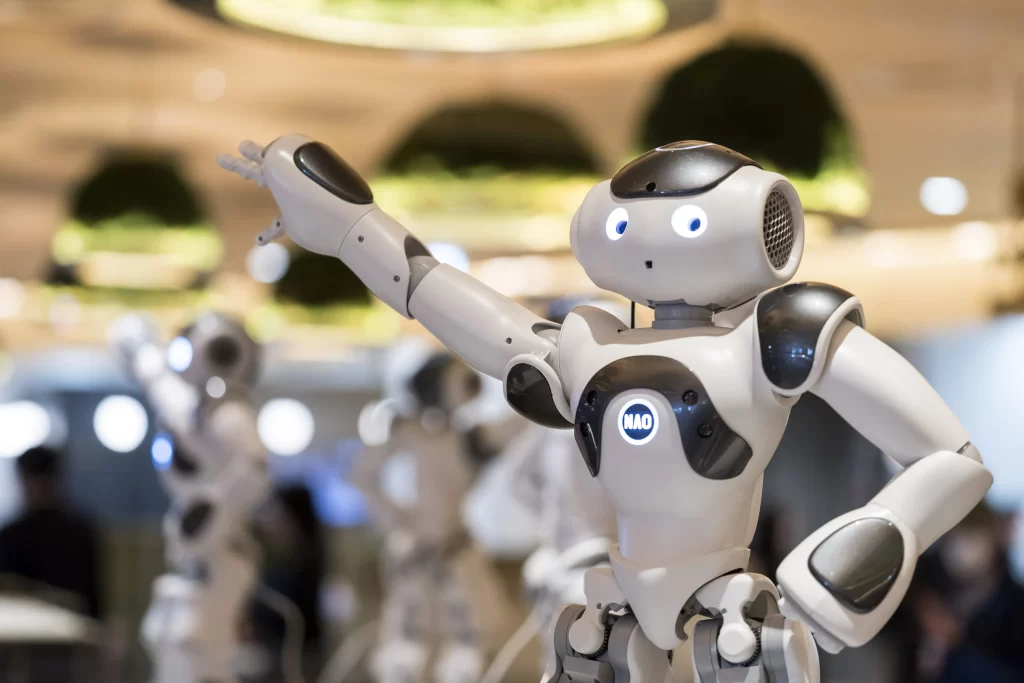
Foxconn Technology Group, the world’s largest electronics contract manufacturer and key supplier to Apple Inc., is set to revolutionize its iPhone production lines by replacing human workers with robots. This announcement, made recently by Foxconn’s chairman, Liu Young-way, signals a significant shift in the manufacturing landscape, underscoring the rising role of automation in the electronics industry.
In a statement released at a technology summit in Taipei, Liu emphasized that robot workers would soon dominate the assembly process for Apple’s flagship device. The chairman outlined the company’s aggressive plan to accelerate automation across its factories, aiming to enhance precision, reduce costs, and increase overall production efficiency. “Our vision is clear — robotics and artificial intelligence will largely replace manual labor in iPhone assembly,” Liu said, highlighting that these advancements would ensure consistent quality while addressing labor shortages.
Foxconn’s shift toward robotics aligns with broader trends in global manufacturing, where automation technologies such as industrial robots, machine learning, and smart sensors are becoming commonplace. The company has already invested heavily in robotics research and development over the past five years, deploying automated systems for tasks ranging from component placement to final product inspection. However, Liu’s recent remarks mark the first time the company has confirmed plans for a near-complete robotic workforce on iPhone assembly lines.
Industry analysts suggest that this transformation could impact thousands of workers in China, where many of Foxconn’s factories are located. While automation promises efficiency gains, concerns about job displacement and the socioeconomic consequences for factory workers remain significant. Foxconn has indicated its intent to retrain affected employees for roles in robot maintenance and quality control, though details on such programs are still emerging.
Apple, whose iPhones have consistently been produced through Foxconn’s extensive manufacturing network, has not commented directly on the automation plans. Still, the company’s strategic emphasis on supply chain resilience and innovation suggests alignment with Foxconn’s robotic initiatives. Automation could also help Apple mitigate risks associated with labor disputes and geopolitical uncertainties that have historically disrupted production schedules.
Experts believe that Foxconn’s robotic overhaul could set a precedent for other manufacturers in the electronics sector. With consumer demand for smartphones and smart devices showing no signs of slowing, companies are under pressure to innovate production methods. By leading in automation, Foxconn hopes to maintain its competitive edge and meet Apple’s high-volume production targets more reliably.
In conclusion, the transition from human to robot assembly in iPhone manufacturing represents a pivotal moment for Foxconn and the global electronics supply chain. While promising improved efficiency and quality, it also raises critical questions about workforce transformation and the future of industrial labor. As Foxconn pioneers this change, the industry will watch closely to see how automation reshapes manufacturing dynamics in the years to come.