
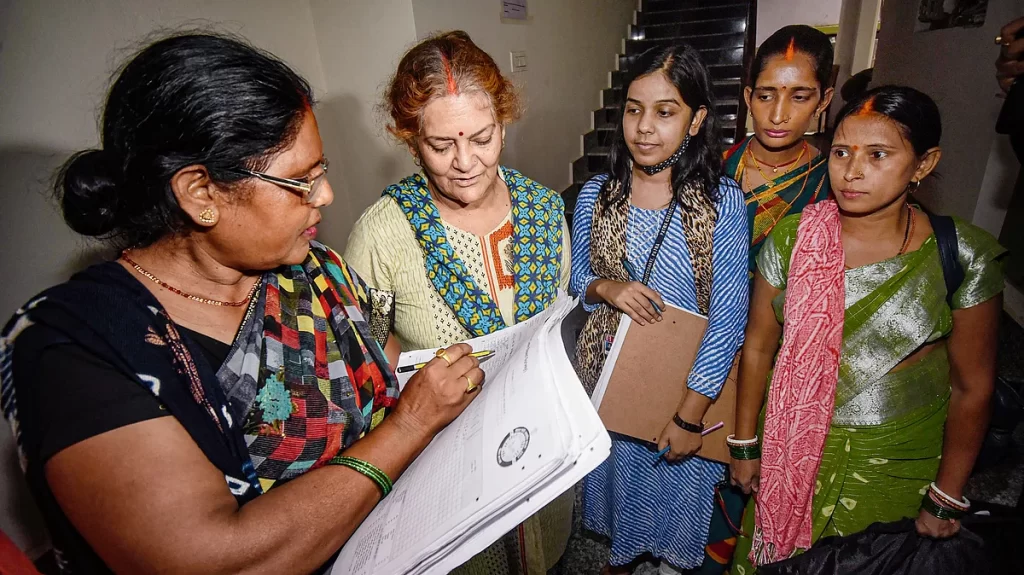
The Supreme Court of India has once again made it unequivocally clear that the decision to conduct a nationwide Socio-Economic and Caste Census (SECC) lies solely within the domain of the Union government. Reaffirming its long-standing position, the Court refused to entertain a plea seeking directions to the Centre to carry out a fresh caste census, stating that such an exercise is inherently a “policy decision” and not a matter for judicial intervention.
Amid growing political and social debates surrounding caste-based enumeration, the demand for updated socio-economic data has intensified. Several states and community organisations have argued that a comprehensive caste census is essential to ensure accurate welfare planning, equitable resource distribution, and strengthened reservation frameworks. However, the Supreme Court’s latest stance reinforces that any nationwide SECC must stem from governmental initiative rather than court directives.
Court’s Observation: Clear Separation of Powers
During the latest proceedings, the bench observed that the judiciary cannot compel the executive to undertake such a large-scale administrative exercise. The judges noted that census-related decisions involve extensive planning, financial considerations, and nationwide coordination — all of which fall within the Centre’s jurisdiction. The petition was subsequently withdrawn following the Court’s clear refusal to issue directions.
This reiteration aligns with the Supreme Court’s earlier judgments, where it had declined similar pleas, including requests for the release of raw SECC 2011 caste data. In previous observations, the Court had highlighted significant inconsistencies and inaccuracies in the 2011 socio-economic and caste data, which the Centre had deemed “unreliable” and unsuitable for use in policy formulation.
SECC 2011: A Contested Database
The 2011 SECC remains a widely debated exercise. Although intended to offer a detailed snapshot of India’s caste and socio-economic landscape, the dataset faced major challenges during enumeration. Technical errors, classification concerns, and large data gaps rendered significant portions of the caste data practically unusable.
This has left policymakers, researchers, and state governments without dependable caste-wise demographic information for more than a decade. The absence of updated data has complicated welfare planning, especially initiatives targeting Other Backward Classes (OBCs) and economically vulnerable groups.
Key Issues Associated With SECC 2011
- Inconsistency in caste entries
- Lack of standardized caste categories
- High error rates during data collection
- Disputes over classification and verification
- Limited usability for welfare and reservation planning
Political and Social Implications
The question of conducting a fresh caste census has gained momentum nationwide. Proponents argue that reliable caste-based socio-economic data is critical for modern governance, helping identify disadvantaged groups and revise reservation quotas based on current realities. Several state governments have already initiated their own caste surveys to bridge the information gap.
Opponents, however, warn that a national caste census may inflame social tensions, complicate administrative processes, and risk politicization of demographic data.
By reiterating its stance, the Supreme Court has effectively shifted the responsibility to the Centre, signaling that legislative and executive will are the only paths forward for a nationwide caste-based enumeration.

