
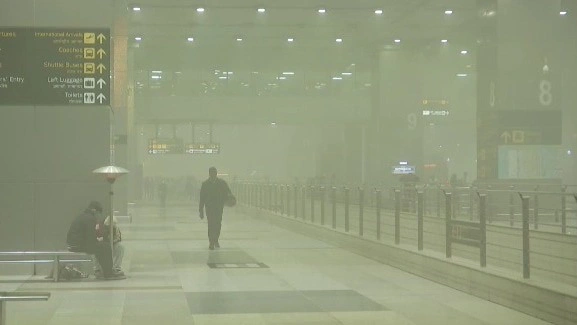
Northern India is witnessing an unrelenting severe cold wave and dense fog conditions, compelling authorities to issue multiple weather alerts and extend school closures to safeguard public health and safety. The India Meteorological Department (IMD) has forecast that the harsh conditions are likely to persist for the next several days, particularly in the Delhi-NCR region and adjoining northern states, disrupting daily life and prompting precautionary measures.
The cold wave has triggered delays and closures in schools from Noida to Ghaziabad, where authorities have ordered junior classes up to Class 8 to remain shut until at least January 10, 2026. In stricken districts such as Gautam Buddh Nagar and Ghaziabad, the decision follows a dramatic drop in temperatures and significantly reduced visibility due to thick fog, with local administrations prioritising the safety of children during early morning travel hours.
Weather Conditions and IMD Alerts
The IMD has indicated that the ongoing cold wave and dense fog are a result of sustained low temperatures, light winds, and clear night skies that facilitate rapid heat loss from the earth’s surface. This combination has led to very cold morning temperatures, especially across Punjab, Haryana, Uttar Pradesh, Delhi-NCR, and parts of Jharkhand and Bihar. Dense fog during predawn and early morning hours has significantly reduced visibility, adversely affecting road and rail transportation.
Meteorologists note that these conditions are typical of winter cold spells in northern India but assert that current patterns are unusually prolonged. Forecasts warn that dense to very dense fog could linger through much of the next week, with cold day conditions continuing in many districts. Motorists are being urged to use fog lamps and practise extreme caution on highways where visibility can drop to near-zero levels.
Impact on Public Life
Air quality in the Delhi-NCR region has deteriorated sharply amid the cold wave, with parts of Noida, Greater Noida, and Ghaziabad registering AQI values in the ‘very poor’ category due to stagnant air and minimal wind movement. These conditions are worsening respiratory discomfort among vulnerable populations, including children and the elderly.
To protect students, local authorities have extended school holidays for younger students and, in some cases, adjusted school timings for older students to avoid the coldest parts of the day. Bodies like the district education offices in affected regions are coordinating with schools to ensure compliance with closure orders and advise parents to monitor communications for updates.
State-specific measures include closures not only in Noida and Ghaziabad but also in Jharkhand, where schools were shut till January 8, 2026 due to plummeting temperatures, and in Chhattisgarh’s Surguja division, where schools for Classes 1–5 will remain closed until January 10. Authorities are also urging winters-season readiness for vulnerable residents, including warnings about frostbite and hypothermia risks.
Broader Implications
The convergence of severe cold, dense fog, and poor air quality underscores the multi-dimensional challenge posed by extreme winter weather in northern India. These conditions not only disrupt education and transportation but also strain healthcare services, complicate emergency responses, and impact agricultural activities where frost can damage crops.
Experts stress the importance of community preparedness and real-time weather monitoring. Residents are advised to stay updated through official weather bulletins, limit exposure during peak cold hours, and ensure appropriate clothing and heating arrangements to minimise health risks.
As the IMD continues to monitor and issue alerts, the next few days will be crucial in determining whether Northern India will see an early thaw or continue under the grip of this formidable winter onslaught.

