
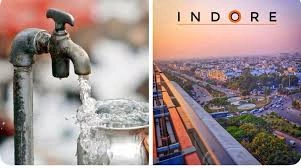
Indore, long celebrated as India’s cleanest city under national sanitation rankings, is facing an unprecedented public health crisis after widespread sewage contamination was detected in the municipal water supply. The crisis, which escalated sharply in January 2026, has primarily affected the densely populated Bhagirathpura area, raising serious concerns about urban infrastructure, water safety, and public health governance.
A Shocking Crisis in a Model City
The discovery of sewage mixing with drinking water has sent shockwaves across Madhya Pradesh and beyond. Residents of Bhagirathpura began reporting foul-smelling, discolored tap water, followed by a sudden surge in cases of vomiting, diarrhea, stomach infections, and fever. Hospitals and clinics in the area witnessed a rapid influx of patients, including children and the elderly, prompting health authorities to declare the situation a public health emergency.
Indore’s reputation as a benchmark for cleanliness, waste management, and urban planning has made the crisis particularly alarming. The incident underscores a critical gap between surface-level sanitation achievements and the underlying integrity of essential civic infrastructure such as water pipelines and sewage systems.
Causes and Immediate Impact
Preliminary investigations by municipal officials point to damaged underground pipelines and illegal sewage connections as the primary causes of contamination. Aging infrastructure, combined with recent repair work and pressure fluctuations in water lines, is believed to have allowed sewage to seep into the potable water network.
Key impacts observed so far include:
- Sharp rise in waterborne diseases in Bhagirathpura
- Temporary closure of schools and local markets
- Deployment of medical camps and emergency water tankers
- Growing public anger and protests by affected residents
Doctors have warned that prolonged exposure to contaminated water could lead to outbreaks of serious illnesses such as typhoid, hepatitis A, and cholera if swift corrective measures are not sustained.
Administrative Response Under Scrutiny
The Indore Municipal Corporation has initiated emergency measures, including shutting down contaminated water lines, chlorination drives, and large-scale water quality testing. Tanker-based drinking water supply has been arranged for affected neighborhoods, while repair work on damaged pipelines is underway.
However, the crisis has sparked intense scrutiny of civic authorities, with residents questioning routine water quality monitoring and long-term infrastructure planning. Urban policy experts argue that the incident highlights systemic issues faced by rapidly growing Indian cities, where population pressure often outpaces upgrades to underground utilities.
Public Health and Urban Lessons
The Indore water contamination crisis serves as a stark reminder that cleanliness rankings alone do not guarantee public health security. Sustainable urban development requires continuous investment in hidden infrastructure, transparency in governance, and robust early-warning systems to detect contamination before it reaches households.
Broader implications of the crisis:
- Renewed focus on water safety and sewage management
- Demand for independent audits of municipal water systems
- Potential policy reforms in urban infrastructure maintenance

