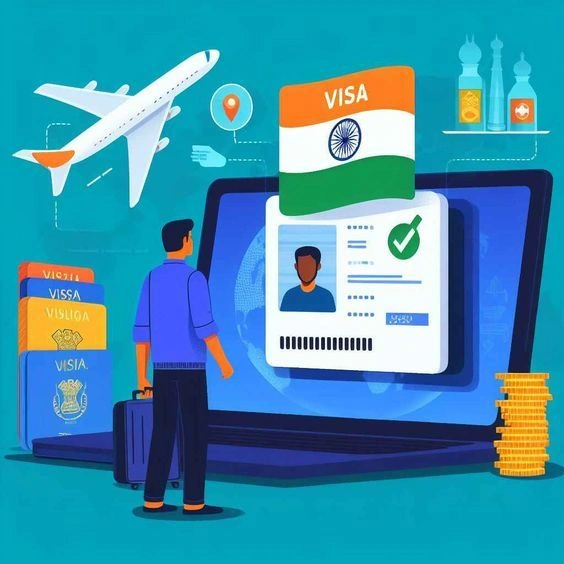
Indian passports now offer more access than ever before, but it takes intelligent planning to get there. Outbounds are at an all-time high of 30 million this year, and clever travellers from Mumbai to Bengaluru are opting for digital visa hacks that save time, save stress and keep budgets intact, instead of old-school paperwork.
The Growth of Outbound Travel from India
India’s wanderlust is real. The country saw about 30 million overseas trips in 2026, an increase of 25% from previous year, and treble the pre-pandemic levels. That’s families from Pune flocking to Thailand beaches, young professionals from Delhi seeking Japan adventures and millennials exploring Sri Lanka’s hills. Analysts estimate the market will be valued at $23.4 billion in 2023, and will reach $68.8 billion by 2036, a 11.4% growth rate.
What did the swap do? Lower fares are a key factor: Flights to Southeast Asia have come down to Rs 8,000-12,000 one-way, mainly to the expansion of IndiGo and Air India Express. Higher earnings also assist, particularly in the 200m-strong middle class which prefers experience to staycation. Japan had 800,000 Indian visitors in Q1 alone after visa-on-arrival kicked in January. Japan stole the show. Atlys’s 2026 research ranks Thailand, UAE, Nepal and Sri Lanka as the easiest and most affordable.
But visas are still the gatekeeper. Dreams used to be killed by long waits and rejections. Now, digital tools are altering that, and Indians can plan better.
The Emergence of Digital-First Visa Strategies
No more forms to staple, no more long, long waits. Smart Indian visitors are treating visas like flight bookings – digital, trackable and proactive. Applications, payments, biometrics and even live status checks for e-visas are all done online via official portals.
Think Thailand or Sri Lanka, both famous for their e-visas. You fill a form on their sites, upload docs, pay by card and obtain approval in days. No VFS centres are open. Japan also did it simpler: Indians get visa on arrival, just show there, scan your passport and you are done. UK became all digital. No more stickers, just a passport-linked e-visa.
Apps like Atlys and BlinkVisa bulk up. Atlys’s AI scans your profile to determine your probabilities of approval and offers changes like inflating your bank accounts before you apply. If things go wrong, BlinkVisa will return your money as travel credits. MakeMyTrip now bundles rejection insurance with bookings, a safety net for first-timers.
These tools are great for Indians since portals crash at peaks, and slots are gone quickly. Pros make appointments months in advance and treat them like calendar must-dos. They download all the PDFs and retain them offline, then do brief verification checks, biometrics like facial scans.
Top Destinations and Their Visa Wins
Visa easiness is high. Sri Lanka tops Atlys’s 2026 rankings for Indians. Cost of e-ETA is $50 for 30 days. 1 hour from Chennai by flight. No hassle to reach beaches and tea fields.
Thailand is a no brainer. Visa free or quick e-visa for 15-60 days. Affordable lodgings, street meals around Rs 200, ideal for Pune families exploring the international waters.
The boom in Japan? Visa-on-arrival has cut down the obstacles and now Indians rush to Tokyo and Kyoto. Affordable Air India routes help.
UAE and Nepal make easy tops – visa on arrival or e-options. The Philippines is 30-day visa-free for longer hauls, with islands such as Boracay calling divers.
E-visa lists exploded: 50+ countries including Australia (90 days), Malaysia (30 days), Turkey (30 days). Schengen wants digital visas by end 2026: online applications, one biometrics visit, barcode entrance.
Thailand: Multiple-entry fast e-visa.
ETA on line, stay 30 days-Sri Lanka
Japan: From Jan 2026 upon entry.
Philippines: 30 days visa free.
These incentives are driving the explosion—why wait months when days will do?
Everyday Wins: Road Stories
How a Bengaluru techie nailed a trip to Japan. Meet Priya. She used Atlys AI to identify weak ties in her app – property documentation added – and got visa-on-arrival without sweat. Or Rajesh, from a Mumbai family: Booked Thailand e-visa 3 months ahead using official website, tracked live, flew worry-free.
Tips are buzzing on social media. Influencers expose portal tips: Incognito for slots, have financials ready. What’sApp groups trade real-time availability for Schengen or US stamps
Even returns get help – India’s e-Arrival Card since April requires a pre-flight QR code, cutting immigration lineups in half. Airlines check it at gates nowadays.
These stories prove that digital is not glamorous, it’s practical. Has a visa delay ever made you miss your dream trip? Thousands have not this year.
Challenges and Smart Solutions
Not all smooth sailing. US under scrutiny: social media review, 221(g) holds, H-1B backlog till 2027. Schengen pilots problem; biometrics still require visits.
Japan needs centre appointments. Schengen slots go fast. 20-30% rejections for weak apps, missing itinerary or finances
Corrections? Get there early, six months for the choosers. Try pros like VFS trackers. No-shows are covered by insurance. Diversify: If US stalls, switch to Canada eTA.
Digital nomad visas in Slovenia, Philippines lure remote workers—up to year stays. But read the fine print: social disclosures, costs rise.
Technology’s Role in Smarter Travel
AI is leading the charge. Atlys predicts approvals, portals use liveness detection to reject false ones. In India, e-Arrival is managed by Su-Swagatam, a mobile app.
Budget airlines weave visa status into applications IndiGo pings reminders “BeVisaReady” initiatives are promoted using influencer marketing.
For the Indian who knows his SEO, these tools mean real-time tweaks: Pre-submit digital update tasks, funds.
What Is To Come
Outbound trips could surpass 50 million by 2030. Digital visas go mainstream – EU full deployment by 2028, more e-options everywhere.
Challenges remain: Geopolitics, costs. But with the rise of passports comes access. India might also relax inbound, enhancing reciprocity.
Smart travellers win by getting ahead of the game. Digital-first is not a trend. It’s the new norm. “Visa hacks transformed my bucket list into boarding passes,” said a Delhi blogger. Will you join the jet-setters who are changing the world’s skies?
Smart Indian Travellers Leverage Digital-First Visa Strategies as Outbound Travel Boom in 2026