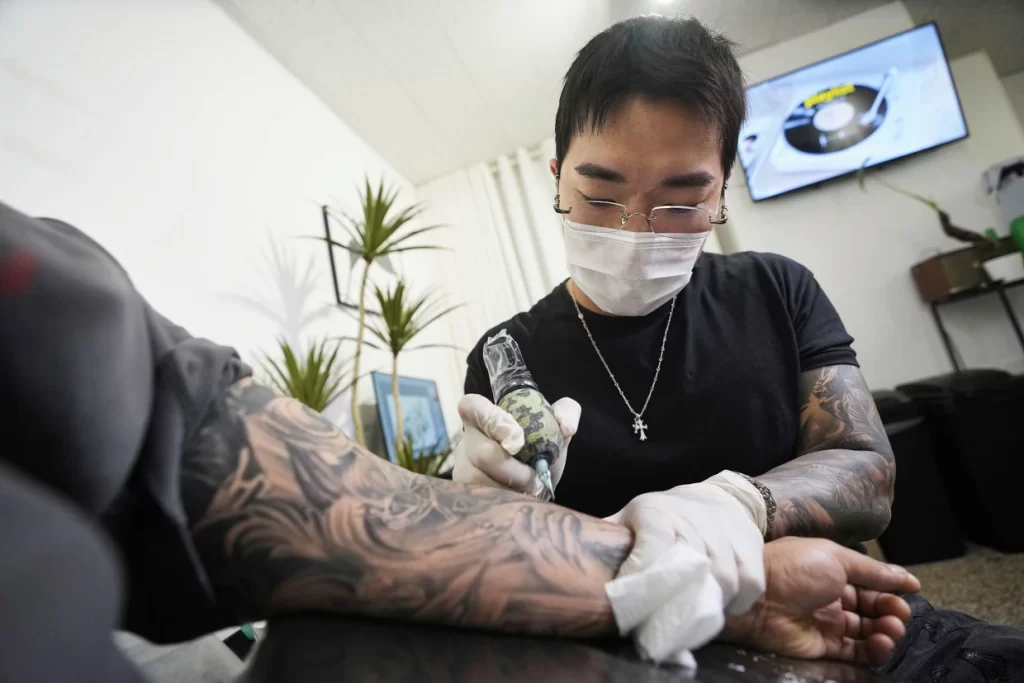
South Korea has taken a historic step in cultural and professional reform by passing the Tattooist Act, legalizing tattooing by non-medical professionals after a ban that lasted over three decades. The decision marks a turning point for the nation’s tattoo industry and reflects shifting cultural perceptions about body art.
The Tattooist Act, passed by an overwhelming majority in the National Assembly, introduces a regulated licensing system for tattoo artists. Under the new law, tattooists will be required to complete annual hygiene training, ensuring high safety and sanitation standards. The law will come into effect after a two-year grace period, allowing the industry and regulators to prepare for the changes.
Previously, South Korea’s laws criminalized tattooing unless performed by licensed medical doctors — a restriction in place for 33 years. Violation of this ban could result in fines of up to 50 million won (approximately $35,000) and possible imprisonment. Despite these restrictions, tattooing flourished underground, driven by demand from younger generations and popular culture influences such as K-pop and fashion trends.
“This is a major victory for freedom of expression,” said Lee Min-ji, a Seoul-based tattoo artist. “For years, talented artists worked in secrecy despite public demand. Now we can operate openly, ensuring better quality and safety for clients.”
The reform comes amid changing public attitudes toward tattoos. Historically linked to criminality and gang culture, tattoos are increasingly seen as a legitimate form of self-expression. A 2023 Health Ministry survey revealed that most tattoos in South Korea were performed outside medical settings, reflecting the gap between legal restrictions and public practice. Today, tattoos have become popular among younger generations, with K-pop idols and influencers openly displaying them, challenging longstanding cultural stigmas.
President Lee Jae Myung, who supported the bill, emphasized that the reform aligns with broader efforts to modernize South Korea’s cultural and creative industries. “This law protects artists while ensuring public safety. It respects individual choice and acknowledges the evolving cultural landscape of our nation,” he said during the bill’s passage.
Industry analysts predict a surge in demand for licensed tattoo studios once the law takes effect. Market experts estimate that South Korea’s tattoo industry could grow by over 40% in the next five years, creating new business opportunities and employment for trained artists.
The Tattooist Act is expected to have broad cultural and economic impacts. Beyond legitimizing tattooing as an art form, it could foster tourism and cultural exchange, positioning South Korea as a progressive hub for creative industries in Asia.