In a decisive move to strengthen judicial mechanisms for addressing high-profile constitutional crimes, the South Korean National Assembly on Tuesday passed the Special Act on Criminal Procedures for Insurrection, Foreign Aggression, and Rebellion. The legislation mandates the creation of specialized judicial panels to try cases linked to the tumultuous political crisis ignited by former President Yoon Suk Yeol’s failed martial law declaration on Dec. 3, 2024, an episode that plunged the nation into its most severe constitutional confrontation in decades.
Lawmakers overwhelmingly approved the bill by a 175‑2 margin, underscoring broad legislative consensus on the need for judicial reform in the wake of unprecedented legal and political challenges. The law, championed by the ruling Democratic Party (DP), comes as prosecutors intensify criminal proceedings against Yoon and senior aides on charges of rebellion and insurrection.
Specialized Insurrection Tribunals — What the New Law Does
The new statute establishes:
- Dedicated judicial panels in Seoul’s district and high courts to handle cases involving insurrection, foreign aggression, treason, and rebellion
- Multiple three‑judge panels selected through internal judicial procedures
- Streamlined procedures to expedite trials while preserving constitutional protections
While the draft originally included provisions to apply to ongoing cases, including that of Yoon, lawmakers removed this clause during committee revisions amid concerns over judicial independence and fairness.
Key Features of the Special Act
| Feature | Purpose |
|---|---|
| Specialized judicial panels | Centralize and professionalize trials involving high‑level constitutional crimes |
| Three‑judge panels | Ensure balanced adjudication and judicial oversight |
| Separation from existing court backlogs | Prioritize cases of national security or institutional impact |
Political analysts say the act is a historic step toward reinforcing South Korea’s rule of law while balancing democratic safeguards with judicial effectiveness.
Political Reactions and Controversy
The measure passed largely on party lines. The Democratic Party framed the legislation as a necessary response to delays and perceived irregularities in the prosecution of rebellion cases, particularly those involving Yoon and several former cabinet members. Liberal lawmakers argue that traditional court procedures have struggled to keep pace with the complex security and constitutional issues arising from the 2024 martial law crisis.
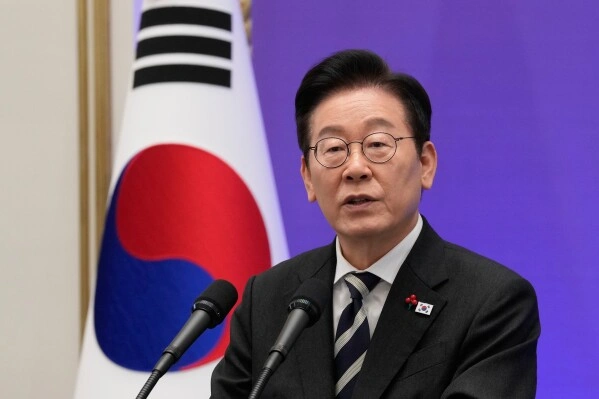
In contrast, leaders of the conservative People Power Party (PPP) vocally opposed the bill, with some staging an extended filibuster during parliamentary debate. The PPP has urged President Lee Jae‑myung to veto the measure, although political observers widely expect the law to be signed into effect.
Critics warn that the special tribunals could set a worrying precedent if misused for political prosecutions. Supporters counter that the legislation incorporates sufficient safeguards to protect due process while delivering timely justice in cases with profound implications for national stability.
The Martial Law Crisis and Ongoing Trials
The statute’s passage occurs against the backdrop of a broader legal reckoning stemming from Yoon’s controversial attempt to impose martial law in December 2024, just as opposition lawmakers sought to challenge his administration’s policies. Although martial law was lifted within hours amid intense political and public pushback, the episode triggered impeachment proceedings, criminal investigations, and sustained national debate over democratic resilience.
Yoon, who was removed from office in April 2025, now faces multiple charges, including incitement of rebellion and related constitutional violations. A special prosecutor’s office has indicted him and 23 others for allegedly trying to provoke foreign aggression — including purportedly stoking tensions with North Korea — to justify emergency powers.
In related developments, South Korea’s Constitutional Court recently removed the former police chief for his role in supporting the martial law imposition, reinforcing legal accountability for actions that undermined legislative functions.
Looking Ahead
As the special insurrection tribunals take shape, the judiciary and political institutions now face the task of managing high‑stakes trials in a manner that upholds democratic norms and public trust. South Korea’s legal architecture is entering a new chapter — one that reflects both the gravity of recent events and the nation’s commitment to constitutional order. Analysts predict that the outcomes of these proceedings could have enduring implications for civil liberties, executive accountability, and the jurisprudence of state security in East Asia.