
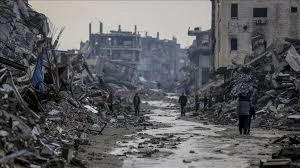
A severe winter storm, Storm Byron, has intensified an already catastrophic humanitarian crisis in the Gaza Strip, claiming at least 14 lives and leaving thousands of displaced Palestinians exposed to flooding, freezing temperatures, and inadequate shelter just as winter temperatures plummet.
The storm’s onslaught has laid bare the acute vulnerabilities of Gaza’s war‑ravaged infrastructure, where over 1.5 million people remain displaced and exposed to the elements after two years of conflict. With makeshift tents and structurally compromised homes as the only refuge for many families, heavy rainfall and powerful winds have turned encampments into flood plains and danger zones.
Storm Byron’s Toll: Deaths, Collapsed Homes, and Worsening Conditions
Storm Byron, which swept through southern Gaza in early December, brought unprecedented rainfall that flooded tens of thousands of tents sheltering internally displaced persons, forcing families to flee waterlogged camps in search of dry ground.
The Palestinian Civil Defence reported:
- At least 14 fatalities, including infants and young children, attributed to cold exposure and structural collapses.
- More than 50,000 tents partially or fully flooded, significantly reducing habitable space for families already lacking secure shelter.
- Dozens of war‑damaged buildings and partially standing homes collapsed under saturated soil and high winds, with dozens more at risk.
Health officials confirmed that hypothermia and exposure to cold, wet conditions have driven up emergency medical cases, particularly among vulnerable groups such as infants, the elderly, and immunocompromised individuals. One newborn baby died from hypothermia amid the freezing weather and inadequate shelter, local health authorities said.
Humanitarian Access Barriers Expose Deeper Crisis
The humanitarian emergency has been exacerbated by blockades and restrictions on aid delivery, limiting the flow of essential winter supplies, including durable tents, tarpaulins, blankets, and heating materials. Agencies on the ground warn that winterisation efforts remain insufficient to protect hundreds of thousands of displaced residents.
According to United Nations reports:
- Only a fraction of the required shelter materials and winter supplies have been delivered, leaving nearly 1.3 million people without adequate protection against cold and rain.
- Flood risk remains severe in low‑lying and rubble‑strewn displacement sites, raising concerns for outbreak of disease and sanitation collapse.
- Limited access to heavy machinery and infrastructure‑repair equipment continues to stall preventive measures against flooding and drainage failures.
Humanitarian workers stress that delivery bottlenecks — driven by blockade policies and logistical obstacles — have thwarted timely distribution of lifesaving supplies, even where ceasefire agreements are in place.
Public Health and Future Risks
With winter storms forecast to continue, public health experts warn of increased risks of respiratory infections, waterborne disease, and acute hypothermia — especially in overstretched displacement camps lacking proper heating, sanitation, and medical support.
Residents in flood‑prone regions have been forced to choose between unsafe shelters and exposure to harsh weather conditions, with many reporting soaked bedding, lost possessions, and deteriorating living conditions.

