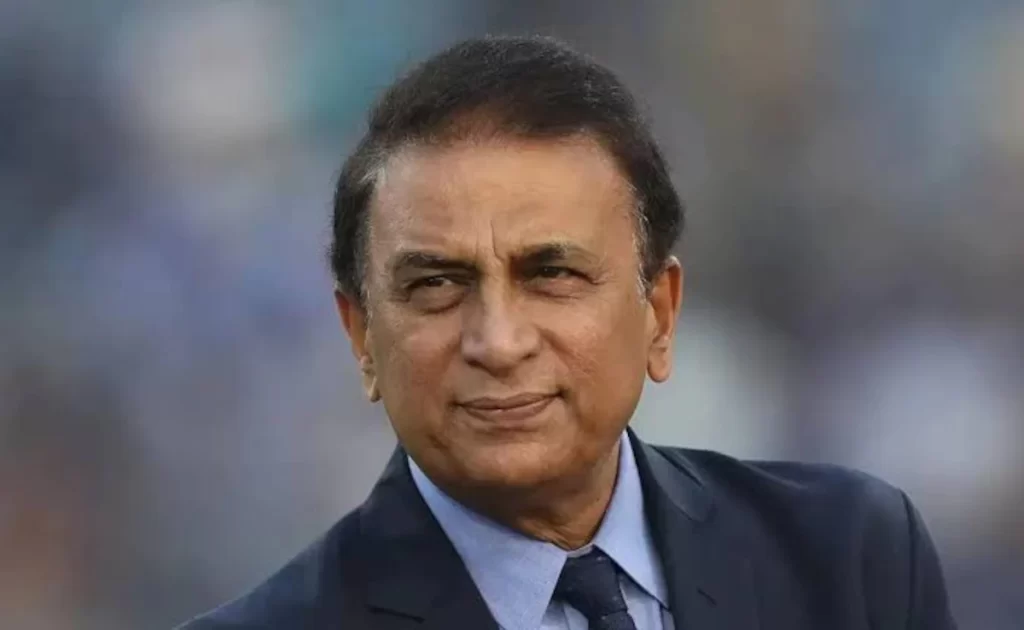
A tense moment unfolded during the live broadcast of the second Test match between India and the West Indies on October 10, 2025, when former Indian cricket captain Sunil Gavaskar’s pointed remarks left legendary West Indies pacer Ian Bishop momentarily speechless. The exchange, which occurred during the first session of Day 1 at the Arun Jaitley Stadium, highlighted the growing disparity between the two teams and sparked a broader discussion on the state of West Indies cricket.
The Incident:
As India began their innings, opening batsmen Yashasvi Jaiswal and KL Rahul built a solid partnership. Gavaskar, known for his sharp observations, noted the absence of bouncers from the West Indies pacers, Jayden Seales and Anderson Phillip, during the initial overs with the new ball. He remarked, “It’s been six overs with the new ball and not a single bouncer from the West Indies pacers. What is happening, Ian? What happened to the West Indies pace attack?” This direct question caught Bishop off guard, leaving him momentarily silent on air.
Harsha Bhogle’s Intervention:
Recognizing the discomfort caused by the exchange, renowned cricket commentator Harsha Bhogle swiftly intervened to steer the conversation back on track. Bhogle’s diplomatic approach helped diffuse the tension, allowing Bishop to regain composure and continue the discussion. This incident underscored the challenges faced by commentators in balancing candid analysis with maintaining a respectful dialogue among peers.
Context and Implications:
Gavaskar’s comments were not made in isolation. Earlier in the week, following India’s commanding victory over the West Indies in the first Test, Gavaskar had criticized the visiting team’s bowling attack, reflecting his frustration with the perceived lack of competitiveness from the West Indies side.
The incident also highlighted the evolving dynamics of international cricket commentary. With former players like Gavaskar and Bishop now sharing the commentary box, their candid assessments can sometimes lead to uncomfortable moments. However, these exchanges also provide viewers with deeper insights into the game, offering perspectives from those who have experienced the pressures of international cricket firsthand.
Conclusion:
The exchange between Sunil Gavaskar and Ian Bishop serves as a reminder of the passionate nature of cricket discussions and the fine line commentators walk in providing honest analysis while maintaining professional decorum. As the series progresses, fans can anticipate more engaging insights and, perhaps, more candid exchanges that reflect the evolving landscape of cricket commentary.