
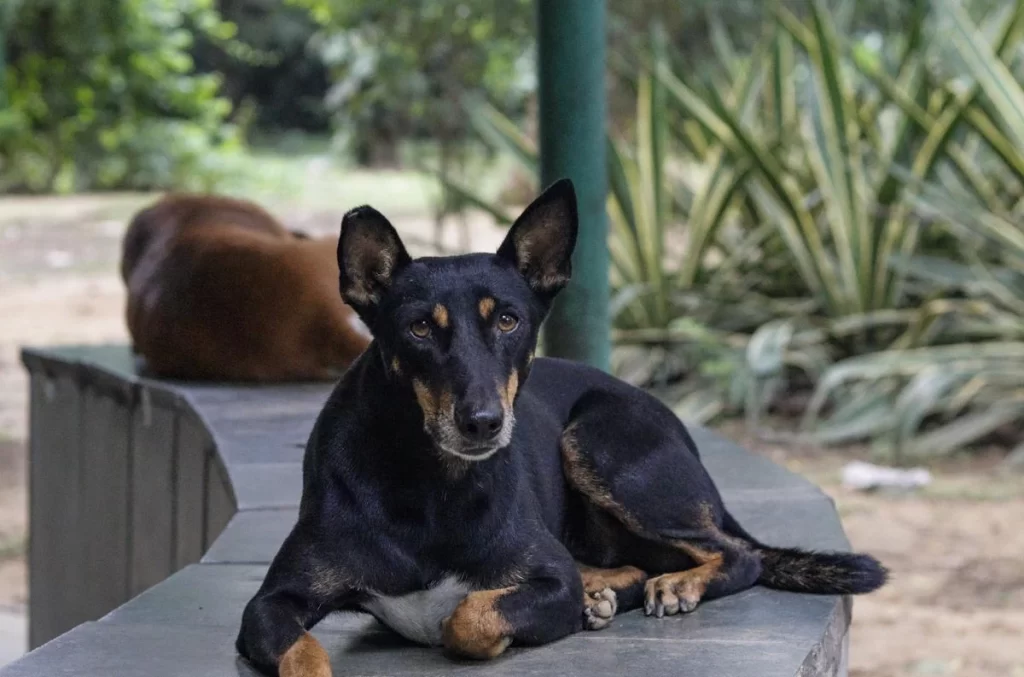
During ongoing hearings on the stray dog crisis, a three-judge bench of the Supreme Court of India, comprising Justices Vikram Nath, Sandeep Mehta, and N.V. Anjaria, has raised serious concerns about public safety and animal behaviour. The Court observed that dogs possess an instinctual ability to sense human fear, which can sometimes trigger aggression, highlighting the complex interplay between human and animal interactions in urban spaces.
Judicial Concern Over Public Safety
The Supreme Court has flagged not only the dangers of dog bites but also the rising number of road accidents caused by stray dogs, emphasizing the urgent need for effective municipal management. The bench underscored that ensuring human safety while respecting animal welfare is a delicate balance, requiring both legal clarity and practical action by state and local authorities.
The Court also highlighted an unusually high volume of legal filings on this issue, noting that the sheer number of petitions related to stray dog management surpasses filings even for major human-centric cases. This surge reflects intense public interest and legal engagement surrounding the challenge of managing India’s stray dog population.
Government and Civic Responses
Several state governments have initiated measures to comply with Supreme Court directions. In Punjab, the health department has taken steps to secure institutional premises, including schools and hospitals, and ensure that anti-rabies resources are available. Municipal authorities are being urged to implement humane population control measures, such as sterilization and vaccination, while maintaining public safety.
Animal welfare organizations, including PETA India, have urged the Court to adopt scientific and humane population management strategies, cautioning against blanket removal or caging of community dogs. Advocates argue that structured sterilization, vaccination, and awareness campaigns can effectively reduce risks while safeguarding animal welfare.
Public and Activist Reactions
The Court’s deliberations have sparked nationwide debates and protests. Cities like Lucknow have witnessed public demonstrations against directives perceived as harmful to community dogs, highlighting a growing tension between animal rights advocacy and human safety concerns.
Activists emphasize evidence-based management strategies, warning that mass relocation or shelter overcrowding could inadvertently harm animals. Meanwhile, public safety advocates argue for stricter enforcement of municipal responsibilities to prevent accidents and dog attacks.
The Court’s Deliberation
The Supreme Court is weighing multiple factors in its ongoing hearings, including:
- Reviewing and potentially clarifying earlier rulings on the removal of stray dogs from high-risk and institutional areas.
- Assessing lapses by municipal authorities under the Animal Birth Control Rules.
- Considering human safety issues, including road accidents, bites, and other incidents involving strays.
The hearings reflect the Court’s effort to balance constitutional duties to protect human life with statutory obligations for humane treatment of animals.
Broader Implications
The outcome of these hearings could have wide-ranging consequences:
- Public Policy Reform: The Supreme Court’s rulings may prompt revisions to stray animal management frameworks across India.
- Urban Governance: Local bodies may face increased responsibility to ensure citizen safety while implementing humane animal control measures.
- Social Discourse: The case highlights societal divisions between animal welfare advocates and citizens prioritizing safety on streets, campuses, and public spaces.
As the Supreme Court continues its proceedings in January 2026, India watches closely for rulings that could redefine how the nation manages one of its most persistent urban challenges—ensuring the safety of citizens while upholding humane treatment for animals.

