In a trio of landmark rulings, the Supreme Court of India addressed issues spanning human rights, criminal justice, and freedom of expression. The court directed preservation of the body of a top Maoist commander killed in a police encounter, denied bail extension to Vikas Yadav in the Nitish Katara murder case, and dismissed a plea to ban Salman Rushdie’s controversial novel The Satanic Verses.
The court intervened in the case of Katha Ramchandra Reddy, a senior Maoist leader who was killed in an encounter in Chhattisgarh’s Narayanpur district on September 22. Reddy’s family claimed the incident was a “fake encounter” and approached the Chhattisgarh High Court for an independent probe. Upholding the demand for transparency, the Supreme Court ordered the police to preserve the body in a mortuary until further orders, stressing the need for fair investigation into the circumstances surrounding his death.
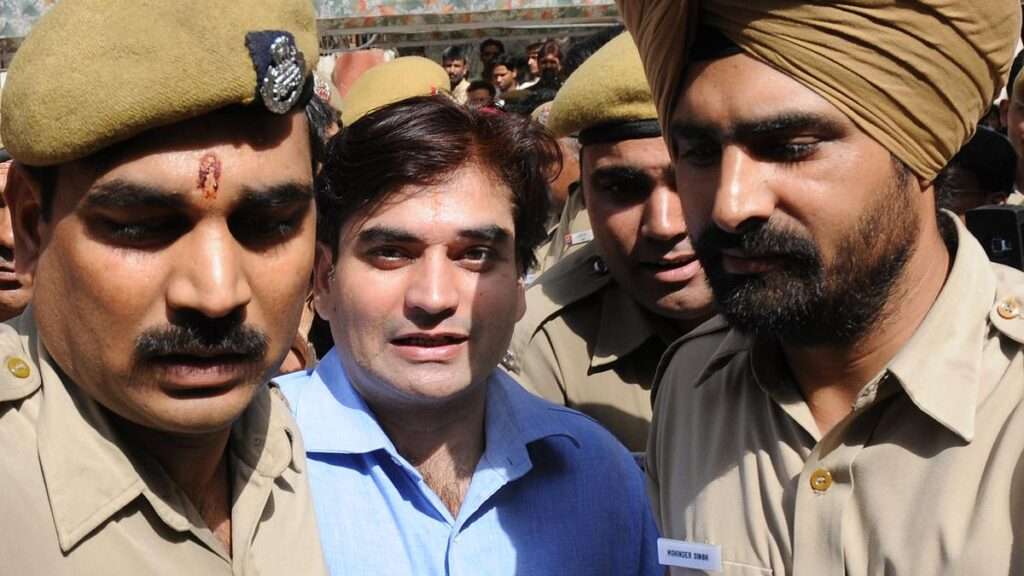
In another significant ruling, the Supreme Court refused to extend interim bail to Vikas Yadav, convicted for the 2002 murder of Nitish Katara. Yadav had sought an extension citing personal reasons, including his upcoming marriage and the need to arrange funds to pay a ₹54 lakh fine. The court held that such an extension would set a dangerous precedent and emphasized strict adherence to judicial processes in criminal cases, thereby denying his request for continued bail.
The apex court also dismissed a plea seeking a ban on Salman Rushdie’s The Satanic Verses, a book that has long been at the center of controversies. Petitioners argued that the book offended religious sentiments and hurt public order. However, the court reaffirmed the constitutional protection of freedom of expression, noting that a total ban would violate fundamental rights unless proven to directly incite violence.
These rulings collectively underline the Supreme Court’s stance on balancing human rights, legal propriety, and freedom of speech while preserving the principles of justice and democratic governance.