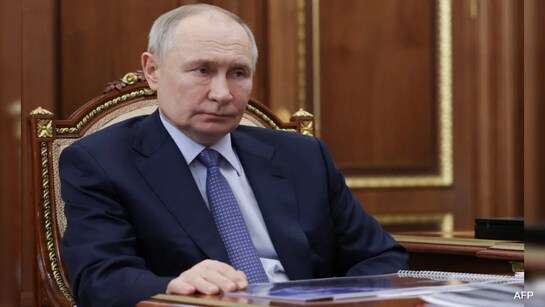
The geopolitical landscape of Asia is undergoing significant shifts, with Russia’s influence facing critical challenges amid its prolonged conflict in Ukraine. Recent developments in Syria and Armenia have raised questions about Moscow’s ability to maintain its foothold in key Asian regions as the war strains its resources and international standing.
Russia has historically wielded considerable influence across Asia, particularly through military alliances, economic ties, and political partnerships. However, the Syrian conflict and Armenia’s recent upset over territorial disputes suggest cracks in Moscow’s regional dominance.
In Syria, Russia’s military intervention since 2015 was initially seen as a strategic success, bolstering the Assad regime and securing Moscow’s presence in the Middle East. Yet, the prolonged war has drained Russia’s military and economic resources, limiting its ability to exert wider influence. Moreover, recent losses on the ground and growing local dissatisfaction signal a weakening grip on the region.
Similarly, Armenia’s recent military setbacks, especially in the context of the ongoing conflict with Azerbaijan over Nagorno-Karabakh, have highlighted perceived deficiencies in Russian support. Historically a key ally, Russia has faced criticism in Yerevan for what many see as inadequate assistance during critical moments of the conflict. This sentiment has fueled concerns about diminishing Russian influence in the South Caucasus, a region strategically vital for Moscow.
The Ukraine war has undeniably strained Russia’s capacities. Economic sanctions, military losses, and diplomatic isolation have forced Moscow to recalibrate its foreign policy priorities. Analysts argue that this has led to a decreased ability to project power abroad, especially in Asia, where Russia faces competition from rising powers like China and persistent regional conflicts.
Furthermore, Russia’s focus on Ukraine has created opportunities for other global players to expand their presence in Asia. China, in particular, has intensified its diplomatic and economic outreach, positioning itself as a more reliable partner in several countries traditionally under Russian influence.
Experts suggest that Russia’s struggle to balance the demands of the Ukraine war with its Asian commitments could reshape regional alliances. Countries like Syria and Armenia may seek diversified partnerships to reduce dependency on Moscow, potentially shifting the balance of power in Asia.
In conclusion, the evolving situations in Syria and Armenia underscore the challenges Russia faces in maintaining its influence in Asia amid the Ukraine crisis. While Moscow remains a significant player, the strain of the war and shifting geopolitical dynamics indicate a possible decline in its regional dominance. As the conflict in Ukraine continues, the broader implications for Russia’s role in Asia will likely become clearer, influencing the strategic calculations of multiple stakeholders in this complex landscape.