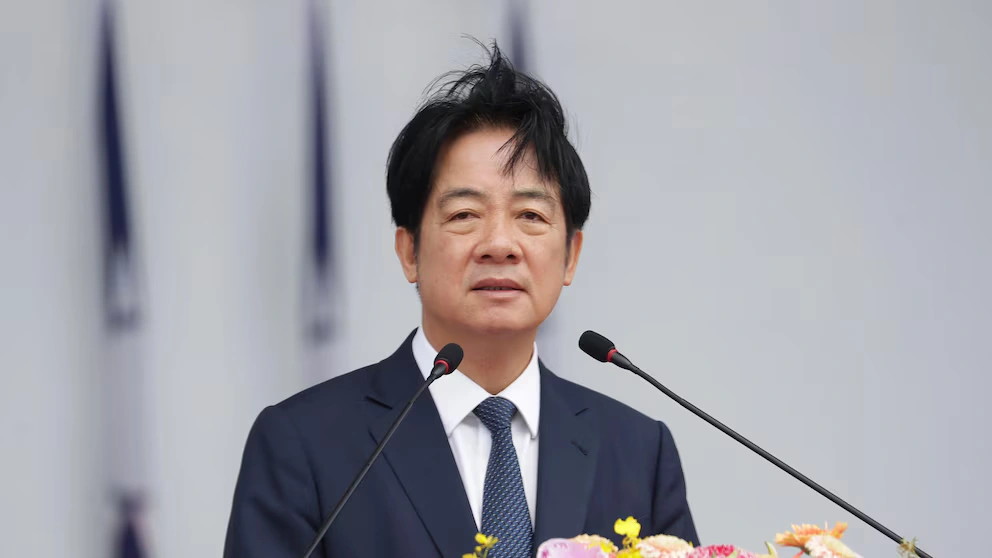
In a decisive move reshaping security dynamics in the Indo-Pacific, Taiwan’s President Lai Ching‑te on November 26, 2025, announced a landmark proposal for a US$40 billion supplementary defence budget. The initiative is aimed at strengthening Taiwan’s deterrence capabilities in response to escalating military and political pressure from Beijing, signaling Taipei’s determination to protect its sovereignty and regional stability.
Strategic Shift: Proposal Details and Goals
- The supplementary budget, totaling approximately NT$1.25 trillion, is planned to be deployed over the period from 2026 to 2033.
- Taiwan intends to use the funds to acquire major new arms, primarily from the United States, while accelerating the development of a multilayered national defence system designed to guard against missiles, drones, combat aircraft, and other emerging threats.
- President Lai emphasized the focus on “asymmetric capabilities,” a strategy designed to enhance deterrence by making potential aggression costly and risky for any adversary.
- The 2026 defence budget is projected at NT$949.5 billion, roughly 3.32% of Taiwan’s GDP, with plans to increase this proportion to 5% by 2030.
Context: Rising Pressures and Strategic Calculations
Taiwan’s decision comes amid a hardening security environment, marked by increased air‑defence incursions, naval operations, and military exercises by the People’s Liberation Army around the island. Beijing continues to assert its claim over Taiwan, which Taipei firmly rejects.
Recent reforms in Taiwan’s defence policy highlight a shift from incremental budget increases to comprehensive preparedness. Taipei has enhanced reserve forces, invested in domestic weapons systems such as drones and submarines, and implemented structural reforms to improve mobilization readiness. This “whole-of-society resilience” approach underscores Taiwan’s strategy of deterring aggression while safeguarding national security.
President Lai stressed that the US$40 billion package is more than an equipment acquisition plan. It represents a strategic pivot intended to inject significant costs and uncertainties into any potential military action against Taiwan, reinforcing the island’s capability to defend itself and maintain regional stability.