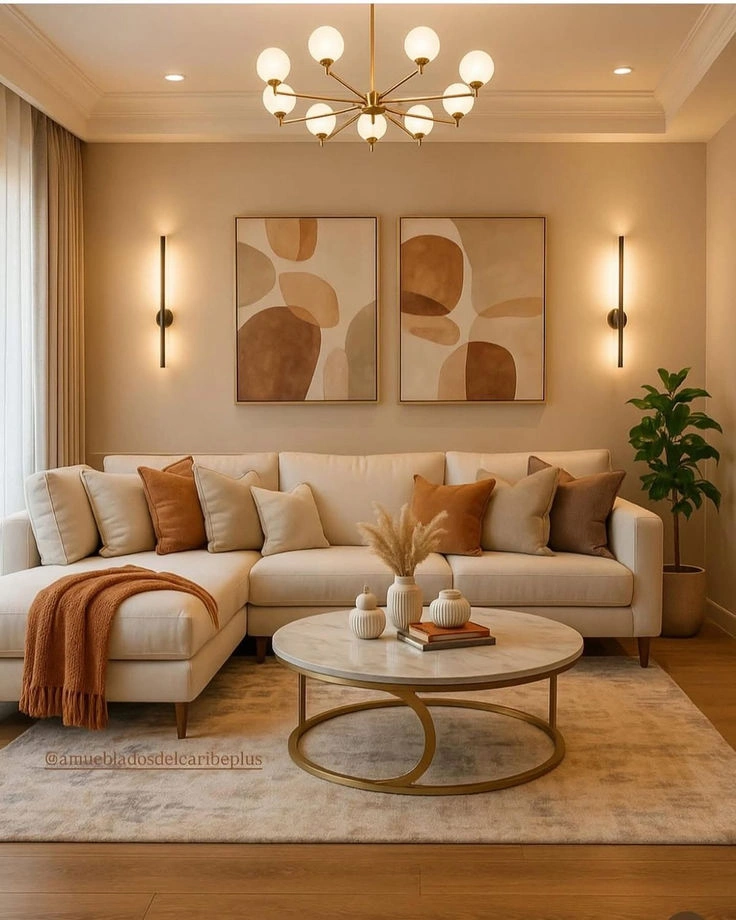
Place on a Budget in the Age of Frugal OptimismBy 2026, “cozy living” will be more than simply a trend on social media; it will be a true revolution in society. People’s homes are no longer just places to live; they are now safe havens from the constant digital stimulation, economic stress, and information overload that people cope with every day. People like the “slow living” trend and the “cozy homes” style because they want to feel safe and comfortable. These designs are more about warmth, friendliness, and thoughtfulness than sleek minimalism or showing off wealth. People are also less interested in luxury and more interested in modifications that are good for the environment, simple on the money, and excellent for the mind that make their homes seem safer, calmer, and more like their own.
Why Cozy Living Is So Popular Right Now
There will be a lot of factors that come together in 2026 to make life in comfort very enticing. These days, rooms are becoming softer and warmer as a result of design trends. People today appreciate furniture with curves, layers, and muted colors instead of the cold, polished geometries of the past. People are also being more careful with their money and preferring things that are useful and strong over things they want right soon. When you live in a warm, welcoming house, you feel like you have some control over a world that is continuously changing. You may relax, sleep better, and become more conscious of your routines with soft lighting, comfortable fabrics, and things you know. In this way, frugal optimism becomes a way of thinking: making changes that don’t cost much and are well-planned, yet nevertheless feel rich in comfort and meaning.
First, clean up the mess, and then make it worse.
The first thing you should do to make your home more comfortable is get rid of things you don’t need. A room that is full with things may look lived in, but it doesn’t feel peaceful. It’s hard to relax or concentrate when there are too many things to look at. First, walk around each space and ask yourself if an object has a clear purpose or if it makes you happy. The doorway, coffee tables, nightstands, and the space around the sofa are all high-impact places that should be cleaned first because they tend to collect the most visual noise. Cleaning even one flat surface can help a space feel quieter and more focused right away. You can keep your home nice on a budget by getting rid of or selling things you don’t use anymore, using cheap baskets or storage boxes to keep little things together, and following the “one in, one out” rule to minimize clutter from creeping back over time.
Make the lights brighter
Changing the lighting is one of the fastest and cheapest ways to make a room feel warm and welcoming. Overhead lights that are too bright can make a place feel cold and uninviting. On the other side, lighting with warm tones in layers can make a room feel more intimate and deep. Switching from cool-white bulbs to warm-white LEDs (around 2700–3000K) can make a room look nicer right away. Putting lights on the floor or table helps the light pools feel more like people than simply one light above. You can make nooks, shelves, or the area next to your bed appear beautiful and tranquil with LED candles, miniature salt lamps, or fairy lights. Adding just one more lamp to the living room or next to the couch might make the space feel much more peaceful and comfortable. It doesn’t cost much or take much time either.
Layer Textiles for Fast Comfort
Soft blankets, plush rugs, and cushioned chairs all make a room feel nice and make visitors want to stay. One of the least expensive ways to change the look of a room is to layer fabrics. You can buy secondhand fabrics, mix them up, and use them again. A throw blanket on the couch or chair will make the room feel warmer and more inviting right away. This is especially true if the blanket is made of thick knits, fleece, or faux wool. You don’t have to buy new furniture to make your room look better. You may construct a nice space by using cushions of different sizes and textures, such velvet, linen, and knit. In the morning, putting a soft rug in front of the bed or laying a smaller rug on top of a bigger one could make the floor feel less harsh and cold and more like a “landing zone.” Even a modest change, like replacing thin, scratchy blankets with thicker, warmer ones, may make a room appear a lot better.
Include some plants and things from nature.
Plants inside are a sign of tranquil locations since they make the air feel better, look softer, and remind you of life and growth. The good news is that many plants that don’t need much care are cheap and endure a long time, which makes them perfect for designs that don’t cost a lot of money. Snake plants, pothos, and succulents are tough plants that don’t need a lot of water or light to grow. This makes them easy to take care of for beginners. Taking cuttings from plants that friends or family already have is another way to get more plants without spending a lot of money. Using vintage jars, mugs, or pots from thrift stores as planters is a cheap way to make your home look more interesting. Adding a small plant to a side table, windowsill, or bookshelf can instantly make a room feel more alive and welcoming. It could make you feel like you live in a home that cares about you, not just a place to sleep.
Make a place only for you to rest.
You may build a “calm corner” in any apartment or house, no matter how little it is or how many people live there. Here, you can read, meditate, or just sit in a chair with no screens. Choosing a quiet, low-traffic space like a bedroom nook, a corner of the living room, or next to a window could help people understand that this is a place to relax and not work or do more than one item at a time. Adding soft seating, such a floor cushion, a beanbag, or a second-hand armchair with a throw on it, makes the area feel more inviting. Adding things that make you feel nice, like a blanket, a small table for tea or a book, and maybe a cheap Himalayan salt lamp or fairy lights, makes the retreat feel even more like a holiday. When you have a location to unwind, your brain learns to equate that area with peace. This makes it easy to get away from stress and too much screen time, even while you’re busy.
Choose colors and textures that make you feel relaxed.
Color psychology has a large yet quiet effect on how a room feels. A lot of people find that muted pastels, gentle earth tones, and warm neutrals are tranquil and soothing. Too bright or mismatched colors can often be too much for the senses. You don’t have to spend a lot of money to change the way a place feels. One wall painted a relaxing hue like sage green, warm beige, or soft terracotta would be enough. You may add color or pattern to your walls without making a large commitment with removable wallpaper or fabric panels. Adding color with inexpensive materials like pillows, curtains, or a rug may shift the mood of a room from one season to the next. This way, you won’t have to paint again. Changing the color of a space, even a little, can make it feel more loving and less busy.
Put items in that feel wonderful to the senses.
The way a space looks is just as essential as how it feels when it comes to comfort. You feel safe and comfortable when you are around smells, sounds, and surfaces that you know. A soft rug on the floor, cushions with soft padding, or a weighted blanket on the couch can all make a room feel more comfortable. If you live in a city where there is a lot of noise, it could assist to have peaceful music, natural sounds, or white noise playing in the background. You can make a calm space without being too powerful by using candles that don’t smell or just smell a little, essential oil diffusers, or dried herbs in a bowl. These sensory touches don’t normally cost much, but they can make a place seem a lot more like home.
Be willing to be cheap and hopeful when you design.
Being economical and hopeful when it comes to interior design means choosing choices that are healthy for your health and your money. It involves finding new uses for things you already own, like reorganizing or upcycling them, instead of buying new ones. You don’t have to spend a lot of money to make a room feel new again. You may move the furniture about, paint old pieces instead of buying new ones, and buy linens and accessories secondhand. People who think this way also take their time when making decisions. For example, they choose a few critical things over a lot of impulse buys and place quality and longevity ahead of short-lived trends. By being thrifty and following the guidelines of cozy living, including employing warm lighting, layered textiles, clean surfaces, and natural materials, people may design homes that are tranquil, beautiful, and feel like they will last both financially and emotionally.
A Quiet Place for the Future
The comfortable house checklist is a useful and helpful way to deal with how fast things are changing in the world. It’s not about how amazing you look on Instagram; it’s about keeping your home safe, comfortable, and cheap. Anyone may make their home a peaceful place by getting rid of clutter, warming up the lights, layering textiles, bringing in nature, making quiet areas, choosing calming colors, and being frugally hopeful. They’re not just putting up decorations; they’re constructing a place that helps them relax, sleep better, and feel more grounded in a world that is always too hectic.
The “Cozy Home” Checklist: How to Make Your Home a Relaxing