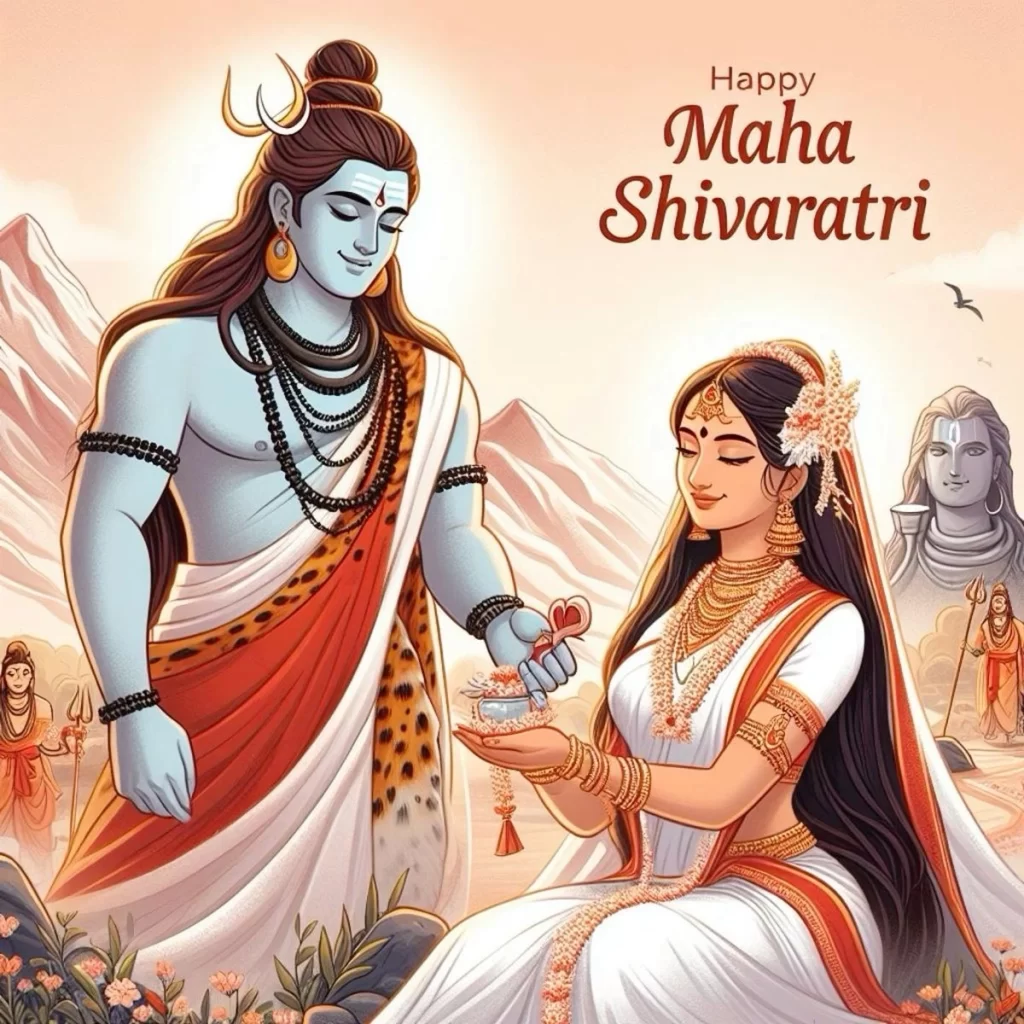
Mahashivratri comes on February 15, 2026, which is a Sunday when millions of people worship Lord Shiva with all-night vigils and deep devotion. This holy night is a time for spiritual progress and cosmic peace, and the Nishita Kaal puja times are very exact.
Date of the Festival and Good Times
The Krishna Paksha Chaturdashi Tithi of the Phalgun month is on Sunday, February 15, 2026, which is also the day of Mahashivratri. It will begin at 5:04 PM on February 15 and terminate at 5:34 PM the next day. The ceremony happens on the 15th because Nishita Kaal is the greatest time for worshiping Shiva, which makes it the most spiritually powerful.
In New Delhi, Nishita Kaal, the midnight peak of devotion, is usually between 12:09 AM and 1:01 AM on February 16. In Mumbai, it is between 12:28 AM and 1:19 AM, and in Bangalore, it is between 12:15 AM and 1:06 AM. Devotees schedule their rituals in four Prahars. The first one is from 6:11 PM to 9:23 PM on February 15. The second one goes all night, the third one goes until roughly 3:47 AM on February 16, and the fourth one ends by 6:59 AM. Parana, or breaking the fast, takes place on February 16 from 6:57 AM until 3:24 PM, which allows people to maintain observing.
These periods, which derive from Vedic astrology, make the event much stronger. Nishita Kaal is the line that separates the physical and spiritual realms.
The Stories That Go With Mahashivratri
The stories about Mahashivratri relate about how the gods helped and how the universe is balanced. One famous story is about how Lord Shiva wedded Goddess Parvati. After Sati murdered herself, Parvati undertook a lot of penance to win back his affection. This night marks the union of Shiva (consciousness) and Shakti (energy) in marriage.
Another myth from the Samudra Manthan relates that Shiva took the fatal Halahala poison to protect the world. This turned his throat blue, and people remember this gesture of giving up something throughout the celebration. A third story is about a hunter who threw bilva leaves on a Shiva Lingam by mistake while he was sleeping. This proves that Shiva’s grace has no limits.
These stories suggest that Shiva dances the Tandava, the cosmic dance of destruction and renewal, on this night. This makes Mahashivratri more than merely a ceremonial.
The most important spiritual meaning
The main idea behind Mahashivratri is that light beats darkness, wisdom beats ignorance, and the ego goes away so that you might have a spiritual awakening. In Vedantic philosophy, it signifies the Atman’s acknowledgment as Brahman, so emancipating one from the cycle of samsara by Shiva’s grace.
At night, the planets are in an excellent place for spiritual energy. This is great for meditation and mantra recitation, like “Om Namah Shivaya,” which burns off karmic residue and leads to moksha. Yogic traditions say that balancing ida and pingala nadis to stir up kundalini is a technique to change from the inside out. For those who believe, true observance brings forgiveness of sins, peace in marriage, and wealth. This is a plea for everyone to think about themselves.
Detailed Puja Vidhi and Ceremonies
There is a specific sequence to the Mahashivratri rites, and they stress purity and devotion. Devotees get up early in the morning to take a holy bath, put on new clothes, and make a holy altar at home, which is often made of clay.
Steps that are important are:
Sankalpa and Invocation: Make a promise to fast and call on Ganesha and Shiva by chanting “Om Namah Shivaya.”
Abhishekam: Use Ganga jal, milk, curd, honey, ghee, and sugar cane juice to wash the Lingam one at a time. Each of these things stands for cleanliness, goodness, and food.
Use vermilion, hang bilva leaves (three-pronged, representing the Trinity), fruits, flowers, and sweets as offerings. Light diyas and incense.
Chant mantras, Rudram, and make aarti during each of the four Prahars Pujas. The last part is the great party for Nishita Kaal.
Jagaran: To stay awake, read Shiva stotras, bhajans, and other scriptures.
The most important event is Rudrabhishek with milk and Gangajal because it offers numerous benefits.
How to fast and eat well
According to satvik beliefs, fasting during Mahashivratri cleanses the body and psyche. There are options for everyone, from Nirjala (waterless) to fruit-based vrat.
Dos for best observance:
After parana, eat foods that are healthy for vrat, like fruits, milk, nuts, buckwheat flour items (just sendha namak), and root vegetables.
Stay single, honest, and kind; don’t eat grains, onions, garlic, or tamasic foods.
Drink a lot of water before. Women do it to keep the harmony in their families, and males do it to get stronger.
Don’t be furious, sleep too much, or think negatively. Think about how nice Shiva is. This exercise makes it easier to get energy from the heavens.
There are famous temples and events all around the country.
India is very excited on Mahashivratri because temples have great events. People come from all around to see Jyotirlingas like Somnath in Gujarat (the first of 12, on the sea) and Mahakaleshwar in Ujjain (renowned for Bhasma Aarti).
The “Har Har Mahadev” chanting at Kashi Vishwanath in Varanasi sound like they are coming back. They give milk at Baba Baidyanath in Deoghar. The Isha Yoga Center in Coimbatore mixes yoga and meditation at night, and Brihadeeswarar in Thanjavur is a superb example of Chola architecture in the south.
In 2026, you can expect stronger security and live broadcasting. People in Pune will want to go on treks to the Bhimashankar Temple to see it. These are like virtual pujas in groups of people from all over the world.
Modern Observance and How It Changes Culture
Apps provide you city-specific muhurats, online Rudrabhishek bookings, and AI-guided meditations. These things are all part of modern celebrations. The hashtags #Mahashivratri and #HarHarMahadev are making a lot of noise on social media, which is raising awareness around the world.
The programs help idols that are better for the environment and use less plastic at ghats. Sadhguru’s talks and Art of Living activities are popular with young people since they focus on self-improvement. The celebration attracts additional visitors and gifts to the temple community.
2026 will increase stronger as the planets move. More people will use digital platforms around the world because of this. People who follow this religion expect great changes in their life, and the Nishita Kaal puja times signify the start of a new spiritual period. This Great Night of Shiva promises enduring grace for everyone who wants it.
The Date, Nishita Kaal Puja Time, and Spiritual Meaning of Mahashivratri 2026