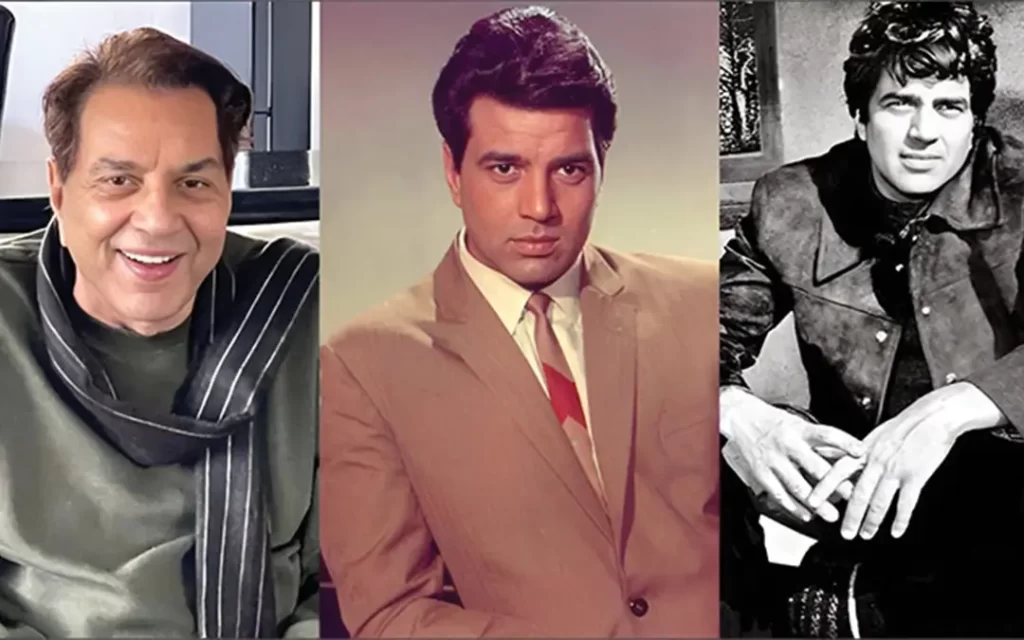
Legendary Bollywood actor Dharmendra, affectionately known as the “He‑Man of Bollywood,” has left behind a monumental legacy that transformed the very notion of stardom in Indian cinema. His journey from rural Punjab to becoming one of the most beloved and enduring actors reflects not just the evolution of an individual, but a golden era of Hindi film itself.
From Punjab’s Heartland to Silver Screen Titan
Born as Dharam Singh Deol in rural Punjab, Dharmendra’s rise to fame began after he won a talent contest in 1960, which opened doors to Mumbai’s film industry. Over a career spanning more than six decades, he acted in over 300 films. Known for his rugged good looks and commanding presence, he became widely celebrated as Bollywood’s “He‑Man” — a title that captured his muscular physique, action prowess, and heroic screen persona.
A Versatile Performer Who Broke Moulds
Dharmendra was not just an action hero. His strength lay in his versatility — shifting seamlessly between genres and delivering memorable performances in dramas, comedies, and romantic films. In Anupama (1966), he played an introspective writer; in Satyakam (1969), he portrayed an idealist disillusioned by corruption.
Yet, it was perhaps his role as Veeru in the 1975 blockbuster Sholay, alongside Amitabh Bachchan, that immortalized him in Bollywood lore. Beyond action, his comic timing shone in films such as Chupke Chupke, while his romantic side flourished in Dream Girl.
A Hero with Heart: Strength Underpinned by Empathy
What made Dharmendra’s stardom truly timeless was his emotional depth. Despite the “He‑Man” image, he was candid, vulnerable, and deeply empathetic — qualities rarely associated with conventional macho actors of his era. His off-screen persona echoed this mix of strength and softness: he openly discussed personal struggles, embraced humility, and remained deeply connected to his roots. Critics have noted that this balance made him relatable, even as he carried a larger-than-life screen image.
Breaking Boundaries — On and Off Screen
Beyond his acting prowess, Dharmendra defied societal norms. He famously married actress Hema Malini in 1980 without divorcing his first wife, Prakash Kaur — a decision that stirred public debate but also underscored his commitment to love over convention. In parallel, he embraced political life, serving as a Member of Parliament from 2004 to 2009. These turns in his life reflected a man unafraid to follow his convictions, whether in art or personal choices.
Legacy That Endures
Dharmendra’s influence continues to resonate across Bollywood and beyond:
- Cultural icon: A generation-defining actor whose charisma and style shaped the macho hero archetype.
- Versatility: A rare blend of action, romance, drama, and comedy — showing that strength need not be one-dimensional.
- Role model: In both his career decisions and personal life, he challenged norms while staying true to himself.
Colleagues and stars across the industry have paid heartfelt tributes, describing his passing as the “end of an era.” Yet his films, his spirit, and his influence live on.
In Conclusion
Dharmendra’s legacy is more than a filmography — it is a testament to how charisma, courage, and authenticity can elevate an actor into a timeless cultural icon. From the rugged action sequences to the tender romantic moments, he changed how audiences perceived stardom, leaving a lasting imprint on Bollywood that will inspire generations to come.