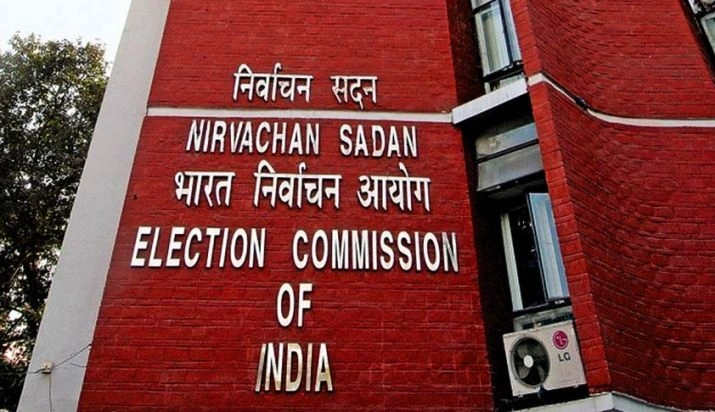
Getting young voters to the polls has always been hard in a country where democracy runs through the blood of more than a billion people. Smartphones buzz with messages and videos, but ballots? Not really. That’s not the case anymore. The Election Commission of India (ECI) launched its latest campaign to get people to vote on April 7, 2026. The campaign is geared directly at young people in the country. The goal of “Vote Karo, Desh Badlo” (Vote, Change the Country) is to get more young people involved in politics—those hard-to-reach 18-29-year-olds who make up over 20% of the electorate—and make it easier for people to register to vote online. The timing couldn’t be better with state elections coming up and national polls coming up soon. Why is this important? Because Indian elections have had poor youth turnout for years, which could lead to a democracy that is shaped more by apathy than desire.
There is more to the campaign than merely banners and slogans. It’s a full-on digital attack aimed at a generation that can’t get enough of screens. Think about engaging apps, social media challenges that go viral, and QR codes that enable you register to vote in less than five minutes. In a time when searches for terms like “online voter ID download” and “young voter awareness India” are skyrocketing, the ECI is putting a lot of faith in technology to close the gap. But will it last? Let’s look at what this means for India’s lively but often divided election scene.
The Youth Voter Puzzle: Why Fewer Young People Vote
The youth bulge in India is a superpower that might be used or wasted. According to the most recent ECI data from the 2024 general elections, there are more than 18 crore voters between the ages of 18 and 29. This group might change the results in important states like Maharashtra, Uttar Pradesh, and Bihar. But their engagement is only about 50–60%, while senior people are 70%. According to ECI statistics, youth turnout in the 2024 Lok Sabha elections dropped to 56% in some urban areas like Delhi and Mumbai. What are the factors? A lack of interest, a lack of trust in politics, and the idea that “one vote won’t matter.” Does this sound familiar?
The new campaign goes right after this. It has famous young people, such cricketers Shubman Gill and influencers from Nashik to Kolkata, telling stories of how voting changed their hometowns. Regional flavors are also important: The push in Maharashtra, where municipal elections are coming up, focuses on water shortages and job programs, linking votes to concrete solutions. A cursory look at the numbers shows the picture:
The trend for national young turnout is going down: 67% in 2019 and 58% in 2024.
The disparity between cities and rural areas: In cities like Bengaluru, just 52% of young people voted, whereas in rural Bihar, 65% did.
Digital divide: Only 40% of people who voted for the first time in 2024 utilized the ECI’s Voter Helpline app.
During the launch, ECI Chief Election Commissioner Rajiv Kumar said it straight out: “Youth aren’t the future; they’re the today.” We need their energy when we vote. The campaign starts with roadshows in 50 cities, partnerships with IITs and state colleges on college campuses, and a special TikTok-style platform for voter photos once they register.
Digital Voter Registration: From Paper Trails to Swipes on Your Phone
No more long lines at city offices. The best part of the campaign is a new digital voter registration system that builds on the NVSP (National Voters’ Service Portal), which has already processed 10 crore enrollments since 2015. With “digital voter registration India” trending and smartphone use on the rise (over 80% among urban young), registering to vote is as easy as purchasing biryani online.
This is how it works in simple steps, straight from the ECI’s playbook:
Scan a QR code or go to voters.eci.gov.in.
You can quickly verify your identity by uploading your Aadhaar, PAN, or driver’s license.
Selfie with a liveness check to stop fakes.
Boom! You have your voter ID in 24 hours, and Form 6 is sent in automatically.
This isn’t a big deal. In three months, pilot testing in Tamil Nadu and Gujarat recruited 5 lakh young voters. The m3Form app lets NRIs and migrants register from anywhere, which cuts down on red tape. But there are still problems: 30% of young people in states like Jharkhand live in areas with no internet. The Election Commission of India has enlisted “Voter Sakhi” volunteers. These are local women, equipped with training to assist citizens via WhatsApp kiosks. In Nashik, Maharashtra, where the initiative first took root, early reports indicate a 25% increase in sign-up speed. This success blends local enthusiasm with a grasp of technology.
From memes to big events, campaign tactics
No one-size-fits-all awareness here. The ECI has gotten creative by using things that young people like. Social media is the starting point: #VoteKaroDeshBadlo has already gotten 2 million views in 24 hours, thanks to AR filters that make your face look like a polling credential. New users get in-game rewards for signing up for “Vote Beats” playlists on Spotify and gaming apps.
It’s boots and all on the ground. Students at Delhi’s JNU and Pune’s Symbiosis stage “Democracy Debates” at university festivals, where they question politicians in real time. In Kerala, beach clean-up drives also double as registration camps, which connects civic responsibility to voting. Here are some bullet points about the rollout:
There are 500 influencers in the “influencer army,” and they are mostly in Tier-2 cities like Nashik and Indore.
School integration: CBSE requires one “voting hour” per term for grades 11 and 12.
Push for accessibility: Braille kits and DVDs with sign language for impaired teens.
You can relate, right? It’s like reading through Instagram and coming across a reel from a local rapper telling you to sign up. The advertisement even nods to global initiatives, including the US’s Rock the Vote, but with a distinctly Indian flavor. Ayushmann Khurrana and a host of other Bollywood luminaries make appearances, delivering lines like, “Voting’s the ultimate narrative twist.”
Real-life consequences: Young voters and the future of India.
The impact is tangible. The composition of the electorate directly influences policy. In 2024, a lack of urban youth participation allowed agricultural laws to remain, despite widespread protests. Presently, the focus of “young voter issues in India” centers on employment opportunities, climate change, and the ethical implications of artificial intelligence. Consequently, discussions about gig economy reforms or the drought affecting Nashik are less prominent. India’s strategy mirrors Indonesia’s 2024 youth mobilization via apps, which boosted voter turnout by 12%.
Closer to home, the 2023 Karnataka assembly elections witnessed a 5% increase in young voters after similar campaigns, which changed the outcome of urban seats.
But issues come up: Can digital technologies defeat fake news and deepfakes? The ECI’s cVIGIL app now warns about bogus news, with help from young moderators. And for the 40% of the group that includes young women, safety-focused “Pink Booths” provide privacy. In Maharashtra’s tribal areas, campaigns in Marathi and tribal dialects try to fill up the gaps.
Have you ever thought about what policies would change first if 80% of young people in India voted? Education loans or green jobs?
Things to Overcome: Apathy, Access, and Trust
There is no perfect campaign. People who don’t like ECI highlight to problems it has had in the past, as the voter list mistakes in Andhra Pradesh in 2024. Digital literacy is low in Bihar’s villages, where 60% of young people don’t have smartphones. Political bias whispers? The ECI says it is unbiased, but the opposition parties want audits.
There is also the “why bother” way of thinking. According to latest NSSO data, inflation is at 5.5% and youth unemployment is at 8%. This makes people cynical. The campaign fights back with “Impact Stories,” which tell the story of how a 22-year-old’s vote in Lucknow’s 2022 bypoll saved a local hospital.