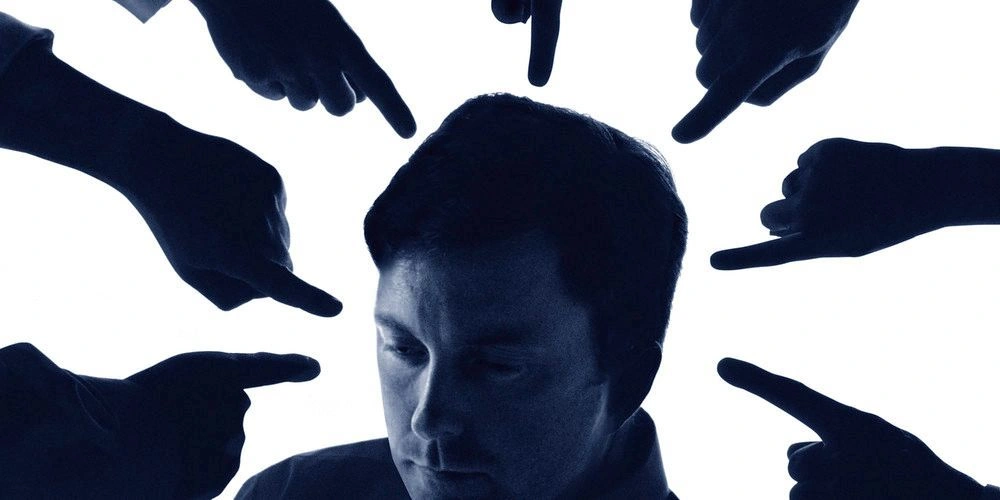
The false consensus effect is a cognitive bias that leads individuals to believe that their opinions on political, health, or social matters align with those of the majority. This bias makes things worse in our globally connected society, from the results of elections to efforts to promote public health.
Learning about the bias
People who have the false consensus effect think that their beliefs, attitudes, and actions are more common than they really are. In a landmark study from 1977, psychologists discovered this phenomena. It highlights how we put our own thoughts on other people, which makes it seem like everyone agrees with us. It’s not just being hopeful; it’s a systematic mistake that happens when you only think about yourself and your own point of view is the only way to see things.
This happens every day, like when a vegan thinks that most people don’t like meat or when a political fanatic feels that their candidate has a lot of support. Research demonstrates that this bias endures across nations and ethnic groups, affecting purchasing decisions and jury outcomes. others feel better about themselves when they think that more others agree with them than they really do. This makes people more sure of who they are and less likely to listen to what others have to say. This is why echo chambers work so well online: algorithms provide people things that match their thoughts, which makes the illusion even stronger.
Effects on Society in the Real World
The false consensus effect influences politics by making it difficult to figure out who will win an election. People who backed Trump thought their group was 10–15% bigger than it really was. This made the allegations of the “silent majority” stronger. Pollsters were shocked that people who wanted to leave the EU also made the pro-Leave side seem stronger.
It makes attempts to improve public health less useful. The regulations didn’t function as well because a lot of people didn’t want to wear a mask during COVID-19. Anti-vaxxers thought that 40% of the people were not immune to herd immunity, whereas it was only 20%. It was harder to encourage folks to get their immunizations because of this.
Companies utilize testimonials in marketing to make it seem like how people feel about something is the same as how popular it is. But social movements like #MeToo made progress by breaking up the false idea that everyone agrees on what harassment is and isn’t. After hearing the tales of survivors, people changed their attitudes right quickly. Corporate boardrooms aren’t safe either. CEOs advocate bad ideas because they assume their colleagues will agree, which has caused big problems when there is a false sense of moral consensus. This makes people less likely to vote, which makes surveys less reliable. It makes health programs, like those that help people stop smoking, take longer. It makes people less reluctant to try new things, like electric cars. And it makes individuals more extremist on social media by establishing echo chambers.
Changes that have happened recently and why they matter in 2026
The false consensus effect and AI-generated fake news will work together in January 2026. Deepfakes and tailored feeds make biased sampling even worse. Research shows that tailored information makes people think that 25% more people agree with climate denial than they really do. “Vast silent majorities” were a big part of President Trump’s campaign for re-election. This struck a chord with a world that was already split beyond 2024.
People are more interested in things that happen all over the world. People blamed negligence for a lot of awful things that happened in late 2025, such a fire at a ski resort. This caused them put off taking responsibility. People who are furious about elite impunity typically imagine that everyone else agrees with them, but they don’t.
In India, health alerts are growing increasingly widespread, and officials are working hard to change the minds of individuals who think vaccines are unsafe. Changes to rules that assume everyone agrees on crime stories could make things worse.
People are talking more about “bias bubbles,” and as the economy becomes worse, more people are looking for fake agreement. People think they are all in the same financial boat since health insurance rates are going up and their pay isn’t going up.
Tips from professionals and techniques to fight back
Daniel Kahneman, a Nobel Prize winner, calls false consensus a “System 1” heuristic and says people should think about it in “System 2.””Experts suggest that “perspective-taking exercises,” including role-reversal conversations, can cut bias by 15 to 20% in the lab.Social media sites utilize “social nudges” to affect how people think by offering them other points of view. A test that changed algorithms brought people together by 12%. Teachers give children exams that show real data, including how only 27% of Americans believe they are liberal, to help them understand how wrong they are about progressives.
To fight back, journalists utilize polls and charts to assist them figure out what is reasonable. Policymakers employ “social norms” to guide their decisions. For example, campaigns to urge people to donate organs increased the number of individuals who did so by 50% by showing that most people did what they were required to do. This changed the attitudes of a small number of people who were wrong.
How to Stop Being Prejudiced:
- Every day, look for new sources so you may receive a wider range of samples.
- to be sure the projections are correct, compare them to polls.
- Use technology that lets you see the news from all sides.”Steel-manning” One method to achieve this is to look at what your opponents are saying.
Broader Consequences for Decision-Making
This bias makes democratic discourse less useful since majorities that are too sure of themselves push minorities to the side, which hinders fresh ideas from coming forth. It makes people imagine that everyone agrees on what to do at work, which is called “groupthink.”
But being aware makes you stronger. Longitudinal studies show that frequent exposure to correct prevalence data makes it less useful over time. The world is in pieces in 2026, with wars between countries and economies that aren’t moving. Finding fake consensus helps individuals get along and understand one other.
We need to be modest to battle it. To get a more true consensus, we need to stop thinking that “everyone thinks like me.” As society grapples with AI amplification and global conflicts, comprehending how to address this prejudice is not merely an option; it is essential for collective advancement.