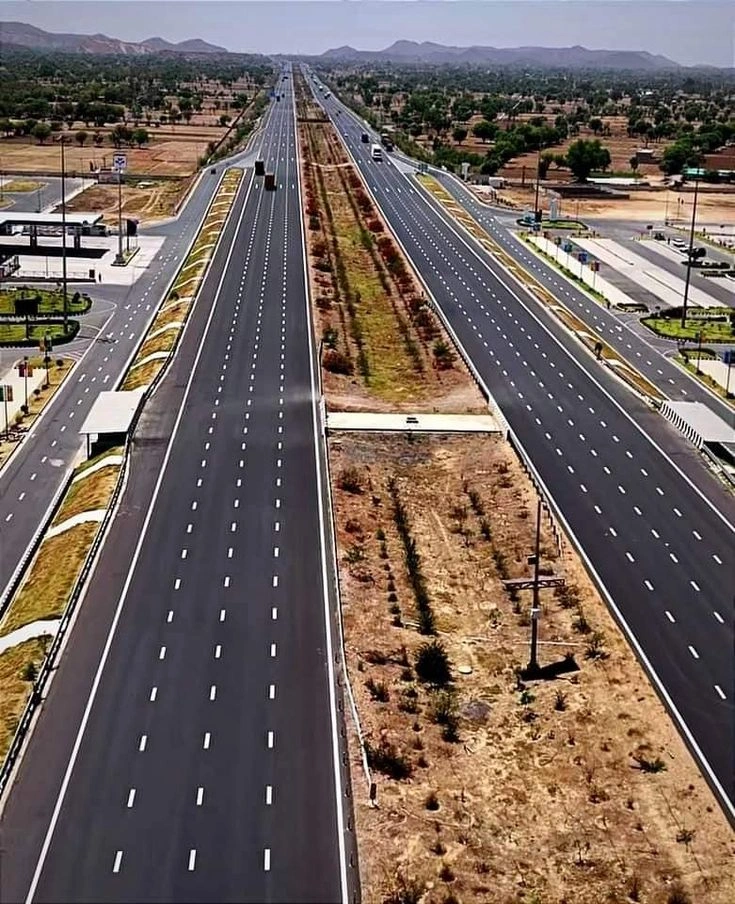
The Delhi-Mumbai Expressway, which will be done in 2026, is a big step forward for the infrastructure of “New India.” It will shorten the long 1,500-kilometer trip between India’s capital and its financial center from more than 24 hours to only 12 hours. This fast lane is one of the longest in the world. Delhi, Haryana, Rajasthan, Madhya Pradesh, Gujarat, and Maharashtra are all connected by it. It also has big side roads to Jaipur, Vadodara, and Ahmedabad. The expressway is part of Prime Minister Narendra Modi’s goal to connect the world in a world-class fashion. It will open in stages throughout the course of 2025 and be fully functional by the middle of 2026. It will help with tourism, logistics, and the economy. This book tells travelers and businesses everything they need to know about using this game-changing road. Now that toll rates are live, state-of-the-art rest stops are available, and travel time savings are estimated to unlock billions of dollars in productivity.
The Incredible Engineering That Went Into the Delhi-Mumbai Expressway
The Delhi-Mumbai Expressway is 1,386 kilometers long. Cars can go up to 120 km/h, and trucks can go up to 100 km/h. It impacts how people get from one city to another in India. The Bharatmala Pariyojana was started by the National Highways Authority of India (NHAI) in 2019. The project has a budget of more than ₹1 lakh crore (about $12 billion). All eight major packages will be finished by 2026. To keep traffic going smoothly, they will have 27 tunnels, 207 bridges, and 657 underpasses.
The well-known Chenani-Nashri tunnel-style parts of Rajasthan and Gujarat were engineered to withstand very bad weather. They also contain special lanes for high-speed rail predecessors, which aligns with the bigger “New India” infrastructure ambitions like the Mumbai-Ahmedabad Bullet Train that will be built soon. The highway has four to six lanes, however in congested places it can have up to eight lanes. It also has smart highway technologies, such as AI-powered traffic monitoring, dynamic signs, and systems for responding to emergencies.
This is more than simply asphalt; it’s a method to help the neighborhood grow. NHAI says that the project will produce 2.5 million direct and indirect employment during construction alone. It will go through important economic areas like Gurugram’s tech parks, Jaipur’s cultural landmarks, Indore’s industrial belt, and Vadodara’s petrochemical corridors.
2026 Toll Rates: Prices That Are Easy to Understand for Easy Travel
People are looking for the toll rates for the Delhi-Mumbai Expressway more than anything else after the inauguration. The tolls are now totally digital, and you can pay using FASTag to get in without cash. A collaboration between the government and the business sector manages the toll plazas. They use RFID technology to do rid of lineups. The prices are established so that the firm can keep making money and people can afford them. The investment should start to pay off in 15 years.
According to NHAI’s official slab system, the following are the most relevant toll rates for light vehicles (cars and SUVs weighing up to 4,500 kg) in 2026:
The complete Delhi-Mumbai journey (1,386 kilometers) costs between ₹1,800 and ₹2,200 one way, depending on the type of vehicle and the time of day (10% more during peak hours from 6 AM to 10 PM).
Delhi to Jaipur spur (376 km): ₹500–₹650.
It costs between ₹1,200 and ₹1,500 to go from Jaipur to Vadodara (via Udaipur).
It costs ₹700 to ₹900 to get from Vadodara to Mumbai, which is 400 miles away.
The price is ₹1.30 for the first 200 km, ₹1.10 for the next 200 km, and ₹0.95 for every 500 km beyond that (with a 10% peak surcharge). The complete trip costs ₹5,000 to ₹6,500 for trucks with two axles (plus a 15% peak extra).
Discounts make the deal even better: frequent users can buy monthly passes for 75% off (for example, ₹50,000 a year for unlimited travel between Delhi and Mumbai); electric vehicles get 50% off to promote green mobility. 20% of the tolls go to local development, such skill centers along the route, while the rest goes to upkeep. Some people think that the first charges are too high for people on a budget, but NHAI claims that the expected 30% savings on gasoline would make up for the costs. This is essential since that crude oil prices are going up.
Rest Stops: Great Amenities for a Stress-Free Trip
No modern highway can do without decent rest areas. The greatest highway in this area is the Delhi-Mumbai highway. It has more than 50 rest spots spread out every 50 to 60 miles. Because they are safe, convenient, and have a local feel, these areas are nicknamed “expressway cities.” They can handle more than 10,000 travelers per day.
Here are some good examples:
Dausa (Rajasthan, kilometer 200): A 100-acre center with a McDonald’s, Starbucks, 50 EV charging stations, prayer rooms, and a medical clinic that is open 24 hours a day. There is enough for 500 trucks to park and Rajasthani thali restaurants.
Kishangarh (350 km): A plaza with a marble design, places for kids to play, yoga tents, and petrol stations that sell CNG and diesel. You can rent sleep pods for ₹200 an hour.
Indore (800 km): The biggest, with 150 acres of convention centers, cheap hotels (OYO integrated), and Poha-Jalebi stores that provide Madhya Pradesh delicacies. It runs on solar energy and can recycle dirty water.
Vadodara (km 1,100): A station with a petrochemical motif that has Gujarat’s dhokla vendors, gyms, and women’s bathrooms with sanitary vending.
Every rest stop must include security cameras, patrols for women’s safety, and the option to arrange via the MyFASTag app. Early reviews give the hygiene a score of 4.8 out of 5. The NHAI is spending ₹5,000 crore on these to make drivers less weary, which is the cause of 20% of highway accidents.
Travelers admire how welcoming it is. There are ramps for persons with disabilities, pet facilities, and cultural merchandise from local artisans that make pit stops feel like little destinations.
Changing how logistics and tourism work to save time on travel
The best thing about it? You can cut your journey time in half or more on the Delhi-Mumbai Expressway. The NH48 trip used to take 24 to 30 hours because of potholes and traffic. Now, cars can get through in 12 hours at an average speed of 115 km/h, while trucks can get through in 14 to 16 hours.
What will happen in the real world:
Passenger cars can now get from Delhi to Mumbai in 12 hours instead of 24, which saves 12 hours and ₹2,000 in gas on every trip.
According to a study by the Federation of Indian Chambers of Commerce & Industry (FICCI), trucks transport goods 40% faster and lower logistics costs by 20–25% (from ₹1.2/kg/km to ₹0.9).
Economic Ripple: Logistics expenses drop by ₹1.5 lakh crore a year, which means that big online stores like Amazon and Flipkart can deliver things on time.
There are more and more tourists. It used to take 6 hours to go to Jaipur’s forts from Delhi, but now it only takes 3.5 hours. In early 2026, traffic was 15% higher, and apps like Google Maps employed real-time toll calculators to figure out the optimal routes.
More Effects on Infrastructure in “New India”
This highway is more than simply a road; it’s the most important aspect of the infrastructure boom of 2026. When you add it to the Bengaluru-Chennai Expressway, which was finished in January 2026 and shortened the trip from 8 hours to 3, it makes a golden quadrilateral enhancement. Analysts at NITI Aayog say that trade will get better and linked fields will grow by 2–3% each year.
There are still obstacles. Getting land is hard, and it won’t be settled until 2025. Also, testing for monsoon resistance is still going on. But it has to include 90% green cover and animal pathways, so it’s a good example of how to build in a way that lasts.
The Full Guide to the Delhi-Mumbai Expressway: Toll rates, rest areas, and huge time savings on travel starting in 2026