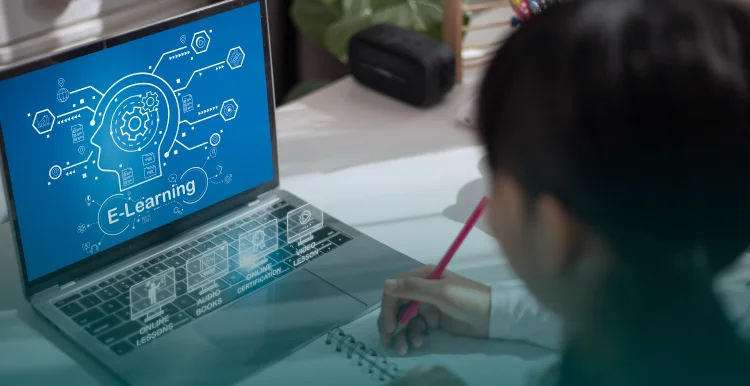
The landscape of education is undergoing a profound transformation as technology increasingly shapes how knowledge is delivered and acquired. Online learning, personalized education, and cutting-edge digital tools are redefining traditional classroom experiences, offering new opportunities to enhance accessibility, engagement, and student outcomes worldwide.
In recent years, online learning has shifted from a supplementary method to a primary mode of education. Advances in high-speed internet connectivity and mobile technology have made virtual classrooms accessible to millions of students and educators globally. The COVID-19 pandemic accelerated this shift dramatically, compelling educational institutions to rapidly adopt remote learning solutions. This transition highlighted both the vast potential and challenges inherent in digital education.
At the forefront of this evolution is personalized learning, an approach that customizes instruction based on the individual learner’s needs, pace, and interests. Unlike conventional one-size-fits-all models, personalized learning leverages artificial intelligence (AI) and machine learning algorithms to analyze student performance data, identify gaps in knowledge, and recommend tailored educational resources. This adaptive strategy fosters a deeper understanding of subjects while motivating learners by addressing their unique strengths and weaknesses.
Technological innovation is a key enabler in this educational transformation. Interactive platforms, virtual reality (VR), augmented reality (AR), and gamification tools are making lessons more engaging and concepts more accessible. For instance, VR allows students to immerse themselves in simulations of scientific experiments or historical events, providing experiential learning opportunities that were previously unimaginable within traditional classrooms.
Additionally, learning management systems (LMS) are streamlining administrative processes and facilitating communication among educators, students, and parents. The data analytics capabilities embedded in LMS platforms allow real-time monitoring of student progress, enabling educators to intervene promptly and provide targeted support.
Despite these promising advances, the future of education faces notable challenges. Digital inequality remains a significant barrier, with many regions lacking sufficient internet infrastructure or affordable access to digital devices. Moreover, educators require ongoing professional development to effectively utilize emerging technologies in their teaching practices. Ensuring robust data privacy and cybersecurity measures in online education environments is also a pressing concern.
In response, governments, educational institutions, and technology providers are investing heavily to bridge these gaps. Efforts to expand broadband access, develop cost-effective devices, and create inclusive educational content are underway globally. Furthermore, the growing emphasis on lifelong learning and workforce upskilling is driving demand for flexible and personalized learning models that cater to a broad spectrum of learners beyond traditional K-12 and higher education.
In conclusion, the future of education hinges on the integration of technology-driven online learning and personalized instructional approaches. As digital tools continue to advance, they promise to unlock unprecedented opportunities for inclusive, engaging, and effective education worldwide. To realize this potential fully, stakeholders must collaborate to address existing challenges and harness technology’s capabilities to prepare learners for the demands of the 21st century.