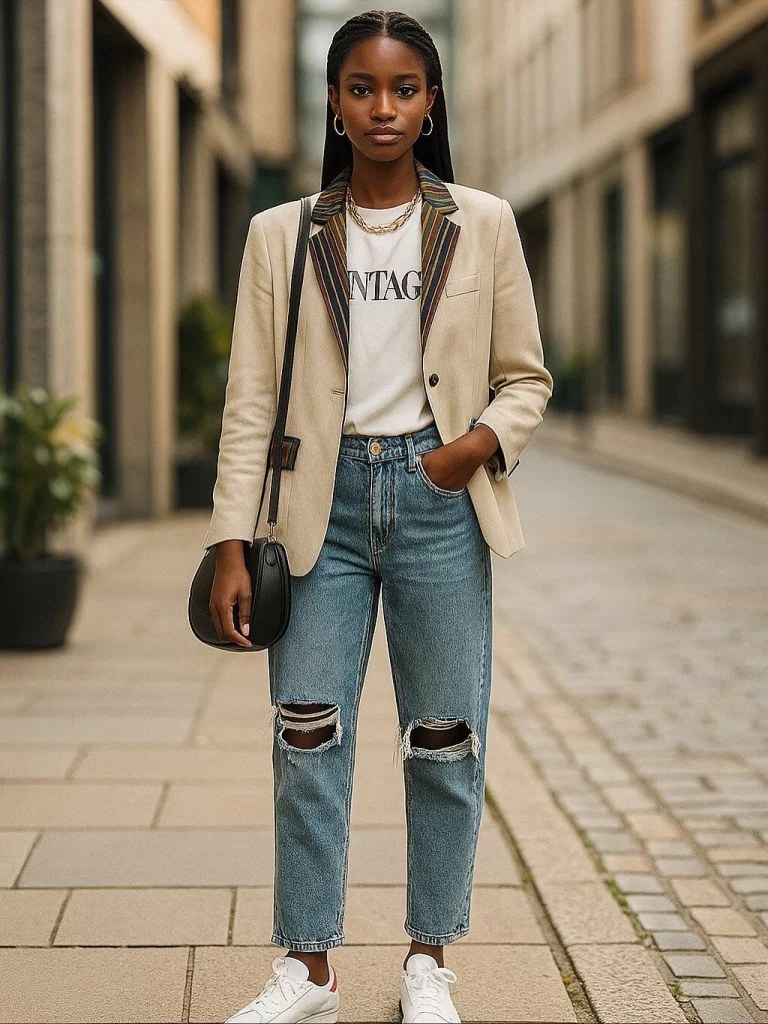
In the blistering summer of 2026, as Indian cities such as Pune, Mumbai, and Delhi baked under temperatures exceeding 42°C, urban professionals faced the daily challenge of maintaining a polished appearance at work, regardless of the heat. “Office mein AC hai lekin commute mein 42 degree – yeh ensembles dono mein kaam karte hain,” a LinkedIn post, which has garnered almost 50,000 saves from professionals aged 25 to 40, stated.
The Rise of Professional Clothing That Can Handle Heat
The summer heat isn’t new for laborers in Indian cities. The India Meteorological Department (IMD) says that the average high temperature in April and May 2026 will be between 40 and 45 degrees Celsius. This change is likely to exacerbate the “commute bottleneck” for the majority of professionals – those who rely on public transport or bicycles, a group that constitutes 70% of the workforce. Deloitte’s 2025 study revealed that 62% of Indian office employees cited discomfort, particularly sweating, as the primary productivity killer. Consequently, the demand for breathable formal fabrics and smart layering strategies increased.
Fashion insiders see this as a global trend, albeit with an Indian flavor: garments that are resilient enough to withstand the monsoon, yet refined enough for the office.
Priya Sharma, a stylist in Mumbai who has dressed C-suite executives for 15 years, says, “The summer workplace look isn’t about giving up style to be alive.” “It’s about fabrics that wick away moisture and layers that can move from the street to the office.” Social media makes this worse. For instance, 78% of LinkedIn users between the ages of 25 and 40 claim that “sweat stain prevention” is the most essential element to them when they choose clothes. #BreathableOfficeWear receives a lot of saves on Instagram Reels for its useful demos.
The Right Layering Strategy: Light Base + Blazer That Is Ready for AC
The best approach to dress for work in the summer is to start with a light cotton base layer and then add a structured jacket. This pair can go from 42°C outside to 22°C indoors without any worries.
Experts suggest that the best basis is cotton or bamboo undershirts that pull moisture away. Sharma says, “Pastel-colored cotton poplin shirts absorb up sweat without being detected.” The National Institute of Fashion Technology (NIFT) says that linen mixes let in 30–50% more air than synthetic textiles. For women, linen-blend kurtas or A-line skirts are equally as breezy and have a cultural touch.
The blazer makes the deal official. Pick unlined variants made of light wool-silk blends. They hang well and don’t hold heat. An Instagram influencer named @UrbanExecStyle provided a tip that went viral: When you’re on the bus, roll up your sleeves and then unfold them for meetings. This plan, which has been seen by 2 million people on a Reel, suggests using neutral hues like blue or beige to make it more flexible.
Some of the most important benefits of this way of layering in the office are:
Thermal regulation: The base layer wicks away sweat, and the blazer adds style without making you heavier.
Versatile: It works for both hybrid workdays and quickly moves from cab to conference.
Pick organic cotton to fit in with the eco-friendly company culture of 2026 and keep your sweat from holding onto microplastics.
Linen, Cotton Poplin, and Rayon Revolution: Formal Fabrics That Breathe
Don’t pick stiff synthetics; breathable formal fabrics are the unsung heroes of getting through the summer at work. The Journal of Textile Science argues that linen blends are the greatest because they are naturally porous, which lets air flow through them and can lower body temperature by up to 2°C.
Cotton poplin doesn’t become wrinkled easily because its sharp weave preserves its shape even after a lengthy trip. Rayon is created from plant cellulose and looks like silk, but it’s more cheaper. This makes it a wonderful choice for professionals who need to save money. Dr. Anjali Menon, a dermatologist in Pune who treats heat rashes every week, says, “Rayon pants and cotton blouses are a great summer work outfit that lets air flow through.” She suggests not to wear polyester since it holds onto bacteria and makes skin problems 40% worse when it’s humid.
Myntra’s summer report for 2026 says that searches for “breathable formal textiles” went up 150% from the previous year, thanks to Gen Z and millennial customers. Tip: To see if a fabric lets air through, hold it up to the light. It’s an excellent one if you can see through it a little.
How to Keep Your Undershirt Free of Sweat Stains: Tips and Fabric Choices
Sweat stains that are easy to see are the quickest way to destroy a professional look. The appropriate undershirts might help you avoid sweat stains. Pick bamboo-charcoal blends that don’t have seams and can hold four times as much moisture as cotton alone. “Put a slim-fit undershirt under your shirt,” Sharma suggests. It will keep things out without making them bigger.
This is even more true if you choose the proper fabric. Darker colors, like navy or charcoal, cover stains better than whites. Arrow and Van Heusen make shirts with antiperspirant in them. These shirts have micro-capsules that exude freshness when you move. “Choose aluminum-free options to protect your pores from getting clogged in humid weather,” Dr. Menon recommends.
For days when a lot is on the line:
Put on antiperspirant before bed to keep your skin dry for 24 hours.
Choose shirts with extra fabric panels under the sleeves so that air can flow.
After work, quickly change into a clean shirt that you keep in your bag.
A LinkedIn thread with 10,000 comments says these hacks help people feel more confident, and users said they had less “wardrobe malfunctions” during presentations.
Closed vs. open summer office shoes, plus insoles that keep your feet dry
When people consider about their summer office style, they often forget about their shoes. But even the greatest clothes can be ruined by humid feet. Closed shoes like leather derbies or loafers make you look professional, but you need insoles that keep your feet dry. Podiatrists say that gel or cork insoles with channels for moisture cut the incidence of fungal infections by 60%.
More and more people are wearing open designs like minimalist sandals or espadrilles to work, but they don’t necessarily look good with dressy outfits. Stylist Sharma says, “For meetings with clients, wear closed-toe shoes.” Loafers with mesh linings that let air in are an excellent middle ground. During Pune’s hot April, when foot sweat is at its maximum, cedar shoe trees absorb up scents overnight.
A quick glance at the options for summer business shoes:
Closed leather loafers are polished and endure a long time, making them great for boardrooms and phone calls with clients.
Breathable mesh derbies: These are light and let air flow effectively, so they’re perfect for firms that are creative.
Anti-sweat sandals: They keep you cool, but you shouldn’t wear them to work due of policy hazards.
Emergency Kit Essentials for Your Office Survival Arsenal
An emergency kit in your desk drawer is a must-have for any summer workplace appearance. You need travel-sized deodorant, face mist to quickly refresh, blotting sheets to control oil, and extra collar stays to fix garments that are starting to wilt.
People who work in cities are buying viral Instagram packs that include handheld fans and cooling gels. “This equipment makes a sweltering commute no big deal,” says a banker in Delhi in a post that has been saved 15,000 times. Dermatologists say that using hypoallergenic wipes can help keep heat boils from happening, which is common when the temperature is 42°C.
Why This Trend Is Growing Quickly Among People Who Work in Cities
It’s not a mistake that LinkedIn and Instagram are linked; it’s a goldmine for those between the ages of 25 and 40. These tactics provide you a quick return on investment (ROI), which implies more focus and fewer sick days due to heat stress, which helps saving rates skyrocket. A Randstad study from 2026 shows that wearing comfortable clothes can make you 25% more productive. That’s why firms are developing wellness programs that pay for clothes that let air flow through them.
Brands are responding: Reliance Trends released a “Summer Office Capsule” composed of linen mixes, and H&M’s Conscious Collection focuses on eco-friendly rayon. Influencers share personal hacks and make them common knowledge.
Conclusion: Your clothes should last for many summers to come.
As climate change makes Indian summers hotter, the summer office style swings from being a trend to a must-have. Professionals may do well in tough situations by learning how to layer for the office, choosing breathable formal fabrics, making sure they don’t get sweat stains, picking smart summer office shoes, and packing an emergency kit. These aren’t just cosmetic fixes; they’re weapons that offer city fighters power.
NIFT states that by 2027, we can expect to witness improvements in fabrics that use AI, such as self-cooling polymers. Start with modest things for now: Tomorrow, trade one of your polyester shirts for a shirt made of cotton poplin. Your work and your mental health will be better off. In a world where heat is the new normal, the greatest way to progress ahead in your profession is to keep calm and acquire respect.
The Layering Strategy Urban Professionals Swear By: Professional Polish That Doesn’t Melt in 42°C Heat