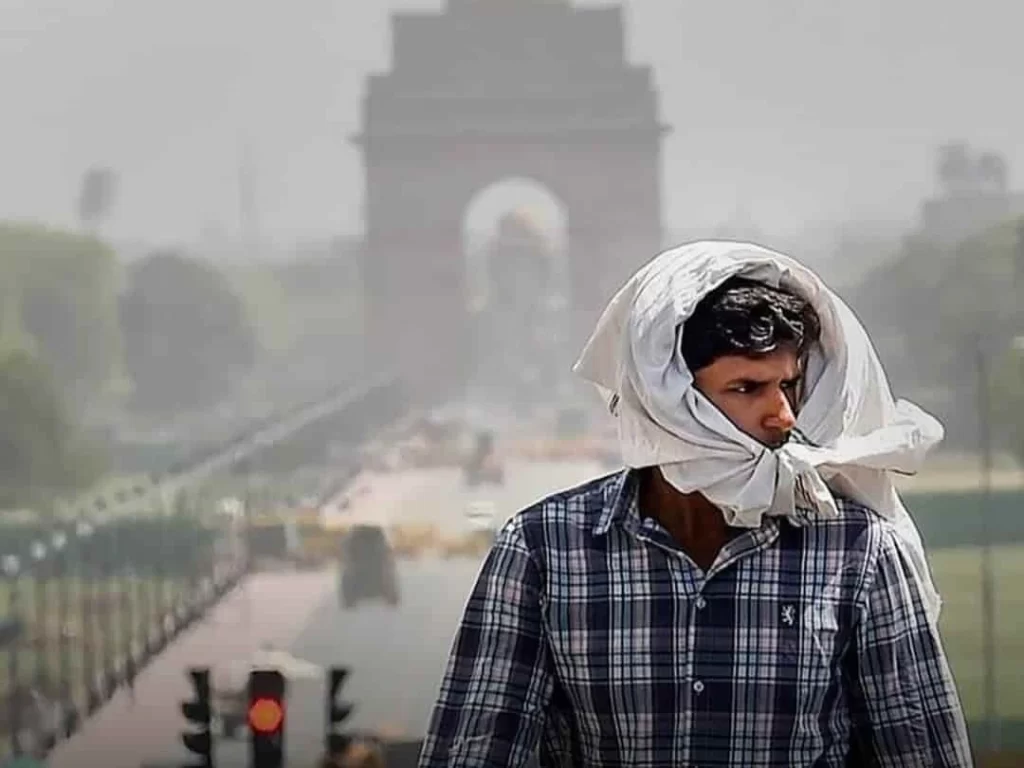
In the blistering Delhi heat of 2026, when the mercury hit a sweltering 45°C, a single individual undertook a daring challenge: three days without the comfort of air conditioning. Their goal? To highlight the severity of the situation.
“Three days in Delhi without AC in 45-degree heat.” “Here’s what I’ve figured out,” she wrote in a social media post that instantly took off, igniting discussions all over the country.
The heatwave that gripped Delhi in 2026 was relentless.
The India Meteorological Department (IMD) recorded temperatures as high as 45.2°C in the city on March 28, which is one of the highest for the season in more than ten years. According to data from the health ministry, this extreme heatwave, which is caused by climate change and the urban heat island effect, has already killed at least 150 people in northern India. Hospitals in Delhi saw a 40% rise in heatstroke cases, which flooded emergency rooms with dehydrated patients, many of whom came from low-income areas.
The experimenter’s situation, which was based on a planned “no-AC challenge,” is similar to the problems faced by people in cities who are poor and don’t have even basic fans.
She started writing about her setup on March 27, while the mercury was rising. By noon, the temperature inside reached 42°C, the humidity stayed at 60%, and the air seemed like a furnace that never stopped. What did she want? To pretend to live without modern cooling, try out old-fashioned and viral cures, and think about how India’s poor people are getting through the Delhi heatwave of 2026 without a break.
This isn’t just a story; it’s a small example of a national problem. The IMD says that the heat will last until mid-April, with nighttime temperatures staying above 32°C, which will keep people from getting enough sleep. For the middle class, air conditioners hum all night; for the poor, it’s a fight against tiredness.
Day 1: Careful Planning and the No-AC Strategy Blueprint
The challenge started with a lot of work, which showed how important it is to plan ahead for living without AC in 45-degree temperatures. Thermometers kept track of the temperature in each room. By 2 PM, the living room was 41°C, while the bedroom was only 39°C since the walls were thicker. The plan used both traditional knowledge and online trends, such as khus curtains, cross-ventilation, earthen pots (matka), moist bedding, and fan optimization.
Important parts of the Day 1 setup:
Khus screens are vetiver grass mats that have been soaked in water and put over windows. This is a centuries-old Mughal-era trick that promises to cool the air by evaporating it.
Cross-ventilation plan: At sunset, windows on opposite sides were cracked open to let in breezes and keep the sun from being too hot in the middle of the day.
Matka hydration stations: Clay pots filled with water that use porous pottery to naturally cool the water down to 10°C cooler than the air around it.
Fan recalibration: The ceiling fans were angled 30 degrees toward the floor, which pulled cooler air up.
What happened was very interesting. According to her readings, khus and cross airflow cut the heat inside by 4°C by nightfall, making it a comfortable 37°C bubble. The matka brought ice-cold water (18°C), which was a lifesaver for staying hydrated. These cheap tricks—khus mats for ₹200 each and matkas for less than ₹100—worked to keep the budget going.
But hope didn’t last long. The garments were so wet that they felt like second skins, and the mental strain grew: irritation rose and focus fell. This setup was similar to what people in Rajasthan’s dry villages have been doing for years, but the concrete jungle of Delhi made the urban heat penalty 5–7°C worse.
What Worked: Hacks That Have Been Around for a Long Time That Really Helped
Not all of the cures were fake. In the middle of the haze, real victors came out, giving everyone hope for summer heat survival tips in India.
Khus and cross ventilation worked together to dependably lower temperatures. Vetiver’s natural oils gave off a refreshing menthol smell, and the right ventilation kept the air from getting stale. In tests, it kept the inside temperature between 35 and 38 degrees Celsius during peak hours, which was 7 degrees cooler without using a lot of electricity.
Matka magic: In addition to drinking, wet matka towels put over necks gave an instant cooling effect, like a primitive air conditioner. The Indian Institute of Technology (IIT) Delhi has done studies that show that clay pots can passively cool water by 15°C, making them perfect for places that are prone to power cuts.
Sleeping on the floor: Switching from a bed to cooler tile floors (5°C lower than mattresses) changed the way I slept at night. A thin cotton sheet that was misted from time to time made the effect stronger.
These aren’t crazy beliefs; science supports them. The National Institute of Disaster Management says that evaporative cooling, like khus, can lower heat stress by 20%. This is important because the Lancet says that 24,000 people die in India every year from heat-related causes. When the power is out for 12 hours, they help people in cities get through it.
What Went Wrong: A Candid Examination of Instagram Hacks
Social media held out the promise of something extraordinary, but the reality proved far more complex.
The experimenter’s honest takedown of viral “Delhi heatwave 2026 hacks” went viral because it was relatable—personal challenge meets honest failure.
Ice pack neck wraps: Frozen bottles lasted 20 minutes before turning into warm sludge, which made the humidity worse.
Onion slices in socks: A TikTok hit that says “reflexology cooling.” What a load of crap. Feet stayed heated, and the scent was awful.
Peppermint oil sprays: The initial menthol sensation faded quickly, leaving behind a tacky film. The temperature didn’t seem to change at all.
This satire hit home and got 500,000 views. It showed how influencer content can get stuck in an echo chamber, where it is typically not tested for extremes of 45°C. Dr. Anjal Prakash, an IPCC contributor, along with other experts, argues that these hacks amount to little more than “gimmicks that distract from systemic fixes.”
They suggest evidence-based alternatives like khus cooling techniques instead.
Sleep Experiment: Fighting Nighttime Heat to Stay Alive
The real trouble was at night. With temperatures dropping to 33°C, sleep deprivation was a real threat—a killer during heatwaves, according to WHO research that linked it to a 30% increased risk of death.
Tiles won by a wide margin, being 4°C colder and not holding heat as well.
Wet sheet protocol: A wet cotton sheet over the body, fanned hard, made it feel 10°C cooler for two hours.
Optimizing the fan angle: Pointing the blades toward the ceiling brought hot air down, but after midnight, reverse mode (drawing cooler air in) worked better.
What are the results? Four hours of broken sleep every night—better than expected, but not enough to make me feel better. This is like how people in slums live, where they sleep on rooftops and share fans.
The Stark Class Divide: How India’s Poor Get By Without Help
The most basic lesson from the experiment cut through India’s class barrier during the heatwave. The challenger could go back to AC after Day 3, but 60% of Delhi’s 20 million residents—slum dwellers, daily wage workers, and street vendors—face this every day. Because there wasn’t enough air flow, the temperature in places like Yamuna Pushta reached 48°C. There were no khus or matkas, just open shanties.
The statistics paint a grim picture.
A 2025 NSSO survey revealed that 70% of households in the lowest income bracket lacked fans, much less air conditioning.
NGDRR estimates that 80% of the people who died in the heatwave were from underprivileged communities.
According to AIIMS, women and children are the most affected; pregnancy problems are 25% more likely in the heat.
Migrant workers on construction sites work 10 hours a day in the sun and then pass out from hyponatremia. There are government heat response plans, like wet-bulb alarms and shaded bus stops, but they aren’t being put into effect yet. Last week, comparable waves killed 500 people in Bihar and Uttar Pradesh. The underprivileged come up with new ideas, like jute blinds and community water stations. But without changes in policy, like subsidized cool roofs or ubiquitous electrification, survival is still a chance.
Voices from the ground make this much louder. Ravi Kumar, a construction worker from Okhla, said, “We sleep on the sidewalk for the breeze; air conditioning is for sahibs.”” Activists want “heat justice,” which they say is related to climate inequality because India’s emissions are low and its susceptibility is high.
Three days without air conditioning in Delhi’s 45°C heat showed the harsh realities of India’s class divide during the heatwave.