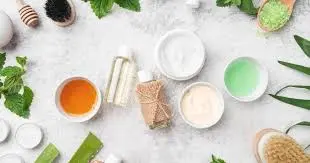
The skincare landscape is undergoing a marked transformation in 2025, as consumers increasingly favour natural skincare ingredients that deliver efficacy alongside sustainability. As demand for plant-based formulas and clean beauty surges, brands and researchers alike are spotlighting botanical actives that not only meet current aesthetic expectations but also align with ethical sourcing and gentle performance. In this evolving environment, certain ingredients are rising to prominence and reshaping how skincare routines are curated and marketed.
Among the leading trends, the fusion of nature and science in skincare is especially noteworthy. Ingredients such as Bakuchiol — a plant-derived retinol alternative — have gained traction for delivering anti-ageing benefits without the irritation commonly associated with synthetic retinoids. Similarly, Centella Asiatica, popularly known as “Cica,” has emerged as a calming hero ingredient, repairing skin barriers and soothing inflammation in sensitive-skin formulations. Other botanical extracts like Licorice root and Mulberry plant are being incorporated for brightening and pigmentation correction, reflecting a stronger consumer focus on tone-evening and skin health.
The trend toward bio-fermented skincare ingredients is also gathering speed. Fermentation processes help break down the molecular size of actives, increasing skin absorption and efficacy, and are being leveraged in serums, moisturisers, and masks alike. Meanwhile, sustainability considerations are no longer an optional extra — brands are emphasising wild-crafted botanicals, minimal packaging, and transparent sourcing to appeal to eco-conscious consumers. In the Indian market particularly, the resurgence of Ayurvedic and indigenous plant-based actives is a strong undercurrent: ingredients such as sea buckthorn, amla, and sal-leaf extracts are being rediscovered for their multi-functional skin benefits.
Beyond the ingredient list, the manner of formulation is evolving. “Skinimalism” — the notion of streamlined skincare routines using fewer multi-purpose products — is increasingly adopted, meaning that standout natural actives must perform well across functions like hydration, barrier repair, and anti-ageing. For brands and developers, the challenge now lies in maintaining the botanical authenticity of ingredients while subjecting them to scientific validation and reproducible performance. Transparency in sourcing and efficacy claims is emerging as a differentiator in a crowded marketplace.
As 2025 unfolds, the adoption of natural skincare ingredients is no longer a niche preference — it is shaping mainstream routines and product development. From plant-based retinol alternatives and fermentation-derived botanicals to indigenous Ayurvedic extracts and sustainability-driven sourcing, the horizon for skincare has broadened. For consumers, this means greater choice, fewer compromises, and more informed decision-making. For brands and formulators, it signals a strategic imperative: to combine nature, science, and transparency in order to meet a rising standard. Ultimately, the winners will be those who can deliver proven performance, ethical integrity, and a clear value proposition in the era of clean, conscious beauty.