
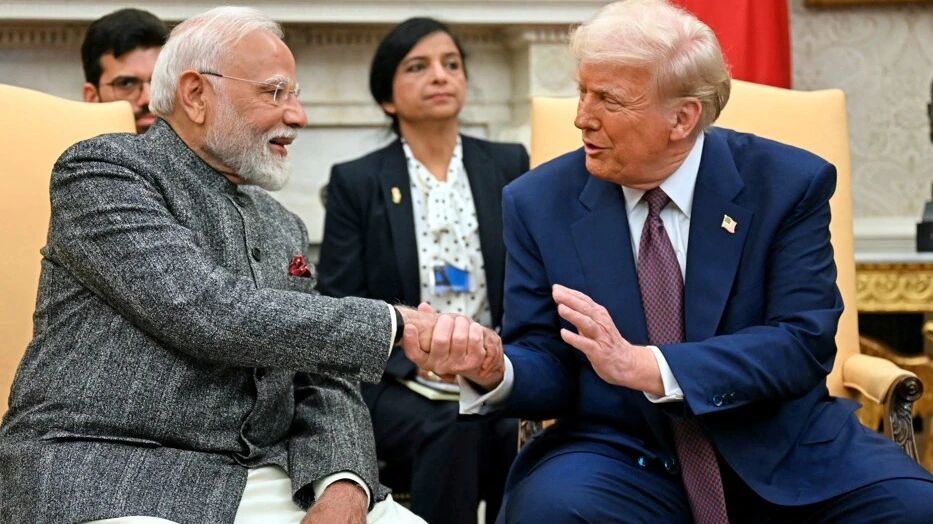
September 2, 2025 – Former U.S. President Donald J. Trump has publicly criticized trade relations between the United States and India, claiming that India recently offered to eliminate tariffs on American goods but that the proposal came “too late.” Speaking on his social media platform Truth Social, Mr. Trump described the U.S.-India trade relationship as “a totally one-sided disaster” and also expressed disapproval over India’s continued purchase of Russian oil.
According to Mr. Trump, U.S. exporters have long faced high tariffs in India, limiting opportunities for American businesses in one of the fastest-growing global markets. He suggested that India’s recent offer to remove tariffs does little to correct decades of imbalance in trade, calling the delay a missed opportunity for the United States.
In addition, the former president criticized India’s import of Russian oil, saying it undermines U.S. strategic interests amid ongoing geopolitical tensions. While he did not provide detailed statistics, his remarks highlighted longstanding concerns over trade fairness and energy alignment between the two nations.
Trade experts note that India is a significant purchaser of U.S. products, including machinery, aircraft, and agricultural commodities. Yet, high tariffs and regulatory challenges have historically hindered American exports. Analysts say that if India’s tariff reduction offer is implemented, it could create new opportunities for U.S. businesses, although the timing and scope of any changes remain uncertain.
Mr. Trump’s comments follow a series of statements criticizing past U.S. administrations for what he perceives as unfavorable trade deals. Observers say his remarks reflect a continued emphasis on U.S. economic protectionism and the demand for more reciprocal international trade arrangements.
Indian officials have previously indicated that trade negotiations are ongoing and that both countries aim to strengthen economic ties. India has also emphasized the need to maintain a diversified energy supply, which includes purchasing oil from multiple countries to ensure domestic energy security.
As discussions continue, experts suggest that tariff reductions and energy procurement policies will be key factors shaping the future of U.S.-India trade relations. Meanwhile, Mr. Trump’s latest comments are likely to fuel domestic debate on the nation’s approach to emerging markets and global partnerships.

