
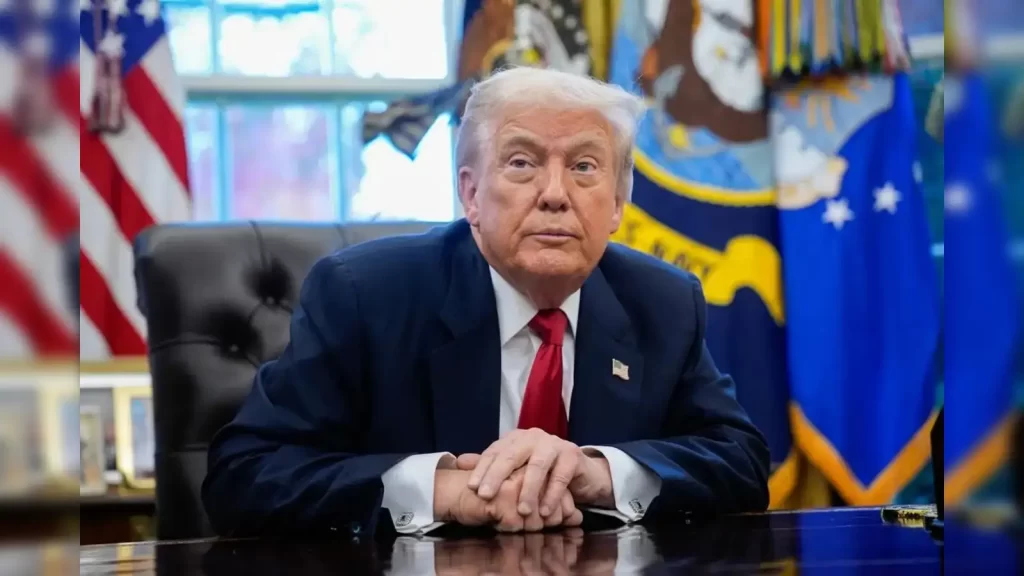
In a decisive shift in U.S. counterterrorism policy, President Donald J. Trump on November 24, 2025, signed an executive order directing federal agencies to begin the formal process of designating certain chapters of the Muslim Brotherhood as Foreign Terrorist Organizations (FTOs) and Specially Designated Global Terrorists (SDGTs). The move marks the most significant U.S. action against the influential Islamist movement in years and could reshape diplomatic dynamics across the Middle East.
A Targeted Approach to a Transnational Network
The executive order mandates the Secretary of State and the Secretary of the Treasury, in consultation with the Attorney General and the Director of National Intelligence, to produce a detailed assessment within 30 days. Following this, the administration must decide within a 45-day window whether specific Brotherhood chapters in Egypt, Lebanon, and Jordan merit formal designation under U.S. terrorism laws.
The administration asserts that these chapters have engaged in activities that “threaten American interests,” including alleged support for Hamas, involvement in rocket attacks, and public incitements to violence by senior leaders. The order reflects an effort to distinguish between the broader Muslim Brotherhood ideology and particular branches accused of operational ties to militant organisations.
Strategic and Political Motivations
U.S. officials describe the initiative as part of a broader strategy to disrupt extremist financing, weaken transnational networks, and enhance national security tools. If designations proceed, the United States would gain expanded authority to freeze assets, impose sanctions, restrict travel, and prosecute individuals who provide material support to the named chapters.
The move aligns with legislative pushes such as the Muslim Brotherhood Terrorist Designation Act, introduced earlier this year, which sought to compel federal recognition of the group’s militant links.
Broader National and State-Level Context
The executive order comes amid heightened domestic scrutiny of organisations with alleged ties to the Muslim Brotherhood. In Texas, Governor Greg Abbott recently declared both the Muslim Brotherhood and the Council on American-Islamic Relations (CAIR) as terrorist organisations under state law. This rare state-level designation bars affected entities from owning property and could enable other legal actions. CAIR has challenged the designation in court, calling it an unconstitutional overreach.
Regionally, the impact of the U.S. move could be considerable. The Muslim Brotherhood, founded in 1928, maintains diverse political and social roles across the Middle East. While banned in Egypt, it operates differently in countries like Jordan and has long influenced ideological and political currents across the region.
Potential Impact: Risks and Consequences
Observers warn that the designations could escalate diplomatic tensions, particularly given the Brotherhood’s political footprint in multiple nations. Critics argue that targeting ideological movements—rather than strictly militant factions—may risk conflating political opposition groups with terrorist entities, creating long-term implications for regional stability and U.S. partnerships.
Still, supporters contend that the order corrects longstanding gaps in U.S. policy by directly addressing organisations accused of facilitating violence and extremism.
Summary and Outlook
President Trump’s executive order marks a pivotal moment in U.S. counterterrorism strategy, shifting from years of broad debate to a concrete, chapter-specific evaluation process. As the mandated reviews proceed, the world will closely monitor whether the U.S. ultimately designates the Brotherhood’s Egypt, Lebanon, and Jordan chapters as terrorist organisations — a decision poised to influence global counterterrorism efforts and reshape geopolitical alliances in the months ahead.

