
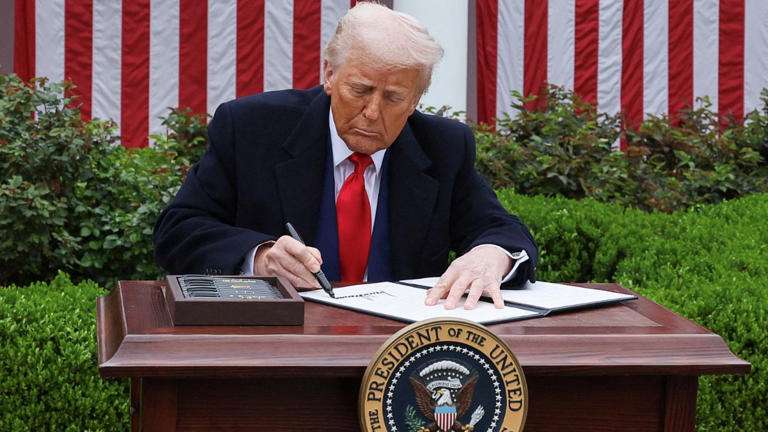
With the U.S. presidential elections on the horizon, former President Donald Trump has stirred global economic tensions by sending stern letters to 12 foreign nations. The message is clear: accept new trade terms that favor the United States or face steep tariffs. As the July 9 deadline nears, the international community is closely monitoring what could become a major shift in global trade dynamics.
Trump’s latest move is seen as part of his aggressive push to bring trade back to the center of U.S. policy discussions. The letters, described by insiders as “take it or leave it” offers, warn the recipient countries of immediate tariff hikes if they do not agree to renegotiated trade terms. This signals a potential return to Trump’s trademark protectionist stance that defined much of his first term.
Though the full list of countries hasn’t been confirmed, several reports suggest that China, Germany, Japan, Mexico, Vietnam, and South Korea are among those targeted. These nations are known to have trade surpluses with the United States and were previously in Trump’s crosshairs during his first administration.
This development has reignited the debate on protectionism versus global cooperation. Trump argues that these measures are necessary to protect American manufacturers and workers from what he considers unfair trade practices. During his previous term, he had imposed tariffs on various foreign goods including steel, aluminum, and electronics, which led to countermeasures from multiple countries.
Supporters believe the ultimatum tactic is a smart negotiation strategy. “It’s about rebalancing the playing field for American industries,” said a campaign spokesperson. “President Trump is putting U.S. interests first, just like he promised.”
However, critics warn of the long-term damage such a move could cause. Economists and trade experts suggest that sudden tariff increases may trigger retaliatory measures, disrupt supply chains, and lead to higher prices for American consumers. A senior policy analyst noted, “Short-term political wins may come at the cost of long-term economic damage.”
The July 9 deadline puts added pressure on the affected nations to either initiate urgent negotiations or risk facing immediate economic penalties. It also raises significant stakes for the global economy, particularly in a time when trade is recovering from the impacts of the COVID-19 pandemic and geopolitical tensions.

