
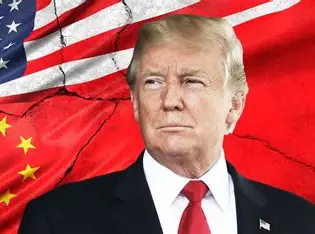
In a dramatic turn of global trade events, former U.S. President Donald Trump has imposed a 35% tariff on textile imports from Bangladesh. The move has sent shockwaves across international markets, particularly affecting the South Asian textile industry. Indian textile stocks responded swiftly, witnessing a surge of up to 15% in intraday trading as investors bet on India stepping into the void created by the new U.S. tariff policy.
The decision is part of Trump’s renewed protectionist agenda aimed at boosting domestic manufacturing and reducing reliance on foreign imports. The 35% tariff on Bangladeshi garments, announced during a campaign speech in Michigan, was justified on grounds of “unfair labor practices” and the need to restore “balance” in U.S. trade relationships.
Following the announcement, major Indian textile companies such as Welspun India, Arvind Ltd, Raymond, and KPR Mill experienced a sharp rise in their stock prices. Analysts believe the Indian textile industry stands to gain significantly as U.S. retailers and wholesalers seek alternatives to Bangladeshi suppliers.
“The U.S. move is a clear opportunity for India’s textile sector,” said Radhika Mehta, Senior Analyst at Motilal Oswal. “We anticipate increased order inflows for Indian exporters in the coming months.”
Bangladesh, the world’s second-largest apparel exporter after China, heavily depends on the U.S. market for its garment exports. Officials in Dhaka have condemned the decision, calling it “unwarranted and discriminatory.” The Bangladesh Garment Manufacturers and Exporters Association (BGMEA) warned that the tariff could severely impact employment in the country’s textile sector, which employs over 4 million people.
In contrast, India’s textile industry—already one of the world’s largest—appears well-positioned to step in. Experts point to India’s robust manufacturing base, favorable trade relations with the U.S., and ongoing government support through the Production Linked Incentive (PLI) Scheme for textiles.
Industry leaders have urged the Indian government to seize the opportunity by ensuring smoother logistics, enhancing port infrastructure, and streamlining customs procedures.
“If we act decisively, this could lead to a significant expansion of India’s presence in the U.S. textile and apparel market,” said Rahul Mehta, President of the Clothing Manufacturers Association of India (CMAI).
Bangladesh is reportedly considering taking the matter to the World Trade Organization (WTO), although the outcome of such a challenge remains uncertain and could take years to resolve.
As the global textile landscape shifts, the next few quarters will be crucial in determining whether India can sustainably capitalize on this unexpected trade disruption. Investors, policymakers, and exporters alike are watching developments closely.

