
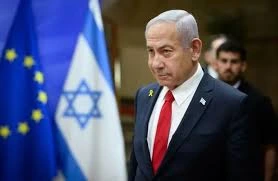
On November 8, 2025, the Istanbul Chief Public Prosecutor’s Office in Turkey announced arrest warrants for Israeli Prime Minister Benjamin Netanyahu and 36 senior Israeli officials on charges of genocide and crimes against humanity in the Gaza Strip. The move marks a dramatic escalation in Turkey’s legal and diplomatic confrontation with Israel amid the ongoing Gaza conflict.
The Turkish prosecutors accused Netanyahu and his government of systematically perpetrating genocide and crimes against humanity in Gaza, citing the destruction of the Turkish-Palestinian Friendship Hospital built by Turkey and other alleged violations of international law. Among those named in the warrants are Israeli Defence Minister Israel Katz, National Security Minister Itamar Ben-Gvir, and Chief of Staff Eyal Zamir. The charges were filed under Turkey’s universal jurisdiction law, which permits legal action against individuals accused of committing grave international crimes regardless of where those crimes occurred.
Turkey’s decision follows years of increasing diplomatic strain between Ankara and Tel Aviv, largely centered on Israel’s military operations in Gaza. The Erdoğan administration has consistently voiced strong opposition to Israel’s actions, frequently describing them as war crimes. Earlier this year, Turkey formally supported South Africa’s case at the International Court of Justice accusing Israel of genocide. The issuance of these arrest warrants reinforces Turkey’s position as one of the most outspoken critics of Israel’s conduct in the Gaza conflict.
Israel swiftly rejected the warrants, dismissing them as politically motivated and labeling them a “public relations stunt.” Israeli officials argued that Turkey’s actions undermine diplomatic channels and reflect bias rather than genuine concern for international justice. Foreign Minister Gideon Saar condemned the move as “contemptible,” asserting that Israel would not cooperate with what it views as an illegitimate political maneuver.
Despite Israel’s strong response, the warrants carry symbolic significance and could have wider diplomatic implications. While the likelihood of any arrests remains minimal—given the absence of an extradition treaty between Israel and Turkey—the legal action underscores a growing global trend toward the use of universal jurisdiction in cases involving alleged war crimes and crimes against humanity. The move also deepens Turkey’s isolation from Western allies who have largely refrained from taking similar actions against Israel, despite ongoing criticism of the Gaza war.
Diplomatic experts suggest the development could further strain Turkey-Israel relations, which have fluctuated between reconciliation efforts and renewed tensions in recent years. Ankara’s bold stance is likely to resonate strongly among nations sympathetic to the Palestinian cause, while simultaneously complicating regional geopolitics amid ongoing efforts toward normalization between Israel and Arab states.
Turkey’s issuance of arrest warrants against Benjamin Netanyahu and other Israeli leaders represents one of the most assertive legal challenges to Israel’s wartime conduct in Gaza to date. Although the enforcement of these warrants remains uncertain, the decision signals a significant moment in the global conversation about accountability, sovereignty, and international justice. As the Gaza conflict continues to evoke international outrage, Turkey’s actions may set a precedent for how states leverage domestic laws to address alleged crimes committed beyond their borders.

