
July 12, 2025 —
In a moment of national pride and cultural significance, UNESCO has officially included twelve forts associated with Chhatrapati Shivaji Maharaj in its World Heritage list. The decision was announced during the 46th session of the UNESCO World Heritage Committee, hosted in New Delhi.
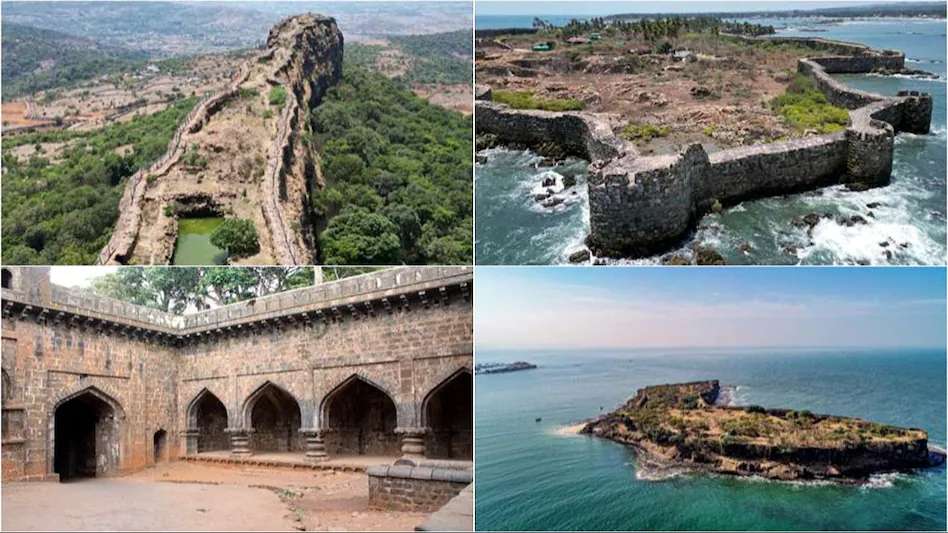
The list includes prominent hill and coastal forts spread across Maharashtra: Shivneri, Rajgad, Lohagad, Torna, Raigad, Pratapgad, Sindhudurg, Vijaydurg, Padmadurg, Khanderi, Suvarnadurg, and Alibag. These structures, many of which are situated in the Sahyadri mountain range or along the Arabian Sea, represent various stages of Maratha strategic development and architectural planning.
UNESCO’s committee acknowledged the forts as outstanding examples of military architecture tailored to natural terrains. Their design illustrates how fortifications were constructed to adapt to rocky elevations, dense forests, and coastal defense needs — reflecting the Maratha Empire’s ingenuity during the 17th century.
Among the most prominent is Shivneri Fort, the birthplace of Shivaji Maharaj, which symbolizes the origin of a leadership that later challenged powerful empires. Raigad, known as the capital of his rule, and Rajgad, an earlier administrative center, reflect the core of his governance. Sea forts like Sindhudurg and Suvarnadurg stand out for their contribution to India’s early naval strength, a domain rarely emphasized during that era.
Each fort was designed not only for military purposes but also for self-sustainability. UNESCO noted their water systems, storage facilities, and natural camouflage as key factors in their selection. These forts, collectively, offer insight into Shivaji’s visionary approach to state-building, warfare, and autonomy.
Reacting to the international recognition, Maharashtra Chief Minister Eknath Shinde said, “This acknowledgment is a tribute to the bravery and strategic genius of Chhatrapati Shivaji Maharaj. It reaffirms the global importance of Maharashtra’s heritage.”
Union Culture Minister G. Kishan Reddy praised the listing, saying, “India’s historical richness continues to receive international acclaim. The addition of these forts is not only an honor but also a responsibility to protect and promote them through sustainable efforts.”
Historians and conservationists have also applauded the move, emphasizing that this global status will enhance funding opportunities, drive cultural tourism, and promote educational interest in the Maratha period. Experts, however, advised caution in balancing tourism and preservation, urging authorities to introduce controlled visitor systems and regular maintenance plans.
This recognition adds to India’s growing list of World Heritage Sites, bringing the total to 43. It also aligns with ongoing efforts by the Ministry of Culture and the Archaeological Survey of India (ASI) to elevate historical sites with global value to international platforms.
Following the announcement, the Maharashtra government indicated that it will increase investment in restoration, infrastructure, and digital outreach around these heritage sites. Initiatives such as curated heritage walks, multilingual signage, and interactive visitor centers are reportedly in the pipeline.
The UNESCO listing has not only brought these forts into global focus but has also revitalized public interest in Shivaji Maharaj’s leadership model, which emphasized resilience, inclusive governance, and regional empowerment.

