
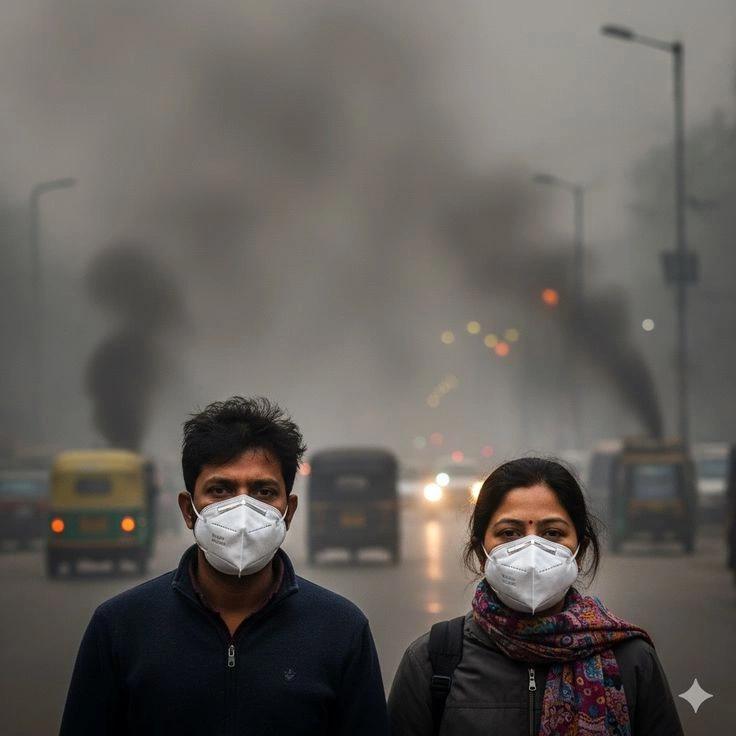
The UN has issued a strong warning: the world’s food supply chains are breaking down because of climate change and never-ending wars. A recent report from the UN said that millions of people are going hungry because of extreme droughts, terrible floods, and violent wars. This isn’t a problem that will happen in the future; it’s already affecting farms, marketplaces, and dinner tables all across the world, from rural India to war-torn Ukraine. With food costs rising around the world and shortages on the way, the question is: how long can we ignore the cracks until they break our plates?
The UN’s Urgent Call to Action
Last month, the Food and Agriculture Organization (FAO) and other UN organizations made a shocking report. They created a picture of agricultural supply chains being broken up on a scale we haven’t seen in decades. The main problem is climate change, which causes bad weather that destroys crops overnight. Think of the constant heat waves in South Asia or the devastating floods in East Africa. Things that used to happen only once a year are now a pain every year.
Conflicts make things worse. Exports of wheat, sunflower oil, and fertilizers have dropped since Russia invaded Ukraine, which is now in its third year. Before the conflict, Ukraine grew 10% of the world’s wheat. Now, those fields are empty or blasted out. What are the effects? Prices for bread are going through the roof in areas like Egypt, and there are bread riots in other regions of the Middle East.
But it’s not just chatter. The UN research says that 783 million people were hungry in 2025, up from 720 million the year before. That’s almost one out of ten people going to bed hungry. This global problem comes close to home in India, where more than 1.5 billion people need food. Climate changes that cause monsoon failures have already made it harder to grow rice and wheat in states like Maharashtra and Bihar.
The Silent Crop Killer: Climate Change
Let’s break it down. Climate change isn’t just a theory; it’s changing agriculture in terrible ways. Rising temperatures put stress on important crops like rice, maize, and wheat. According to a report from the Intergovernmental Panel on Climate Change (IPCC), worldwide maize yields could drop by 7.4% for every degree Celsius of warming. If emissions don’t go down, we’ll be at 1.5 degrees over pre-industrial levels by 2030. Right now, we’re at 1.1 degrees above pre-industrial levels.
Droughts happen all the time now. In 2025, a heat dome covered India’s northwest, lowering wheat production by 5% in important growing areas. Farmers in Punjab, the breadbasket, saw their fields break open. Meanwhile, irregular rains inundated Bangladesh’s rice farms, forcing 2 million people to leave their homes and damaging the crops.
The heat is also great for pests. Insects like locusts can breed without any problems in warmer winters. East Africa’s swarms from 2020 to 2022 ate crops worth $2.4 billion. This is happening again now because of climate change.
Are sea levels going up? That makes the coastal farms salty. The Sundarbans, which India and Bangladesh share, are home to many shrimp farms but few rice fields. Smallholders lose their jobs, which forces them to move to cities that are already full.
What does this signify for the supply chain? Ports get backed up with late shipments, trucks sit idle during floods, and storage silos decay as the humidity rises. The UN thinks that climate change could make 80 million more people undernourished by 2030. Have you ever thought about how a typhoon halfway around the world might affect your next grocery bill?
Wars and political tensions are messing up food flows.
Wars don’t just kill people; they also make them hungry. The black soil of Ukraine, which used to feed 400 million people around the world, is now a battleground. According to FAO data, exports fell by 50% in 2024. Russia, which made 15% of the world’s fertilizer, was hit with sanctions that raised prices by 60% for farmers elsewhere.
The Middle East is also hot. The civil war in Yemen has made 17 million people food insecure, and Houthi strikes on shipping in the Red Sea have slowed down grain deliveries. Since 2023, Sudan’s war has forced 10 million people to leave their homes, destroyed farmland, and stopped help from getting to them.
Even tensions that aren’t conflict are bad. Trade fights between the US and China are slowing down the flow of soybeans, which are important for oil and animal feed. India stopped exporting wheat in 2022 to safeguard its own supplies during heat waves. This caused prices around the world to go up by 20%.
These problems build on each other. Is there a lack of fertilizer in Brazil’s soy fields? That implies chicken will cost more all throughout the world. Conflicts break up supply networks, making them take longer routes that use more fuel and release more carbon. This is paradoxical because climate change is what fuels the cycle.
This means that India will have to buy more edible oils, even though it wants to be self-sufficient. Last year, the price of palm oil went up by 30%, which hurt household finances in a country where grains and oils make up 60% of calories.
Finding the Hotspots: Where Hunger Hurts the Most
The pain isn’t even. Here’s a short look of areas that are weak:
According to the UN, 282 million people in Sub-Saharan Africa are hungry. Droughts in the Horn of Africa destroyed 40% of the 2025 harvests, and Somalia declared famine again.
India and Pakistan in South Asia are facing two threats: floods in the east and droughts in the west. 224 million people are undernourished, with women and children being the worst off.
Middle East/North Africa: In places like Syria and Gaza, where there is a lot of fighting, 50% of wheat imports are stopped.
El Niño floods destroyed Peru’s quinoa and Central America’s crops in Latin America.
India shows how strong people can be in times of trouble. Government programs like PM-KISAN give cash to 110 million farmers to help them deal with shocks. But small farmers, who own 80% of India’s crops, are still in debt and are at the mercy of the weather.
India’s Frontline Battle Against Hunger
You can really sense this in Nashik, Maharashtra. In 2024, the state banned onion exports and there were unseasonable rains, which caused too much supply and prices to drop. In early 2026, India’s food inflation was around 8% across the country, which hurt the middle class in cities.
But there are signs of development. The National Food Security Act gives 800 million people subsidized grains. Tech helps too. For example, drones survey fields in Rajasthan that are likely to dry up, and AI predicts when pests would show up. Millets, once overlooked, are now hailed as “superfoods,” a designation earned through their resilience to drought and their nutritional benefits. The International Year of Millets in 2023 spurred a 15% increase in their production.
Building relationships with other nations is essential. India’s provision of wheat to Ukraine and Afghanistan showcases its soft power.
Relying heavily on imported pulses and oils, however, leaves you exposed.
Consider this: Russia supplies half of the sunflower oil purchased by the United States.
There are still problems. The Green Revolution’s legacy is at danger because of the loss of groundwater in Punjab. Farmers are protesting for better prices because of climate change. Can India export goods while still feeding its increasing population? That’s the line.
Innovation and Adaptation: Signs of Hope
Not everything is bad. Farmers change. Drought-resistant maize seeds in Kenya produce 30% more. ICRISAT in India breeds chickpeas that can handle heat.
Precision farming is taking off—satellites keep an eye on soil moisture, which cuts water use by 20%. Vertical farms in Singapore grow greens all year round, so you don’t have to worry about the weather.
Changes in policy too. The UN supports “climate-smart agriculture,” which combines cutting emissions with making farms more resilient. Carbon farming pays farmers to store CO2 in the ground.
Trade agreements like RCEP could make supply chains in Asia more stable. Blockchain keeps an eye on grains from the field to the table, stopping fraud.
Solar pumps water fields that aren’t connected to the grid in India, and apps like Kisan Suvidha send out weather alerts. Startups ferment proteins created in labs, which cuts down on land needs.
Pathways Forward: Protecting Tomorrow’s Crops
The UN says to take action: increase early warnings and spend $100 billion a year on climate adaptation for farming. To reopen breadbasket corridors, conflicts need ceasefires.
Countries need to mix things up. India wants to test rice in African farms. Food reserves around the world, including China’s grain stockpiles, help protect against shocks.
People may help by eating local food and cutting down on waste (one-third of food goes bad before it is utilized). Not just fossils, but also hardy seedlings are funded by governments.
What lies ahead? The world population will reach 9.7 billion by 2050, which means they will need 70% more food. Without changes, climate models say the temperature will rise by 2.7 degrees, which will hurt yields even more.
But history demonstrates that grit is important. The Green Revolution increased India’s production in just a few decades. With technology and will, we can change the script now.

