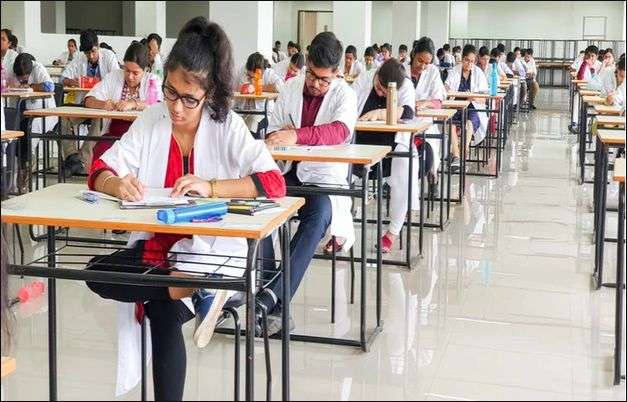
The Union Cabinet in September 2025 approved the addition of 10,023 medical seats across government institutions in the country, including 5,023 undergraduate MBBS seats and 5,000 postgraduate (PG) seats. The move comes under Phase III of the Centrally Sponsored Scheme (CSS) and is aimed at expanding India’s medical education and healthcare infrastructure.
According to officials, the decision has been taken to meet the rising demand for healthcare professionals and to strengthen the doctor-patient ratio in line with World Health Organization (WHO) recommendations. The expansion of MBBS and PG seats is expected to ensure a steady supply of qualified doctors and specialists, particularly in underserved regions of the country.
The government emphasized that priority will be given to states with shortages in healthcare delivery and medical education facilities. Increasing postgraduate seats has been highlighted as a crucial step, given India’s shortage of specialists in key fields such as cardiology, oncology, anesthesiology, and other advanced medical disciplines.
The Union Health Ministry has described the expansion as a strategic investment in the country’s long-term healthcare infrastructure. Officials noted that the new seats would not only provide more opportunities for aspiring doctors but also help improve accessibility and affordability in medical education. With India’s population crossing 1.4 billion, the move is expected to significantly strengthen the medical workforce and bring the country closer to achieving the recommended doctor-patient ratio.
Medical experts and education analysts have welcomed the Cabinet’s approval, calling it a timely measure to address the growing demand for healthcare services. They noted that the availability of additional MBBS and PG seats will reduce the intense competition for limited government seats and lessen the financial burden on students who often resort to private or foreign medical education.
The Health Ministry is expected to release detailed guidelines in the coming months regarding the allocation of seats, infrastructure upgrades, and the timeline for implementation. State governments will play a crucial role in ensuring the swift rollout of the scheme, particularly in strengthening district-level medical colleges to accommodate the additional capacity.
The addition of 10,023 seats under CSS Phase III is seen as a major policy step toward improving healthcare delivery and building a self-sufficient medical education system in India. By expanding both undergraduate and postgraduate opportunities, the government aims to bridge the gap in healthcare accessibility and create a stronger, more resilient medical workforce for the future.