
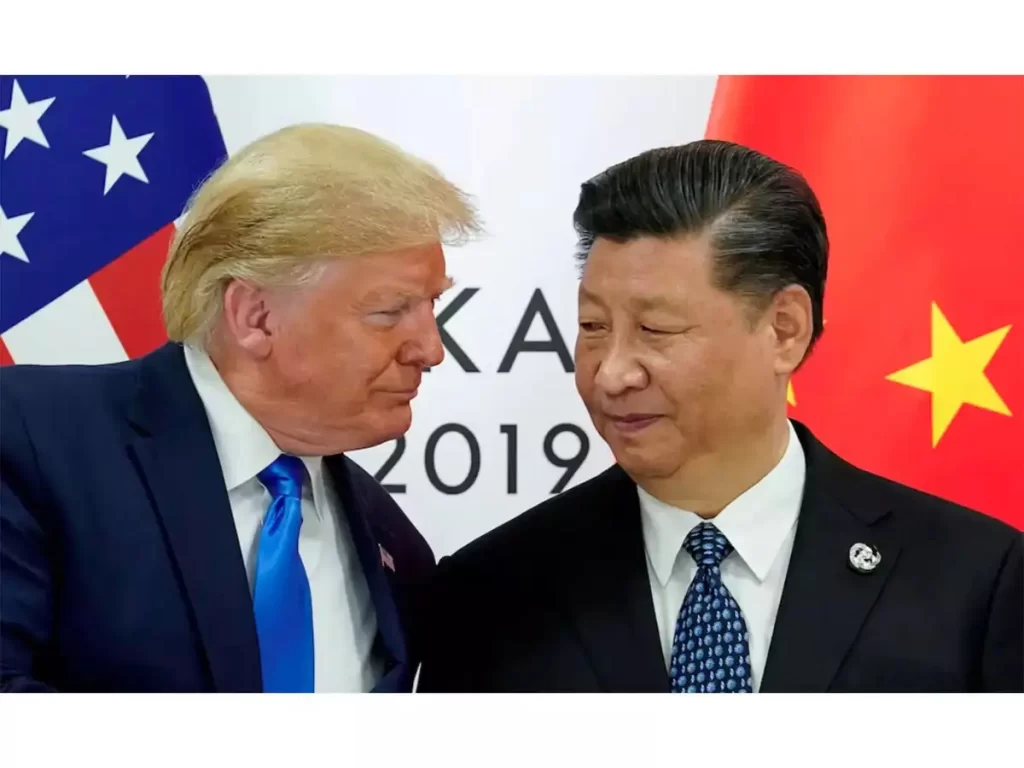
In a significant pivot in global economic diplomacy, Donald Trump and Xi Jinping reached a landmark trade agreement on the sidelines of the APEC 2025 Summit in South Korea, with the United States agreeing to reduce tariffs on Chinese imports and China committing to increased purchases of US agricultural goods and to maintain rare-earth exports. The accord signals an easing of the prolonged US-China trade war and underscores both powers’ recognition of the global economic ripple effects from their rivalry.
The agreement, reached during the bilateral meeting in Busan, obliges the United States to trim the tariff rate on Chinese goods from 57 per cent to 47 per cent. Among the major concessions, tariffs tied to fentanyl-precursor goods will be halved from 20 per cent to 10 per cent. On the Chinese side, Beijing pledged to resume large-scale soybean purchases from the US and to keep export flows of rare earth minerals unimpeded for at least a year. These measures come amid heightened global concern over supply-chain disruptions, technological competition and regional geopolitical tensions.
Crucially, the deal also highlights a broader strategic shift: Xi Jinping used the APEC platform to frame China as a defender of multilateral trade and global economic stability, repositioning Beijing’s economic diplomacy. At the same time, analysts caution that while the agreement reduces immediate economic friction, it remains a “truce” rather than a comprehensive resolution — major issues such as high-end technology restrictions, export controls and geopolitical rivalry remain unaddressed.
From Washington’s perspective, the trade deal offers much-needed relief as US agriculture and manufacturing sectors have been under pressure from retaliatory tariffs and uncertainty. For Beijing, the deal buys time and breathing space as it navigates competing priorities in its domestic economy and regional ambitions. The bilateral accord also underscores the growing importance of the Asia-Pacific economic architecture, with the APEC summit serving as both mediator and stage for recalibrated great-power engagement.
The US–China trade truce reached at APEC is a momentous step toward stabilising relations between the world’s two largest economies. It paves the way for expanded agricultural trade, eases tensions over rare-earth exports and signals a potential thaw in commercial hostilities. But beneath the surface, core issues — from semiconductor access and export controls to strategic competition in the Indo-Pacific — remain unresolved. As both sides now turn toward implementation, the global community will watch closely whether this accord marks a new era of cooperation or merely a pause in an enduring rivalry.

