
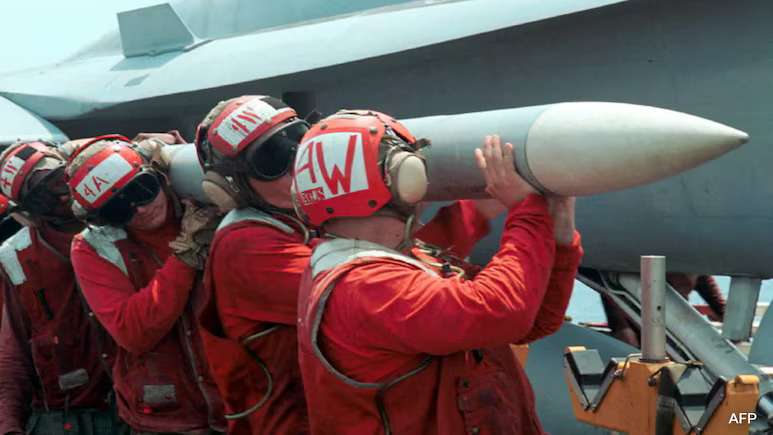
In a significant development reshaping South Asian defense dynamics, the United States has approved the sale of AIM-120 Advanced Medium-Range Air-to-Air Missiles (AMRAAM) to Pakistan. This move, part of a multi-billion-dollar defense contract, signals a strengthening of U.S.-Pakistan defense relations and has sparked strategic concerns for India regarding regional security balance.
Background of the Deal:
The U.S. Department of Defense has confirmed Pakistan as a recipient of the AIM-120 AMRAAM missiles, which are designed to integrate with the country’s existing fleet of F-16 fighter jets. These missiles provide advanced beyond-visual-range capabilities, significantly enhancing the operational reach and lethality of Pakistan’s air force. The delivery of these missiles is scheduled over the next several years, reflecting long-term defense planning between the two nations.
Strategic Implications for India:
Defense analysts in India have expressed apprehension over how this missile sale could influence the regional security equilibrium. The AIM-120 AMRAAM is considered one of the most advanced air-to-air missiles in the world, and its deployment in Pakistan’s air force could alter the tactical calculations of aerial engagements in the region. While India possesses its own beyond-visual-range missile, the Astra, developed by the Defence Research and Development Organisation (DRDO), the presence of AMRAAMs in Pakistan introduces a new dimension to aerial deterrence and defense preparedness.
Political Reactions in India:
The missile sale has triggered political debate within India. Critics have questioned whether the government’s foreign policy is adequately addressing the security implications posed by the U.S.-Pakistan defense partnership. Parliamentary discussions have emphasized the need for India to continue strengthening its indigenous defense capabilities to maintain a strategic edge in the region.
Regional Security Considerations:
Beyond India-Pakistan dynamics, this development underscores broader South Asian defense trends, including the modernization of air forces and the pursuit of advanced missile technologies. Experts suggest that while the immediate operational impact on India may be manageable, the long-term strategic environment will require careful monitoring, particularly in terms of aerial combat readiness and regional deterrence frameworks.
Conclusion:
The U.S. approval to supply AIM-120 AMRAAM missiles to Pakistan marks a notable shift in South Asia’s defense landscape. While India continues to focus on indigenous systems like the Astra missile, the introduction of advanced American missiles into Pakistan’s arsenal highlights the evolving nature of regional security. This development reinforces the importance of strategic vigilance, defense modernization, and diplomatic engagement to preserve balance and stability in South Asia.

