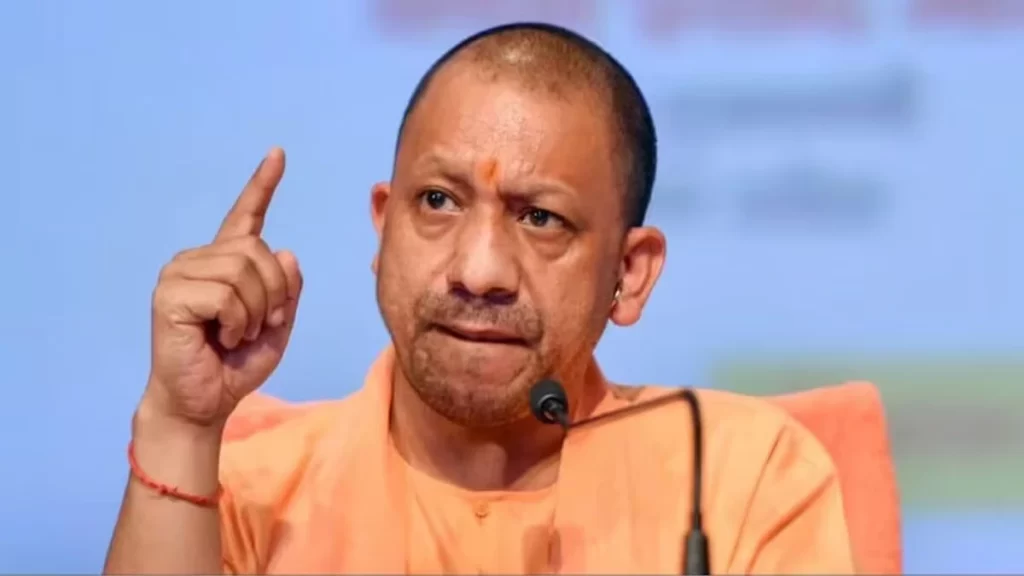
Uttar Pradesh Chief Minister Yogi Adityanath has directed all district magistrates to initiate a state-wide crackdown on “infiltrators” and “illegal immigrants,” ordering the establishment of temporary detention centres in every district. The directive marks one of the most extensive immigration-related enforcement drives undertaken in the state in recent years.
According to the instructions issued, district administrations must conduct a comprehensive identification drive to locate foreign nationals residing illegally within their jurisdictions. Those identified will be detained in newly set-up district-level centres until the completion of a formal verification process. Individuals confirmed to be staying illegally may subsequently face deportation following prescribed legal protocols.
The Chief Minister emphasised that national security, law and order, and social harmony remain top priorities for the government. He stressed that no individual violating immigration laws will be allowed to remain unchecked and that authorities must respond with “swift and stringent action.”
Key Components of the Enforcement Drive
- State-wide Identification: District magistrates have been ordered to verify the presence of foreign nationals and flag individuals suspected of illegal stay.
- Detention Infrastructure: Every district will establish a temporary detention centre to house detainees during the verification period.
- Verification Protocols: Detainees’ nationality and legal status will be verified through official documentation and cross-checks with relevant records.
- Legal Action and Deportation: Foreign nationals found to be staying illegally will be deported through established diplomatic and legal channels.
Political, Administrative, and Social Implications
The directive comes at a time when immigration-related concerns are prominent in political discourse, and debates over demographic records and electoral integrity have intensified. Supporters of the move argue that it strengthens internal security, deters unlawful settlement, and ensures the proper enforcement of immigration norms.
However, critics have raised concerns regarding possible human rights implications. Questions have emerged about the criteria used to identify “infiltrators,” the potential for misuse of authority, and the need to ensure due process for all detainees. Civil liberties groups have warned that such a large-scale initiative must be carried out with transparency and strict adherence to legal safeguards.
Administratively, the operation poses several challenges:
- Infrastructure and Resources: Setting up detention facilities across all 75 districts will require substantial logistical planning, funding, and manpower.
- Legal Sensitivity: Ensuring the protection of detainees’ rights during verification and deportation is critical to prevent legal disputes.
- Community Impact: The move may heighten social tensions if particular communities feel disproportionately scrutinised.