Vitamin C, scientifically known as ascorbic acid, is one of the most vital nutrients for maintaining overall health, particularly skin health. Renowned for its antioxidant properties, Vitamin C plays a crucial role in collagen synthesis and helps in reducing dark spots, promoting a youthful and radiant complexion. As consumers increasingly prioritize skincare backed by science, the importance of Vitamin C continues to dominate both nutritional and cosmetic industries.
Collagen, a structural protein responsible for the skin’s firmness and elasticity, naturally declines with age. Vitamin C stimulates the enzymes involved in collagen formation, thereby enhancing the skin’s strength and smoothness. This makes it a key ingredient in anti-aging treatments and supplements. According to dermatologists, incorporating Vitamin C—either through diet or topical serums—can significantly improve skin texture and reduce signs of aging such as wrinkles and sagging.
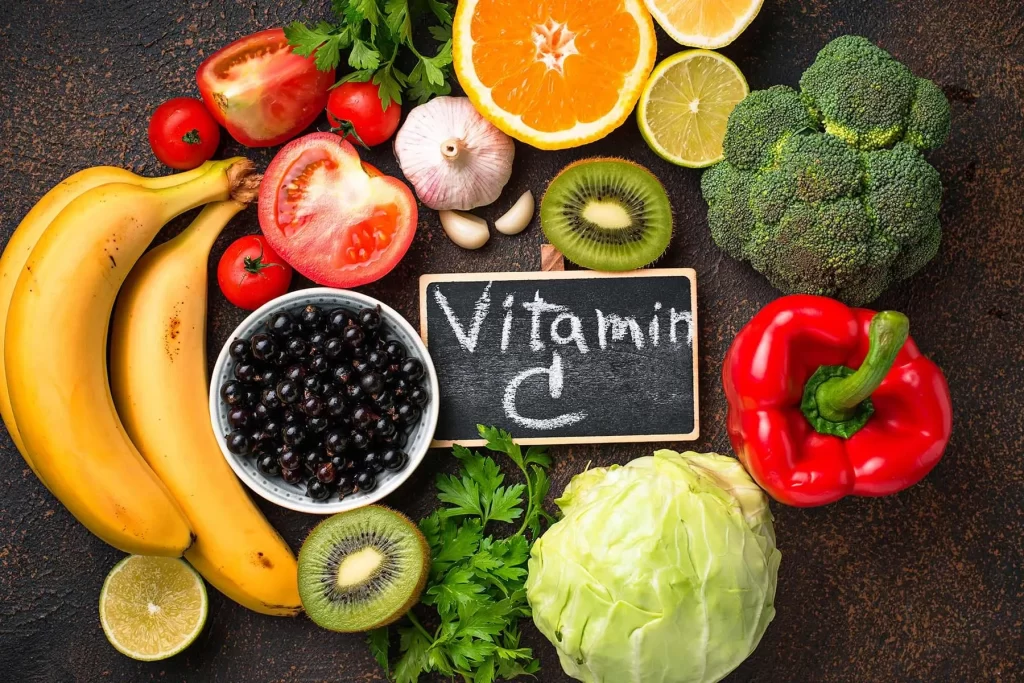
Moreover, Vitamin C is a powerful antioxidant that protects the skin from free radical damage caused by UV radiation and pollution. Free radicals accelerate the breakdown of collagen, leading to dullness and premature aging. By neutralizing these harmful molecules, Vitamin C helps preserve the skin’s natural barrier and repair damaged tissues. Regular intake of Vitamin C-rich foods like oranges, kiwi, amla, and bell peppers, or the use of Vitamin C serums, ensures that the skin remains firm and resilient.
Another significant benefit of Vitamin C lies in its ability to fade dark spots and even out skin tone. Hyperpigmentation, often caused by sun exposure, hormonal changes, or acne scars, occurs due to excess melanin production. Vitamin C inhibits the enzyme tyrosinase, which is responsible for melanin synthesis, leading to a visibly brighter and more balanced complexion. This depigmenting action makes it a preferred ingredient in many dermatological formulations aimed at treating uneven skin tone and pigmentation issues.
In addition to topical use, dietary consumption of Vitamin C contributes to the body’s natural healing process and strengthens immunity. It supports tissue repair, enhances iron absorption, and aids in wound healing. Experts suggest that a combination of topical application and oral intake yields the most effective results for both skin and overall health.
With the global skincare market embracing science-driven ingredients, Vitamin C has become synonymous with radiance and rejuvenation. Consumers are now more aware of its dual benefits—internal nourishment and external enhancement—making it one of the most sought-after components in modern skincare routines.
In conclusion, Vitamin C serves as a cornerstone for maintaining youthful, glowing skin. Its multifaceted benefits—from boosting collagen to fading dark spots—underscore its irreplaceable role in skincare and nutrition. As research continues to highlight its effectiveness, Vitamin C remains not just a vitamin but a vital elixir for healthy, luminous skin.