
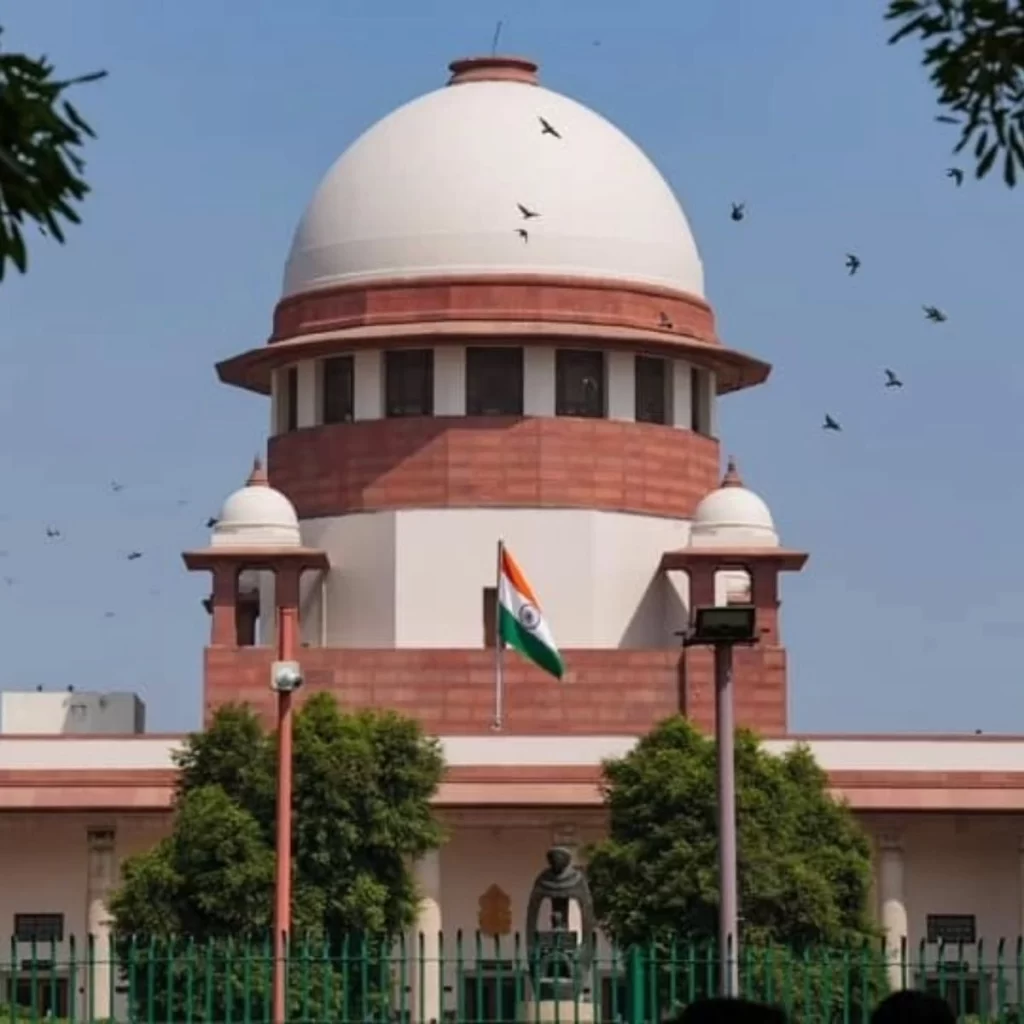
Article 21 of the Indian Constitution makes menstruation health a basic right. This implies that schools have to give out free sanitary items, keep the restrooms clean, and plan events to raise awareness. This landmark decision removes long-standing hurdles to females’ education and has effects on the workplace and gender equality in general.
The Important Choice
The Supreme Court said that schools should provide access to menstrual hygiene management (MHM) as part of the right to life, dignity, bodily autonomy, privacy, and equality under Articles 14, 21, and 21A of the Constitution. The bench made it apparent that girls’ right to education is violated by bad facilities under the Right of Children to Free and Compulsory Education Act, 2009. This makes menstruation a problem instead than a normal part of life.
The choice was taken because of concerns about things like period-shaming in schools, such as the case at Maharshi Dayanand University when women had to submit images of their periods. It told the Union government, states, and Union Territories to all follow the national Menstrual Hygiene Policy in the same way. In other words, all schools from Class 6 to 12 had to give out free biodegradable sanitary napkins, provide working toilets for boys and girls, safe ways to get rid of trash, and educational programs.
This is not just a suggestion; it’s something that the law says authorities have to do.
Schools are having trouble right now
Teenage girls in India miss school and drop out of school a lot because of menstrual health difficulties. One in five females quits school because they can’t go to school or don’t have access to sanitary equipment. Before they start their periods, 71% of girls don’t know what menstruation is. Surveys suggest that 23% of females in rural regions leave school after their first menstruation. Bad infrastructure, like not having adequate bathrooms and trash cans, makes this worse.
Only 29% of girls who use disposable pads in regular government schools say they know how to get rid of them. That number goes up to 55% in model schools that are paid for by NGOs. Eleven percent of girls in regular schools and six percent of girls in better-equipped schools miss school. Most of the time, it’s due of pain, stains, or shame. 3,69,461 schools and 3,13,255 anganwadis have signed up for national programs, but there are still problems with how they are being carried out, and stigma and dirty habits are still common.
Key data demonstrate how bad things are: 23% of rural girls drop out of school after their first period, 71% didn’t know about it before, 11% are not in school, and 77% of rural women aged 15 to 24 use sanitary products, up from 58% in 2015-16. These numbers suggest that not taking care of your period makes it tougher to go to school.
School Instructions
The Court told schools to make their buildings more pleasant for pupils who were on their periods and set stringent deadlines for them to do so. Governments should give out free sanitary pads, build clean, gender-segregated bathrooms with running water and garbage cans, and make sure that learning is a part of the school day. Private schools are just as responsible, and the decision places real equality ahead of just legal rules.
The Scheme for Promotion of Menstrual Hygiene among Adolescent Girls is one of the programs that is already in place that will be used to do this. The bench made it apparent that help initiatives aren’t enough on their own; they need to be done the same manner by everyone. This made the state do something good.
What this implies for jobs
The decision is largely about schools, but it also talks about dignity and Article 21, which also applies to workplaces since women’s menstrual health affects their capacity to work. Right now, India doesn’t have a national policy on taking time off for periods. Previous demands were rejected down because they would have made it tougher for people to find jobs. Instead, courts asked for frameworks driven by the government. There are precedents in Sikkim High Court decisions and Karnataka’s laws, but there are still concerns all over the country, especially in the construction and gig economies.
Experts claim that stronger MHM infrastructure will make it simpler for more individuals to join the labor because workers in the informal sector are more affected by bad facilities. This choice might lead to workplace rules that mandate clean vending machines and garbage cans, as well as efforts to raise awareness. The Draft National Menstrual Hygiene Policy 2023 would agree with all of these. It transforms how people think about menstruation from something that is not talked about to something that is a health right. This could help men and women get along better at work.
Expert Opinions and Reactions
Health experts argue that the ruling is a big step toward schooling that is devoid of shame and full of respect. Dr. Ishwar Gilada advocated for swift action, shared responsibility, vending machines for condoms and other items, and safe ways to get rid of them. Activists see it as a huge step in breaking down taboos and getting more sexual health education.
Gynecologists claim that it could help stop problems in the reproductive tract caused by poor hygiene, while teachers say that following the rules would lead to a substantial drop in absences. Policy experts agree that we need strong systems of accountability to make policy talks lead to real change. The answers reveal that it plays an important role in promoting gender justice through work from many different sectors.
More affects on people
This decision goes against long-held beliefs about menstruation and promotes equality and freedom of movement. It establishes a standard for future claims for reproductive health by tying MHM to basic rights in the Constitution. Helping schools keep more students could help bridge the difference between males and girls in jobs and literacy, which would be good for the economy.
The constitution gives government programs like Udita Yojana and Shuchi Scheme additional power currently. This will undoubtedly make it easier to find clean things. In places like Pune and Maharashtra, where local surveys show fewer absences, the ruling supports efforts that are already being made on a national level.

