
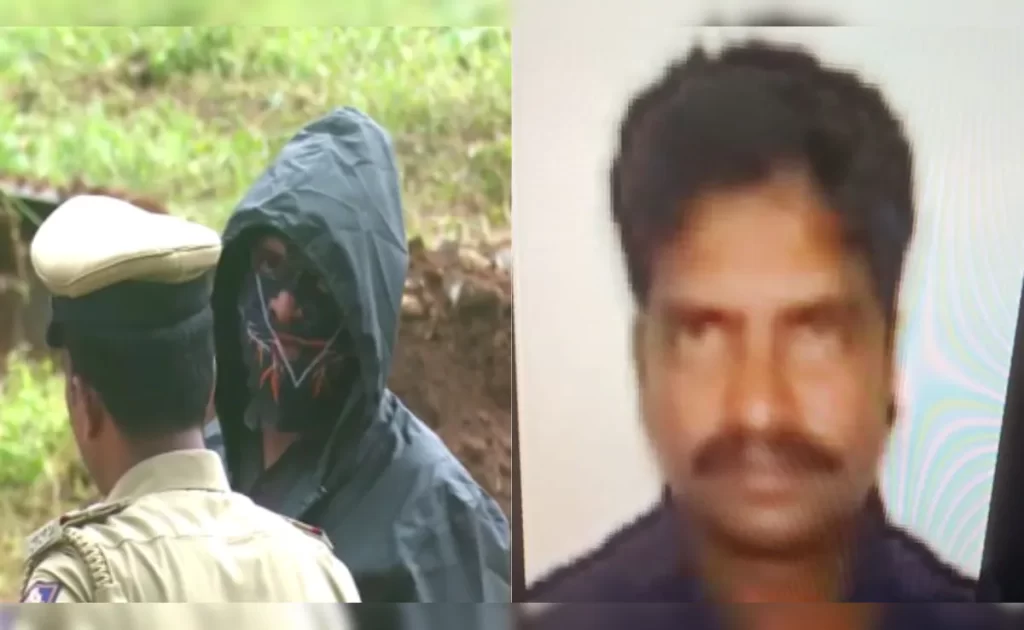
August 23,2025 – The Karnataka Police have arrested a whistleblower who earlier alleged the discovery of mass burials in Dharmasthala, following revelations that the evidence he presented was fabricated. The case, which stirred public concern over the past weeks, has now been declared by authorities as based on false information.
According to officials, the individual in question had claimed that multiple skeletons were unearthed in the Dharmasthala region. The whistleblower submitted a human skull as evidence to support the allegation. However, forensic examination revealed that the skull was not authentic. Investigators confirmed that only a single male skeleton was found at the site, contradicting the original claims of mass burials.
Dakshina Kannada Superintendent of Police (SP) Rishikesh Sonawane stated that the arrest was made after a detailed inquiry. “The claims of mass graves have been proven false. The skull produced as proof was not genuine. Our investigation has confirmed the presence of only one male skeleton,” he said. The police added that the whistleblower has been charged with providing misleading information and creating unnecessary public alarm.
The allegations of mass burials in Dharmasthala had sparked widespread debate in Karnataka, drawing responses from local communities, rights activists, and political leaders. Questions were raised about human rights violations and the role of religious institutions in the matter. The development also led to demands for transparency and independent inquiry into the claims.
However, the latest findings by the police appear to have quelled fears of a larger conspiracy. Officials emphasized that misinformation of this nature can cause serious social unrest. “Spreading false claims without credible evidence undermines public trust and can damage the reputation of institutions and communities,” said a senior police officer.
Dharmasthala, a well-known pilgrimage center in Karnataka, had come under public scrutiny after the whistleblower’s accusations were widely reported in the media. Local authorities said the incident has caused distress among residents and devotees. Leaders of the Dharmasthala temple administration welcomed the clarification from the police, asserting that the allegations were baseless and malicious.
Legal experts note that the arrest underscores the seriousness with which law enforcement treats cases of fabricated evidence. Under the Indian Penal Code, furnishing false information to authorities can invite criminal charges, including imprisonment. Observers suggest that the episode highlights the need for responsible whistleblowing and the importance of credible documentation in such sensitive matters.
While the controversy is likely to fade with the police clarification, the incident has left a mark on the public discourse in Karnataka. Analysts point out that the episode reflects the dangers of misinformation in an age of instant communication, where unverified claims can quickly escalate into large-scale debates.
For now, police have confirmed that no evidence of mass burials exists in Dharmasthala. The investigation into the lone male skeleton discovered continues, but officials reiterated that no further suspicious findings have been made.

