The World Health Organization (WHO) and European health regulators have rejected claims made by United States President Donald Trump that prenatal use of paracetamol, also known as Tylenol, is linked to autism. Health authorities have stated that available scientific evidence does not support such an association and warned against spreading unverified information that could affect public health.
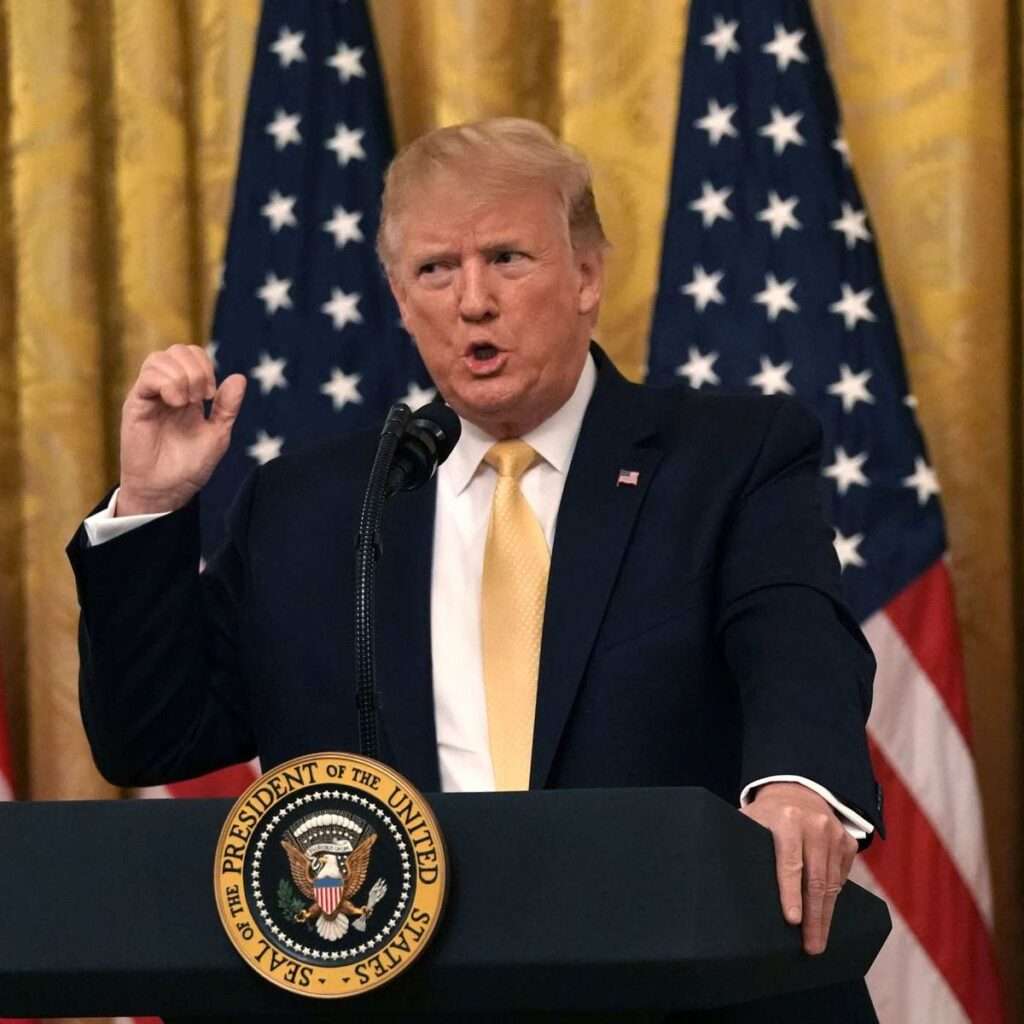
President Trump, speaking on September 22 alongside Health and Human Services Secretary Robert F. Kennedy Jr., urged pregnant women to avoid paracetamol and suggested that its use could increase the risk of autism. He also raised questions about the safety of vaccines in relation to autism. The remarks immediately sparked controversy, drawing criticism from international health agencies and medical experts.
The WHO clarified that existing research does not establish a causal link between acetaminophen exposure during pregnancy and neurodevelopmental disorders. A large Swedish study tracking more than 2.4 million pregnancies found no evidence of causation, reinforcing the consensus that paracetamol is safe when used responsibly during pregnancy. The European Medicines Agency (EMA) also reiterated that the drug can be taken safely by expectant mothers when used at the lowest effective dose for the shortest necessary duration.
Former WHO Chief Scientist Dr. Soumya Swaminathan stated that there is no proven scientific evidence to support Trump’s claim and that available studies remain inconsistent. She emphasized that misinformation on such issues could harm public trust in medical guidance.
Health experts have warned that discouraging the use of paracetamol without evidence could pose risks, as untreated fever and pain during pregnancy can endanger both the mother and the fetus. Authorities also expressed concern that Trump’s remarks about vaccines could fuel hesitancy, despite extensive research demonstrating that vaccines do not cause autism.
The WHO reaffirmed its position that both vaccines and paracetamol, when used appropriately, remain safe and essential components of healthcare. Regulators urged the public to rely on evidence-based medical advice and to avoid misinformation that could undermine maternal and child health.